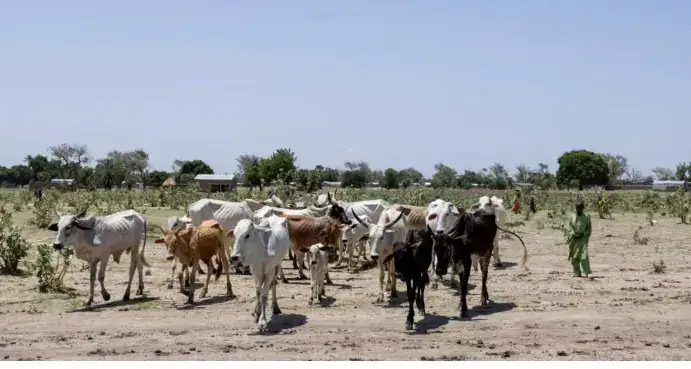
A violent conflict broke out in the southwestern region of Chad, resulting in the deaths of at least 25 people and injuring 22 others. The clashes occurred between herders from the Kreda community and farmers from the Kouka community. The incident began when a herder went to a pond in the Koula area to water his livestock, leading to a dispute with a local farmer. The situation escalated quickly, with the herder firing his weapon and sparking a shootout between the two groups.
The injured individuals were transported to Ngoura Hospital for treatment. This type of intercommunal conflict is not new to Chad, but it has become increasingly deadly. Experts point to the circulation of weapons as a major factor contributing to the escalation of these conflicts. According to Dr. Yamingué Betinbaye, a political scientist specializing in Chadian conflicts, the possession of war weapons by civilians gives them a sense of superiority and confidence during clashes.
Dr. Bourdjolbo Tchoubida, a political science doctor and Chadian specialist, notes that the connection between some herders and military circles also explains the proliferation of weapons. He states that some administrative and military authorities engage in livestock farming in remote areas, providing large quantities of cattle to herders who are then armed. This has contributed to the intensification of conflicts in the region.
The widespread use of mobile phones has also facilitated the rapid mobilization of communities during these conflicts. Relatives can converge on the scene of the clash from localities up to 100 kilometers away, using motorbikes to participate in the violence. The situation was brought under control thanks to the intervention of security forces, who have arrested 39 people and transferred them to N'Djamena for further judicial proceedings.
A government delegation, led by several ministers, visited the area on October 31 to assess the situation. However, experts believe that sporadic state interventions are insufficient to curb these violent incidents in the long term. A national strategy is required to address the root causes of the conflicts. Dr. Yamingué Betinbaye suggests that involving institutions like the Médiature de la République could help develop a comprehensive plan to tackle the issue.
The scarcity of natural resources, particularly water, has exacerbated tensions between herders and farmers in the region. This year's deficit in precipitation has reduced available water reserves, intensifying competition for this vital resource. The clashes serve as a stark reminder of the need for sustainable solutions to manage natural resources and prevent future conflicts.
The Chadian government faces a significant challenge in addressing the underlying causes of these intercommunal conflicts. With the situation currently under control, authorities must now focus on implementing effective measures to prevent similar incidents in the future. The involvement of experts and institutions will be crucial in developing a comprehensive strategy to address the complex issues driving these conflicts.
Key points
- At least 25 people killed and 22 injured in clashes between herders and farmers in southwestern Chad.
- Experts blame the circulation of weapons and connections between herders and military circles for the escalation of conflicts.
- A national strategy is required to address the root causes of intercommunal conflicts in Chad.