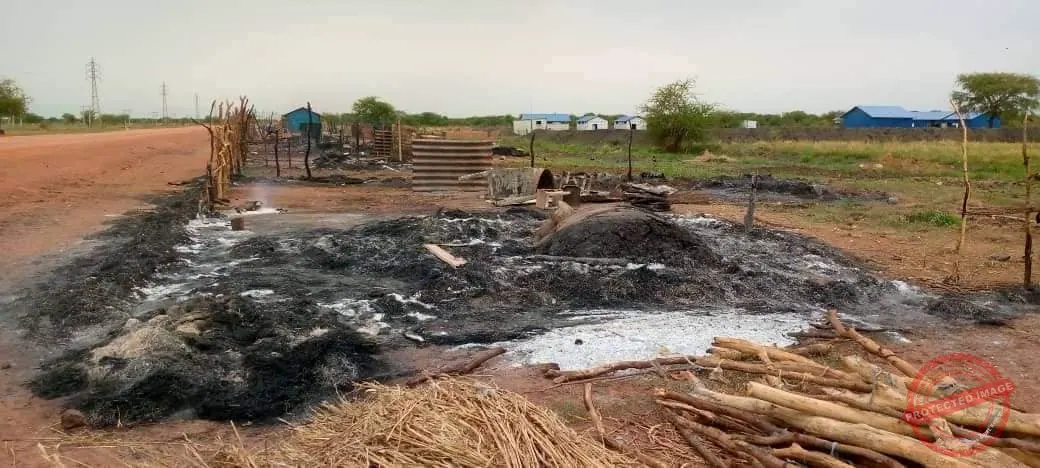
The National Civil Society Coalition in South Sudan has urged caretaker governors and chief administrators to prioritize efforts to address intercommunal conflicts through dialogue and peaceful resolution mechanisms. Recent deadly clashes in several states and administrative areas have contributed to growing instability. The coalition's chairperson, Bol Deng Bol, emphasized the need for leaders to take the lead in resolving communal conflicts in their respective areas.
The coalition cited easy access to and widespread availability of firearms among civilians, long-standing unresolved communal tensions, widespread hunger, and youth unemployment as factors contributing to the violence. Bol Deng Bol noted that most conflicts have persisted due to the availability of arms and unaddressed underlying communal conflicts. The coalition warned that continued communal conflicts could undermine South Sudan's preparations for a democratic transition if underlying issues are not addressed.
Recent communal conflicts have been reported in Rubek Town in Lakes State, Jonglei State, Unity State, Ruweng Administrative Area, Warrap State, Abyei Administrative Area, and Upper Nile State. The National Civil Society Coalition attributed the persistence of these conflicts to the easy access to firearms and long-standing unresolved communal tensions. The coalition is calling on state and administrative area leaders to take urgent action to prevent further violence and promote peace in their communities.
The National Civil Society Coalition also urged the national government to support the deployment of organized security forces where necessary. Bol Deng Bol emphasized that caretaker governors and chief administrators should prioritize addressing communal conflicts across the country. The coalition noted that an increase in communal conflicts has been observed over the past three months, with most conflicts turning violent.
The widespread availability of firearms among civilians is a major concern for the National Civil Society Coalition. The coalition believes that this has contributed to the persistence of communal conflicts in South Sudan. The coalition is calling on leaders to address the root causes of these conflicts, including long-standing unresolved communal tensions, widespread hunger, and youth unemployment.
The National Civil Society Coalition's call to action comes as South Sudan prepares for a democratic transition. The coalition warned that continued communal conflicts could undermine this process if underlying issues are not addressed. The coalition is urging state and administrative area leaders to take urgent action to prevent further violence and promote peace in their communities.
The situation in South Sudan remains volatile, with communal conflicts continuing to affect several states and administrative areas. The National Civil Society Coalition's efforts to address these conflicts are ongoing, with the coalition working to promote peace and stability in the country.
Key points
- The National Civil Society Coalition urges caretaker governors and chief administrators to prioritize dialogue and peaceful resolution to address rising communal conflicts in South Sudan.
- Easy access to firearms and long-standing unresolved communal tensions are cited as major factors contributing to the persistence of communal conflicts in South Sudan.
- The coalition warns that continued communal conflicts could undermine South Sudan's preparations for a democratic transition if underlying issues are not addressed.