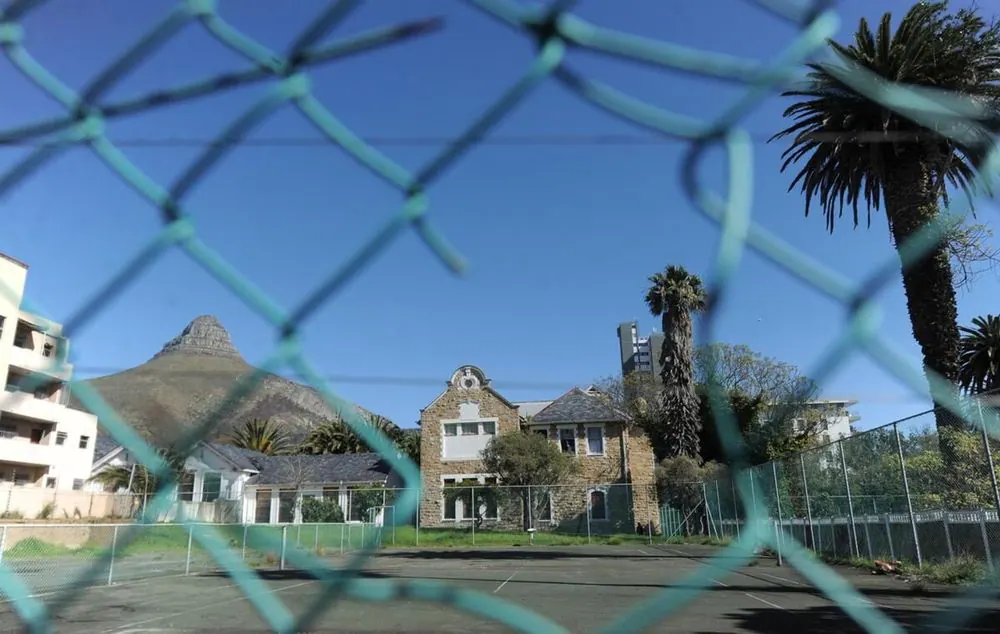
The City of Cape Town has submitted a report to the Western Cape High Court, defending its housing record and claiming it has made significant progress in facilitating and supporting the realisation of affordable and social housing in Cape Town, including the CBD. The report was filed in compliance with a court order in the Tafelberg matter. The City blamed fiscal constraints and stated that the funding of state-subsidised housing was primarily the responsibility of the national government.
Mayor Geordin Hill-Lewis submitted a 66-page affidavit supplementing the City's 118-page report, stating that any assessment of the City's reasonable compliance with constitutional obligations should consider the full additional fiscal, legislative, and context in which municipalities function. He expressed confidence that the City is not in breach of its obligations and highlighted substantial progress made in recent years in pursuit of the constitutional imperative to contribute to access to adequate housing in Cape Town.
The City claimed it has progressively strengthened the policy, spatial planning, institutional, and implementation framework to support affordable and social housing. It released 14 parcels of City-owned land, including six in the CBD, yielding approximately 7,000 residential units, including 4,000 affordable housing units and 2,500 social housing units. An additional 39 parcels of City-owned land are being packaged or released, which could yield around 40,000 residential units.
However, GOOD Party secretary-general and mayoral candidate Brett Herron criticised the reports filed by Premier Alan Winde and Hill-Lewis, stating that neither government has completed a single affordable housing project in Cape Town's CBD, Salt River, Woodstock, Observatory, or Sea Point, despite nine years of litigation. Herron said both Winde and Hill-Lewis attributed their lack of delivery to insufficient national funding.
The Constitutional Court previously found that the City and the Western Cape government failed to comply with their constitutional obligation to redress spatial injustice by enabling citizens to access land on an equitable basis. The court ordered the City and provincial government to submit current policies and programmes for providing affordable housing in the CBD. The City said it has undertaken longer-term land and project pipeline planning aligned to projected housing demand and its spatial planning frameworks.
Hill-Lewis noted that the City has not received substantial support to realise its housing obligations, citing enormous budgetary constraints due to the grant funding model. He stated that funds available for human settlements have been shrinking. In 2022, he directed the City to embark on land release for affordable housing programmes as a mayoral priority, including the utilisation of a municipal-owned leased golf course for future mixed-use development.
With the reports now submitted, Ndifuna Ukwazi and Reclaim the City will file their affidavits within three weeks, and both the province and the City will have an opportunity to file replying affidavits within two weeks before any party may request the court to enrol the matter for hearing. The City's report highlights its efforts to address housing challenges, but critics argue more needs to be done to address the backlog.
Key points
- The City of Cape Town has made progress in releasing City-owned land for affordable housing, yielding approximately 7,000 residential units.
- The City and provincial government were ordered to submit policies and programmes for providing affordable housing in the CBD.
- Critics argue that the City and provincial government have not done enough to address the housing backlog, despite nine years of litigation.