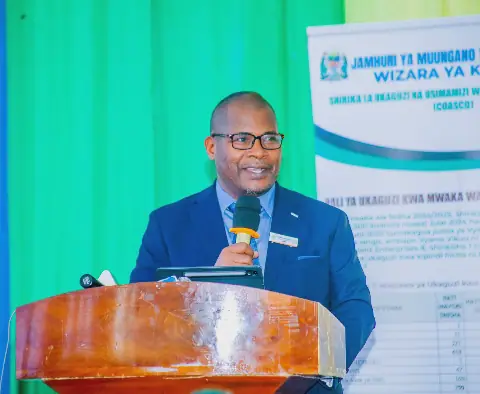
The Civil Society Legislative Advocacy Centre (CISLAC) has raised concerns that the growing commercialization of kidnapping for ransom in Nigeria is threatening the country's efforts to build peaceful communities. CISLAC Executive Director, Auwal Ibrahim Musa Rafsanjani, made this statement while presenting the 9th Nigeria SDG 16 Shadow Report at a United Nations General Assembly side event in New York on September 24, 2026. The report highlights insecurity, particularly kidnapping for ransom, as a major obstacle to Nigeria's progress on SDG 16, which focuses on peace, justice, and strong institutions.
According to CISLAC, the commercialization of kidnapping goes beyond individual security incidents, affecting freedom of movement, economic activity, human rights, and citizens' confidence in the state's ability to protect them. Rafsanjani emphasized that citizens cannot enjoy peaceful and inclusive societies when they cannot live, work, or travel without fear. The report, covering July 2025 to August 2026, identifies kidnapping for ransom as a significant threat to Nigeria's peace and stability.
The CISLAC report also exposes weaknesses in Nigeria's institutions, noting that weak enforcement, inconsistent implementation, and concerns over political interference continue to undermine institutions responsible for protecting citizens and enforcing the law. This has resulted in a governance and development crisis, with insecurity becoming a wider challenge for the country. The report highlights the need for strengthened institutions to effectively prevent, investigate, and prosecute security threats.
CISLAC's report raises concerns about the judiciary, security agencies, and electoral bodies, warning that institutional weaknesses could further erode public confidence. The organization emphasizes that security failures become more damaging when threats are not effectively prevented, investigated, and prosecuted. This has significant implications for Nigeria's progress on SDG 16 and its overall development.
The 9th Nigeria SDG 16 Shadow Report is a critical assessment of Nigeria's progress on SDG 16, which focuses on peace, justice, and strong institutions. The report highlights the need for Nigeria to strengthen its institutions and ensure effective implementation of laws and policies to protect citizens and promote peace. CISLAC's report is a call to action for the Nigerian government to address the growing commercialization of kidnapping and insecurity.
Auwal Ibrahim Musa Rafsanjani emphasized that the commercialization of kidnapping is a major obstacle to Nigeria's progress on SDG 16. He called for strengthened institutions and effective implementation of laws and policies to protect citizens and promote peace. CISLAC's report is a critical contribution to the global conversation on peace, justice, and strong institutions.
The CISLAC report's findings have significant implications for Nigeria's development and peacebuilding efforts. The organization will continue to advocate for strengthened institutions and effective implementation of laws and policies to protect citizens and promote peace. Key stakeholders, including government officials, civil society organizations, and international partners, are expected to engage with the report's findings and recommendations.
Key points
- Commercial kidnapping for ransom threatens Nigeria's peace and stability.
- Weak institutions and ineffective implementation of laws and policies undermine efforts to address insecurity.
- Strengthened institutions and effective implementation of laws and policies are critical to promoting peace and achieving SDG 16.