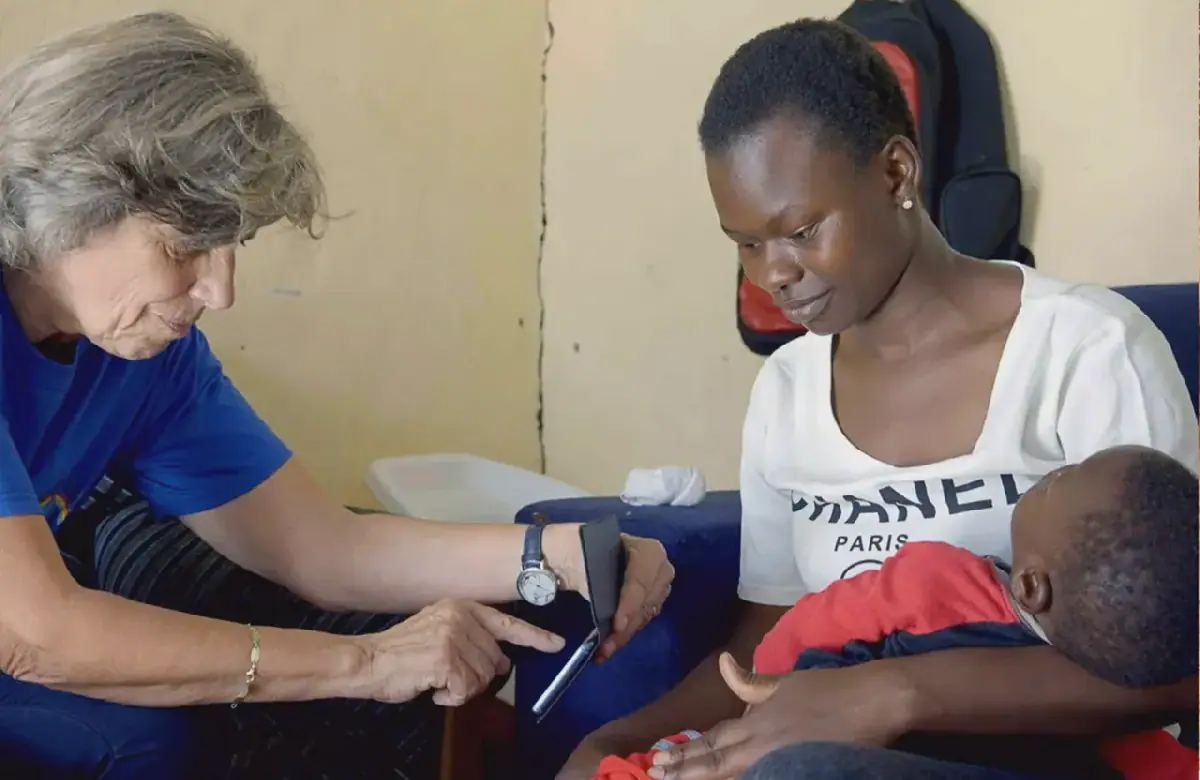
Circumcision is deeply ingrained in Togolese culture, with various communities attaching different meanings to the practice. In some African traditions, circumcision marks a symbolic transition to adulthood and integration into the community of men. According to Telli Kofi, a journalist and defender of African culture and traditions, circumcision has a deeply rooted initiatory dimension in African societies.
Religious convictions also shape perceptions of circumcision in Togo. In Muslim tradition, circumcision is associated with cleanliness and purity, often performed when the child is between five and six months old. Kasim Alassane Moumouni notes that Muslim families consider circumcision a means of purifying the child. In contrast, the Catholic tradition views circumcision as a sign of the alliance between God and Abraham, as described in the Book of Genesis.
The Catholic Church no longer considers circumcision an essential religious practice for Christians. Instead, the focus has shifted to baptism as a sign of the new alliance established through Jesus Christ. Today, many families in Togo view circumcision as a matter of hygiene rather than a religious obligation.
Medical professionals emphasize the importance of prioritizing the child's health and safety during circumcision. According to pediatrician and public health expert Abram Amétépé Agossou, the ideal age for circumcision is around three months, as recommended by the World Health Organization. He notes that performing the procedure before the child turns one year old has practical advantages.
Dr. Agossou stresses that infants can feel pain, and measures should be taken to prevent and alleviate it. These measures include limiting bleeding, protecting the wound with antiseptic dressing, and prescribing pain medication if necessary. The healing process typically takes about a week, and following medical instructions and attending follow-up consultations are crucial to prevent complications.
In Togolese families, the decision to circumcise a boy is often made early, with some parents considering the child's physical development to determine the optimal time for the procedure. A parent of three boys notes that if the child's genitalia are well-developed, circumcision can be performed as early as eight days old, while in other cases, it may be delayed until the child is two years old.
Ultimately, the circumcision of a child requires careful consideration of both traditional practices and medical recommendations. Parents must ensure that the procedure is performed in a sanitary environment by a qualified professional, with adequate pain management and follow-up care.
Key points
- The ideal age for circumcision is around three months, as recommended by the World Health Organization.
- Infants can feel pain during circumcision, and measures should be taken to prevent and alleviate it.
- Parents must prioritize their child's health and safety during circumcision, ensuring the procedure is performed in a sanitary environment by a qualified professional.