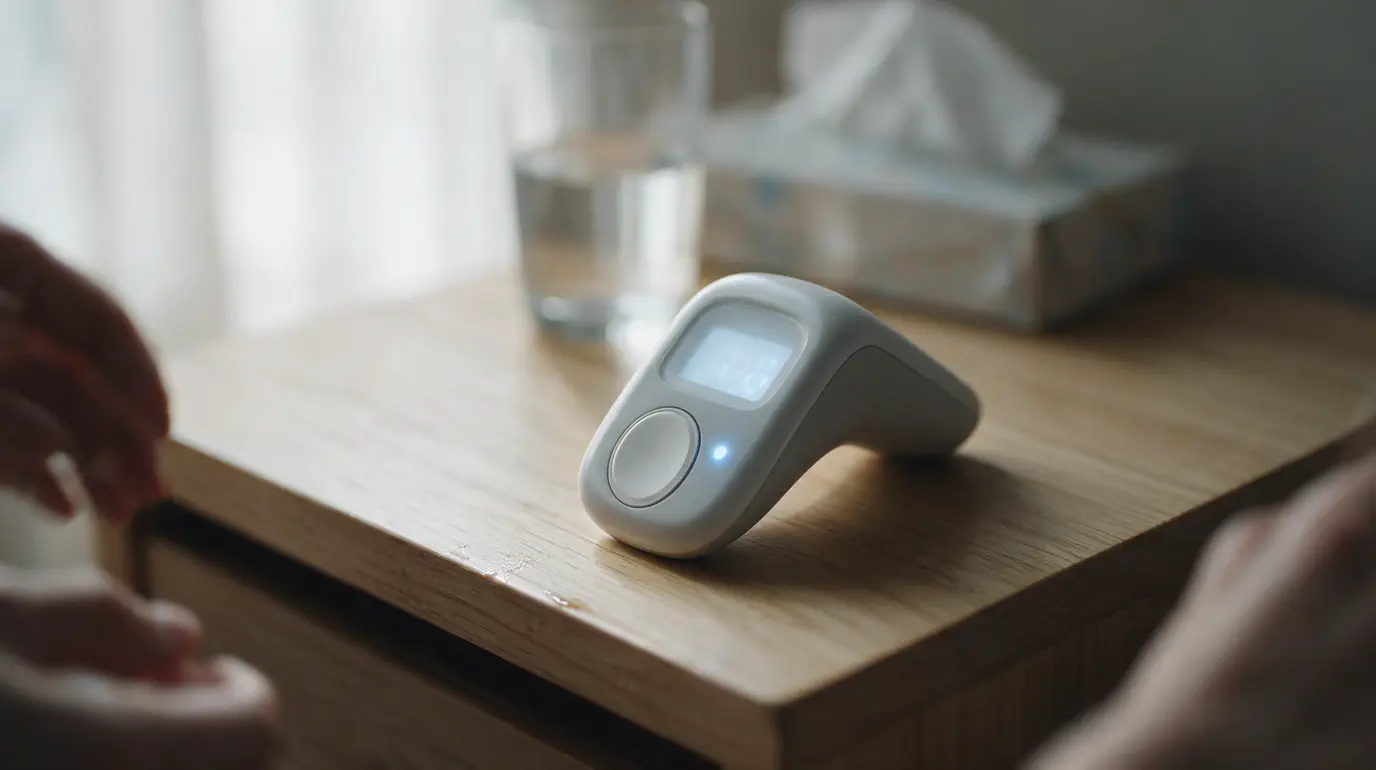
Smart thermometers have become increasingly popular for their ability to provide accurate and reliable temperature readings. These devices can transmit data to smartphones or tablets via Bluetooth or Wi-Fi, allowing users to track temperature trends and receive alerts. With various models available, it's essential to understand the key features that differentiate a good smart thermometer from a mediocre one.
There are several types of smart thermometers, each designed for specific uses. Some models are non-contact and ideal for quick readings, while others are designed for ear or body temperature measurements. Certain devices can even measure ambient temperature, making them useful for monitoring room comfort. The type of thermometer used often depends on the intended application, such as tracking temperature in infants or monitoring environmental conditions.
The mobile application plays a crucial role in the functionality of a smart thermometer. It allows users to view measurement history, set fever alerts, and share data with healthcare professionals. The app should also enable multiple profile tracking and automatic synchronization, making it easier to monitor temperature trends over time.
When selecting a smart thermometer, it's essential to evaluate its performance, application quality, and compatibility with existing devices. Key features to compare include measurement accuracy, display speed, sensor type, and configurable alerts. The thermometer should be compatible with both iOS and Android devices, as well as popular smart home systems like Google Home or Amazon Alexa.
In daily use, a smart thermometer offers a more streamlined and efficient way to take temperature readings. However, it's crucial to follow best practices to ensure accuracy and comfort. This includes proper sensor placement, keeping the application up-to-date, and maintaining a stable Bluetooth or Wi-Fi connection.
Smart thermometers can integrate seamlessly into daily health routines, providing regular temperature monitoring and alerting users to potential health issues. Some models can even send automatic alerts in case of fever or unusual temperature fluctuations. To maintain accuracy, it's essential to clean the sensor regularly, replace batteries as needed, and store the device properly.
Before purchasing a smart thermometer, several questions should be considered. These include the device's accuracy compared to traditional medical thermometers, data security, and the need for a constant connection. The cost of the device is also an important factor, with entry-level models available and more advanced versions offering additional features like continuous monitoring.
Key points
- What is a smart thermometer and how does it work?
- Criteria for choosing the best smart thermometer
- Smart thermometers in daily use