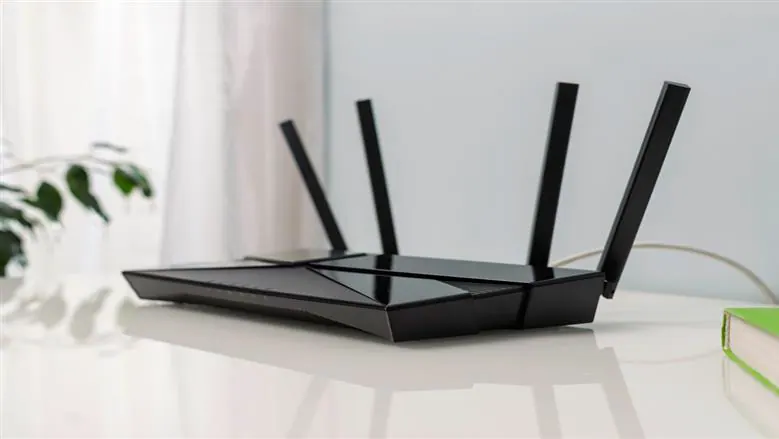
In Egypt, slow or unavailable landline internet services are driving individuals to explore alternative solutions, such as 4G or 5G routers. This approach, known as Fixed Wireless Access (FWA), utilizes a SIM card within a home router to provide internet access via mobile networks. According to a report by El Watan News, selecting the right router depends on various factors, including network coverage, the number of users, internet usage patterns, and data consumption.
The primary difference between 4G and 5G routers lies in their speeds and response times. A technical report by strong-eu indicates that 4G and 4G+ routers can offer suitable speeds for browsing, video streaming, and daily online activities, occasionally exceeding 100 Mbps in optimal network conditions. In contrast, 5G routers can provide significantly higher speeds and lower latency, making them more suitable for households with multiple devices, large file downloads, high-definition streaming, and online gaming.
One of the main advantages of opting for a 4G or 5G router is ease of use. Users can simply insert a compatible SIM card into the router and activate it, eliminating the need for landline installation or new cable connections. This solution is particularly appealing to renters or in areas with underdeveloped infrastructure. Additionally, it can serve as a backup internet connection when the primary service is disrupted.
Before purchasing a router, there are three crucial factors to consider. First, it is essential to assess the signal strength within the home, as external 5G coverage does not guarantee optimal performance inside, especially with thick walls or metal obstacles. Second, network congestion may impact performance, as cellular routers rely on communication towers that may experience slowdowns during peak usage times. Third, users must review data package details, as some mobile plans may have consumption limits or fair usage policies.
The choice between a 4G/5G router and traditional landline internet depends on individual circumstances. If a stable and fast fiber-optic connection is available, landline internet might be more suitable for heavy and consistent usage. However, for those with slow or unreliable landline connections, a 4G or 5G router can offer a quick and efficient alternative, provided there is good cellular coverage and a suitable data package.
Experts recommend testing network strength at the intended router location and comparing actual speeds and data costs with landline internet services before making a purchase. This ensures that users select the most appropriate and cost-effective solution for their internet needs.
As technology continues to evolve, the demand for reliable and fast internet access grows. With various options available, Egyptians can now make informed decisions about their internet connections, choosing between traditional landline services and innovative 4G or 5G router solutions.
Key points
- Choosing a 4G or 5G router involves considering network coverage, user count, and data consumption.
- 5G routers offer higher speeds and lower latency, making them suitable for heavy internet usage.
- Users must assess signal strength, network congestion, and data package details before purchasing a router.