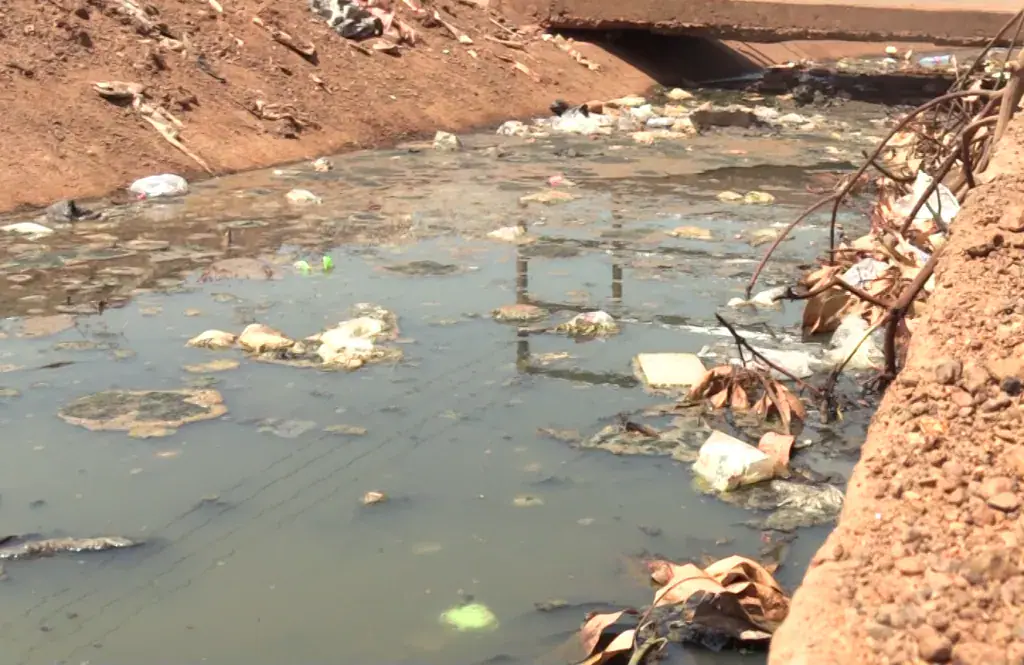
Residents of Nalung and Belpila in the Tamale South Constituency of Ghana are facing a looming health crisis due to a deteriorating drainage system that has become a breeding ground for diseases. The choked gutter, which connects the two communities, has become a dumping ground for solid waste, human excreta, and leftover food, sparking fears of a cholera outbreak. The situation is further exacerbated by the area's vulnerability to flooding during the rainy season.
The drainage system, constructed in 2008 as a temporary measure to accommodate resettled residents, has not undergone any major desilting or rehabilitation over the years. Despite several appeals and letters sent to the Northern Regional Department of Urban Roads and the Tamale Metropolitan Assembly, residents claim they have yet to receive a response. The lack of attention to the issue has left residents, especially children who play around the gutter and business owners, exposed to unbearable stench, stagnant water, and frequent flooding.
According to the United Nations, in 2024, 3.4 billion people lacked safely managed sanitation, and 1.7 billion lacked basic hygiene services at home. The situation in Nalung and Belpila reflects this global challenge, with residents calling for urgent action to address the sanitation crisis. Sustainable Development Goals six (SDGs) 6 emphasizes the importance of access to safe water, sanitation, and hygiene for health and well-being.
Residents have made efforts to desilt some portions of the gutter to improve water flow, with Alhassan Imoro, a resident, stating that community members have paid individuals to desilt portions of the gutter. However, the Assembly Member for the Dakpema Electoral Area, Yakubu Abdul Manan, notes that the situation has worsened partly due to residents' reluctance to participate in communal labour, with some believing that desilting exercises are now the responsibility of contractors engaged by the Assembly.
Shop owners and residents claim that the poor sanitation conditions are affecting their businesses, health, and general well-being. One shop owner alleged that traders pay between 100 and 150 Ghana cedis annually to the Assembly, but the drainage system remains unattended. The shop owner expressed frustration, stating that despite paying the required fees, the gutter has not been desilted in over three years, and the situation is driving customers away.
Mariama Mohamadu, a resident, highlighted the serious health risks posed by the situation, particularly during the rainy season when floodwaters sometimes enter bedrooms. She stated that the stench alone is unbearable, and during the dry season, the stagnant water creates a breeding ground for mosquitoes. Residents are appealing to the authorities to intervene before the situation deteriorates further.
The residents of Nalung and Belpila are demanding the reconstruction of the drainage system to protect their lives and properties. They are calling on the Tamale Metropolitan Assembly and the relevant authorities, such as the urban roads department, to urgently address the issue and avert a possible public health crisis.
Key points
- Residents of Nalung and Belpila are calling for urgent action to address a choked drainage system that threatens to trigger a cholera outbreak.
- The drainage system has not undergone any major desilting or rehabilitation over the years, despite several appeals to the authorities.
- The situation is affecting residents' businesses, health, and general well-being, with shop owners alleging that they pay annual fees to the Assembly but receive no attention to the issue.