The fight against cholera in the Democratic Republic of the Congo's Equateur province is encountering numerous difficulties. According to the provincial health division, the region is facing shortages of essential medical supplies, including chlorine and medication. The lack of adequate facilities and equipment is further complicated by strikes from healthcare workers demanding unpaid bonuses since the start of the epidemic. These challenges are affecting the ability to provide adequate care to patients.
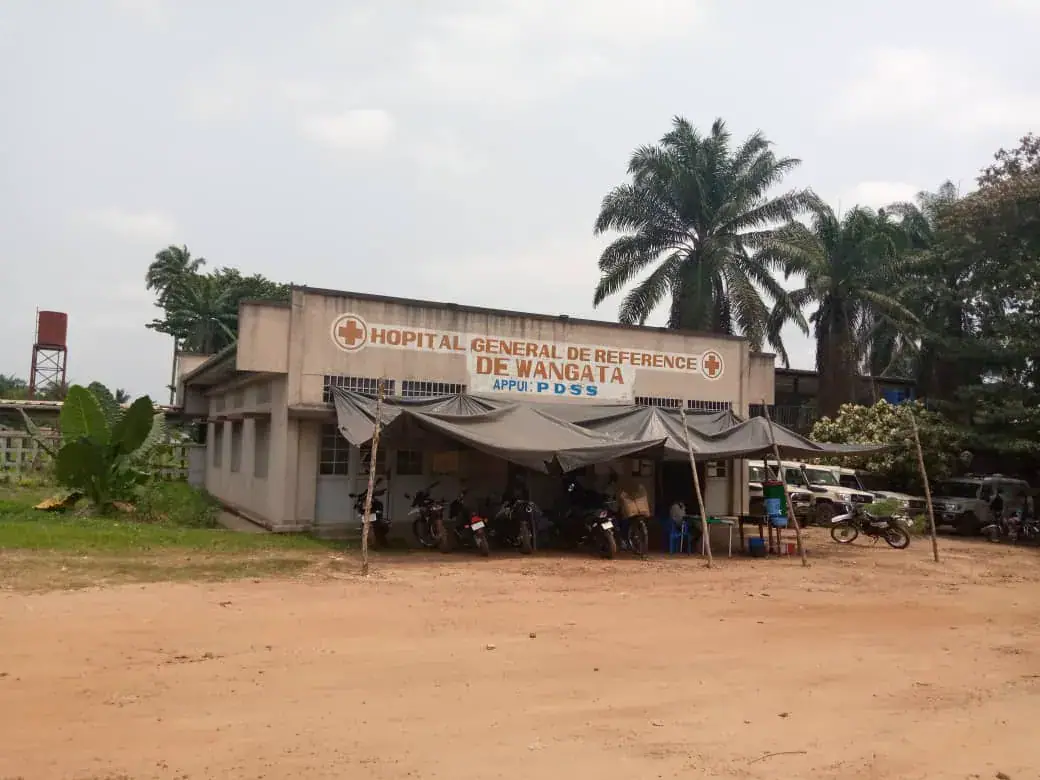
The Division Provinciale de la Santé (DPS) de l'Equateur released a bulletin on November 1, highlighting several insufficiencies that threaten response efforts. The report noted a shortage of chlorine and sampling kits, as well as a deficit of essential medications and other medical supplies. This shortage has resulted in increased pressure on treatment centers, such as those in Bolenge and Wangata, where capacity remains limited in the face of growing demand.
A nationwide strike by healthcare professionals, which began on October 15, has further exacerbated the situation. Healthcare workers are demanding better working conditions and payment of overdue bonuses. The strike has significantly impacted the functioning of healthcare facilities, making it even more challenging to respond to the cholera outbreak. The situation is dire, with 142 reported cases of cholera and 17 deaths, according to the DPS.
The healthcare system in Equateur province is struggling to cope with the surge in cholera cases. Treatment centers are overcrowded, and the lack of essential medical supplies is compromising patient care. The situation is particularly concerning in rural areas, where access to healthcare facilities is already limited. The provincial government and international organizations, such as UNICEF, have pledged support, but more needs to be done to address the crisis.
The response to the cholera outbreak requires a multi-faceted approach. The authorities are calling on the government and technical and financial partners to provide additional support. This includes increasing the availability of medical supplies and equipment, as well as providing financial support to healthcare workers. The situation requires urgent attention to prevent further spread of the disease and reduce the number of casualties.
The impact of the cholera outbreak extends beyond the healthcare sector. The economic and social consequences of the crisis are significant, with families and communities affected by the loss of loved ones and the disruption of economic activities. The provincial government and international organizations are working to provide support to affected families, but more needs to be done to mitigate the impact of the crisis.
The cholera outbreak in Equateur province serves as a reminder of the need for sustained investment in healthcare infrastructure and emergency preparedness. The authorities must work to strengthen the healthcare system, improve access to medical supplies and equipment, and enhance the capacity of healthcare workers to respond to emergencies. By doing so, the province can better respond to future outbreaks and reduce the risk of cholera and other diseases.
Key points
- The cholera outbreak in DR Congo's Equateur province has resulted in 142 reported cases and 17 deaths.
- The response to the outbreak is being hindered by shortages of medical supplies, staff strikes, and limited treatment center capacity.
- The authorities are calling for additional support from the government and international partners to address the crisis.