The Tanzanian road transport sector has witnessed a significant shift with the emergence of Chinese vehicles as a popular choice among operators. For decades, European brands such as Scandinavia Express, with its Scania buses, dominated the country's highways. These buses were synonymous with premium long-distance travel, offering air-conditioning, comfortable seats, and onboard toilets. However, many of these familiar names have disappeared, changed ownership, or lost prominence. The change is attributed to various factors, including the economics of the transport business.
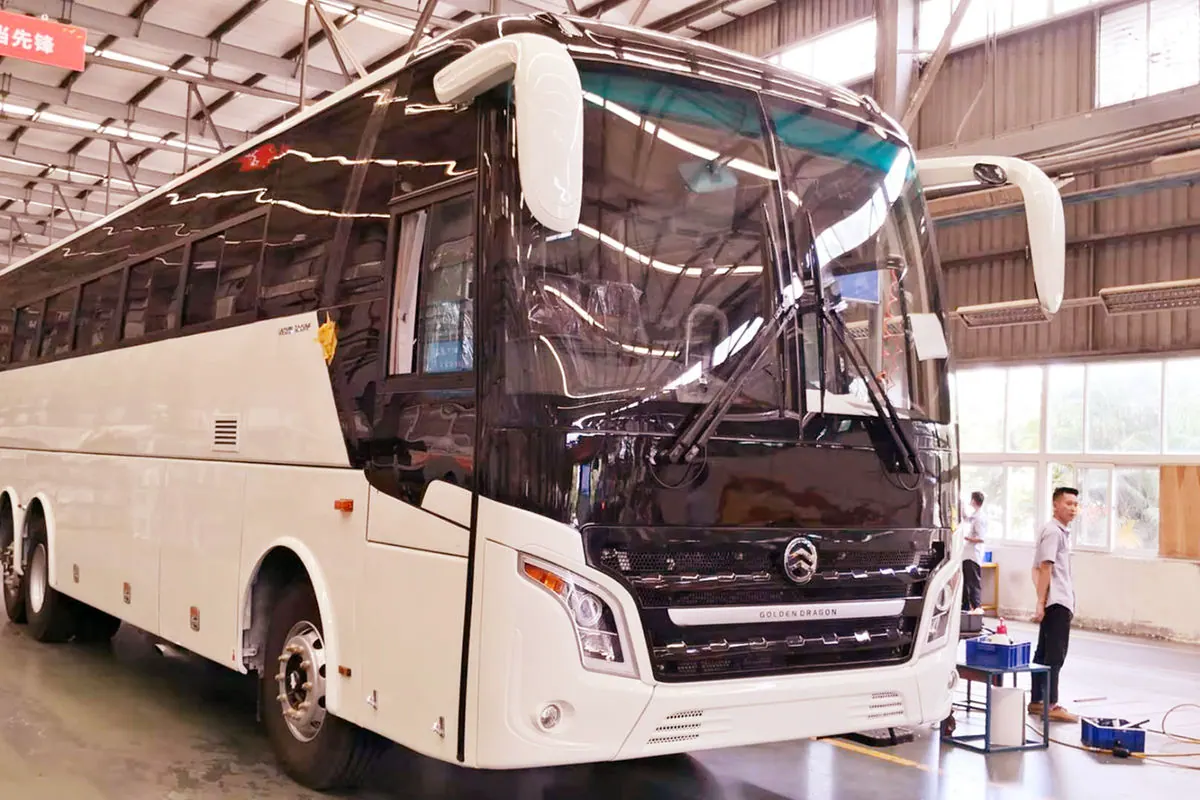
Chinese manufacturers have offered Tanzanian operators an alternative proposition, providing complete buses that integrate the body, chassis, engine, and major components. This model has reduced the capital required to put a new coach on the road. According to Joseph Priscus, national secretary of the Tanzania Bus Owners Association (Taboa), affordability is a key consideration for operators. Chinese buses from brands such as Yutong, Higer, King Long, and Zhongtong cost between Sh400 million and Sh500 million, significantly lower than the Sh1.2 billion required for a luxury bus built around a Marcopolo body and Scania engine.
The lower cost of Chinese buses impacts the mathematics of fleet expansion. Operators prioritize operating costs and affordability over durability alone. Mr. Priscus cited the example of used engine prices, which range from Sh7 million to Sh8 million for some Chinese buses, compared to around Sh21 million for a Scania engine. Additionally, some Chinese buses use less engine oil and have lower maintenance costs. These factors influence the decision-making process for bus owners, who aim to maximize returns on their investment.
The shift towards Chinese vehicles is not limited to the bus market. The heavy-truck market is also experiencing a similar transformation. Shaban Chuki, chairman of the Tanzania Lorry Owners Association (TAMSTOA), noted that European brands like Scania still have a loyal following due to their durability. However, Chinese trucks are gaining popularity due to their affordability and lower maintenance costs. Mr. Chuki mentioned that spare parts for Chinese trucks are now readily available in many parts of the country, making them a more convenient option.
Despite the growing popularity of Chinese vehicles, operators still value the qualities associated with European vehicles. Mr. Chuki stated that truck owners have been urging Chinese manufacturers to improve durability. The challenge for Chinese manufacturers is to strike a balance between affordability and durability. Yutong Tanzania Sales Manager Godwin Lang attributed the company's growth to factors such as acquisition costs, fuel efficiency, maintenance, and local after-sales support.
Yutong has made significant inroads in the Tanzanian market, with approximately 2,600 buses currently operating in the country. The company estimates that it held around 63 percent of Tanzania's intercity and long-distance coach market in 2025. Yutong's flagship D14 long-distance coach features a Blue-Core intelligent fuel-saving system designed to reduce fuel consumption. The company has invested in local after-sales support to ensure that its customers receive adequate service.
The transformation of Tanzania's coach and truck industry is expected to continue, with Chinese vehicles likely to maintain their market share. Key players in the industry will need to adapt to changing market dynamics and customer preferences. As the demand for affordable and durable vehicles grows, manufacturers will need to innovate and improve their products to remain competitive. The Tanzanian government and industry stakeholders will be monitoring the situation closely to ensure that the sector continues to grow and meet the needs of the country's transportation sector.
Key points
- Chinese buses and trucks are gaining popularity in Tanzania due to their affordability and lower maintenance costs.
- The shift towards Chinese vehicles has impacted the market share of European brands, with Yutong estimating that it held 63 percent of Tanzania's intercity and long-distance coach market in 2025.
- Despite the growing popularity of Chinese vehicles, operators still value the qualities associated with European vehicles, including durability.