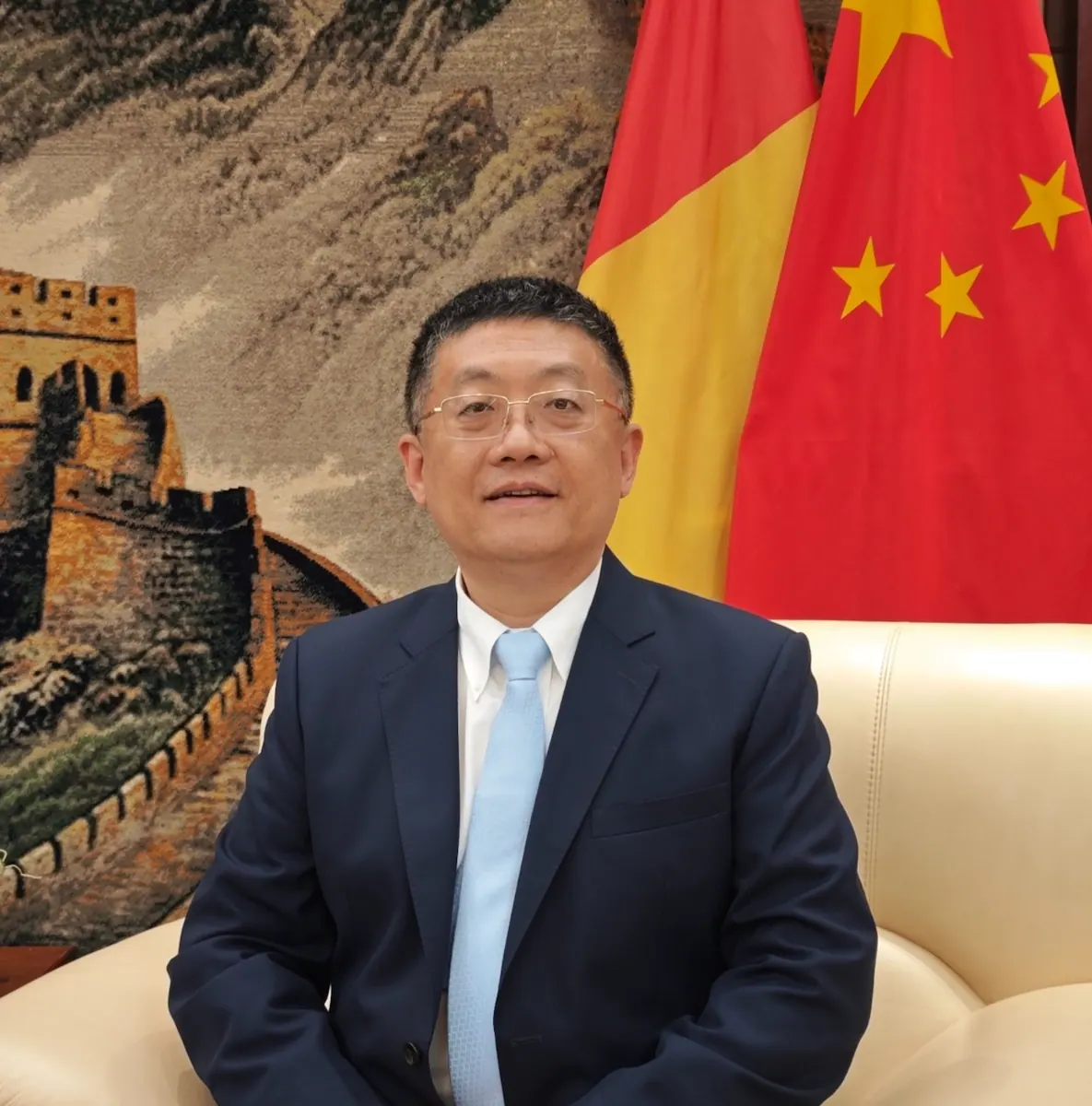
On the first anniversary of the Global Governance Initiative proposed by Chinese President Xi Jinping, Chinese Ambassador to Guinea Sun Yong reflected on the initiative's principles, ambitions, and early achievements. The initiative, launched on September 1, 2025, seeks to address the global governance deficit and build a more equitable system. Ambassador Sun emphasized the need for a multilateral, equal, and just international order, with greater representation for developing countries.
The Global Governance Initiative is based on the principles of respecting the UN Charter, promoting concerted action, and shared construction. It outlines five key guidelines: defending sovereign equality, upholding international law, practicing multilateralism, promoting a human-centered approach, and emphasizing action-oriented governance. The initiative has garnered significant international attention and support, with nearly 160 countries and international organizations backing it, and over 60 countries joining the "Friends of Global Governance" group.
Concrete progress has been made, including the establishment of the International Mediation Organization (IOMed) in Hong Kong, which has successfully resolved its first international maritime dispute. Additionally, the World Data Organization and the World Artificial Intelligence Cooperation Organization have been created in China. The "Conceptual Document of the Global Governance Initiative" and a white paper have also been published, demonstrating the initiative's growing impact on international cooperation and global governance reform.
Despite progress, the international situation remains complex and fluid, with a persistent governance deficit. The current mechanisms in some areas still lag behind the world's needs, and developing countries' representation and voice in global governance remain insufficient. Ambassador Sun stressed that the international community urgently needs to improve global governance effectiveness and perfect the global governance system, highlighting the practical value of the Global Governance Initiative.
China is committed to working with Guinea and other developing countries to strengthen their voice in international affairs and promote a more just and equitable global order. During his participation in the SCO Plus meeting in Bishkek, President Xi Jinping emphasized the importance of promoting a multipolar world and a more equitable global governance system. China supports the active participation of developing countries in global governance reform and will work with all countries to make a positive contribution to global governance.
The Global Governance Initiative has made significant strides since its inception, with China actively promoting the reform of the global governance system. As a major world power, China has demonstrated its vision and sense of responsibility under President Xi Jinping's leadership. The initiative aims to strengthen the role of the UN, promote a multipolar world, and work towards sustainable peace, development, and prosperity.
The collective rise of the Global South is a notable trend in the current international landscape. At the recent BRICS leaders' meeting, President Xi Jinping proposed that BRICS countries become pioneers in promoting innovative development, preserving peace and stability, and reforming global governance. China will continue to work with developing countries, including BRICS nations, to promote growth and cooperation, and contribute to a more just and equitable global governance order.
Key points
- The Global Governance Initiative aims to promote a more just and equitable global order.
- China supports the active participation of developing countries in global governance reform.
- The initiative has garnered significant international attention and support, with nearly 160 countries and international organizations backing it.