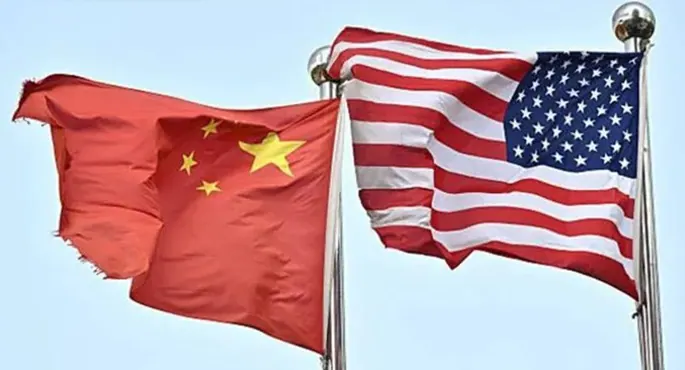
The Chinese Ministry of Commerce announced on Monday that the trade truce with the United States has been extended until January 10, providing a relatively stable and predictable political environment for cooperation between companies. This extension allows both parties to evaluate the implementation of previously agreed-upon arrangements and discuss future steps. The truce was one of the key outcomes of the second summit between Chinese President Xi Jinping and US President Donald Trump this year, held in Washington last week.
The extension of the trade truce for two months enables both sides to assess the implementation of their agreed-upon arrangements and consider how to move forward in areas such as tariffs and market access. According to Reuters, the Chinese Ministry of Commerce stated that this period will allow for active discussions and evaluations. The truce aims to maintain stability in economic and trade relations between the two nations.
One of the primary tasks of the trade council agreed upon by both parties is to discuss a mutual reduction of tariffs on products worth $30 billion. This move is intended to maintain stable economic and trade relations between China and the US. The Chinese Ministry of Commerce stated that this will create better conditions for the export of related Chinese products to the US.
According to a list published by the White House, China plans to reduce tariffs on a variety of US agricultural products, medical equipment, raw materials, and food products. The proposed tariff cuts, worth $30 billion, focus primarily on agricultural products such as corn, wheat, dairy products, and meats, but do not include soybeans. This development is seen as a positive step towards easing trade tensions between the two nations.
The new trade truce is part of Beijing and Washington's efforts to contain trade tensions that have escalated over the past few years due to tariffs, restrictions on goods, technology, and investments. The two countries had previously agreed to temporarily reduce tensions and allow for negotiations to address outstanding issues, including tariffs and market access.
The trade tensions between China and the US have had significant implications for global trade and economies. The agreed-upon tariff cuts and extended truce are seen as steps towards a more stable and predictable trade environment. Further discussions between the two nations are expected to focus on addressing outstanding economic and trade issues.
The extension of the trade truce and proposed tariff cuts have been seen as positive developments by market analysts. The outcome of these discussions will likely have significant implications for global trade, economies, and the relationship between China and the US. Key issues, including market access and tariffs, will continue to be addressed through ongoing negotiations.
Key points
- China and the US have extended their trade truce until January 10, allowing for further discussions on economic and trade issues.