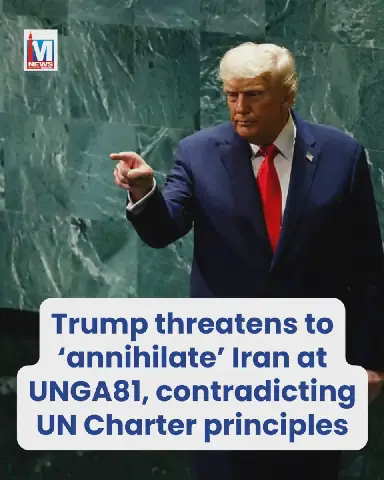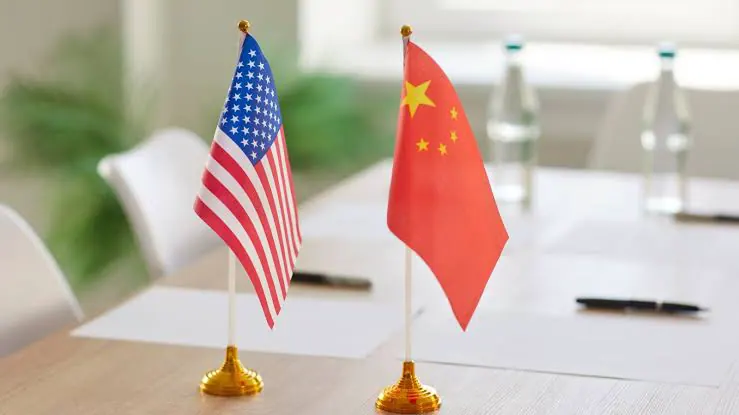
The Chinese Commerce Ministry has introduced new regulations requiring permits for exporting two additional chemical compounds used in the production of illicit drugs. These compounds are primarily shipped to the United States, Mexico, and Canada. This move brings the total number of controlled drug precursors to eighteen. The announcement comes as Chinese President Xi Jinping is set to meet with US President Donald Trump.
The policy shift is seen as a response to long-standing pressure from Washington on Beijing to regulate the global drug trade. The United States has consistently identified China as the world's primary producer of precursor chemicals, which fuel the illicit manufacturing of fentanyl, methamphetamine, and other synthetic substances. American officials have urged China to enforce stricter controls on chemical exports.
This is not China's first move to restrict the export of drug precursors. In November 2025, Beijing placed export restrictions on thirteen drug-making chemicals destined for North American markets. These included key compounds linked to the synthetic opioid crisis in the United States. Further restrictions followed in May, when authorities added three additional fentanyl-related precursors to the restricted inventory.
The regulation of drug precursors has been complicated by trade disputes between the two nations. The United States previously levied fentanyl-related tariffs against Chinese imports, prompting criticism from Beijing. The Chinese foreign minister argued that Washington's actions undermined diplomatic efforts. In March 2025, Beijing published a report outlining its domestic efforts to curb the illicit drug trade.
The trade conflict eventually shifted to the judiciary, with the US Supreme Court striking down the contested tariff in February. The latest export controls signal a renewed effort toward bilateral cooperation on counter-narcotics enforcement. Observers will closely watch the upcoming summit between President Xi and President Trump for indications of progress on this issue.
Both leaders face intense domestic pressure to address the public health crisis of synthetic drug overdoses while stabilizing broader economic ties. The outcome of this summit could redefine the framework of modern international trade negotiations and cooperative drug enforcement. China's actions suggest a willingness to engage in collaborative efforts to combat the global drug trade.
The meeting between President Xi and President Trump will be closely watched for signs of agreement on counter-narcotics cooperation and other issues. The two leaders have a complex history regarding counternarcotics enforcement, with previous diplomatic engagements and regulatory actions closely tracking high-level talks. The success of their summit could depend on their ability to navigate competing economic and security priorities.
Key points
- China has introduced new permit requirements for exporting two additional chemical compounds used in illicit drug production.
- The policy shift brings the total number of controlled drug precursors to eighteen.
- The announcement comes ahead of a meeting between Chinese President Xi Jinping and US President Donald Trump.