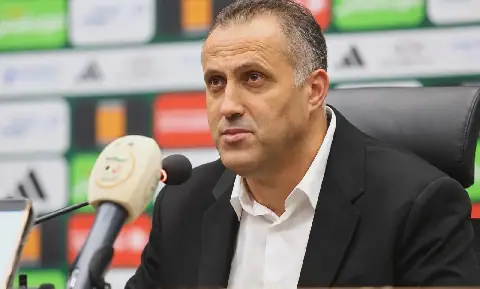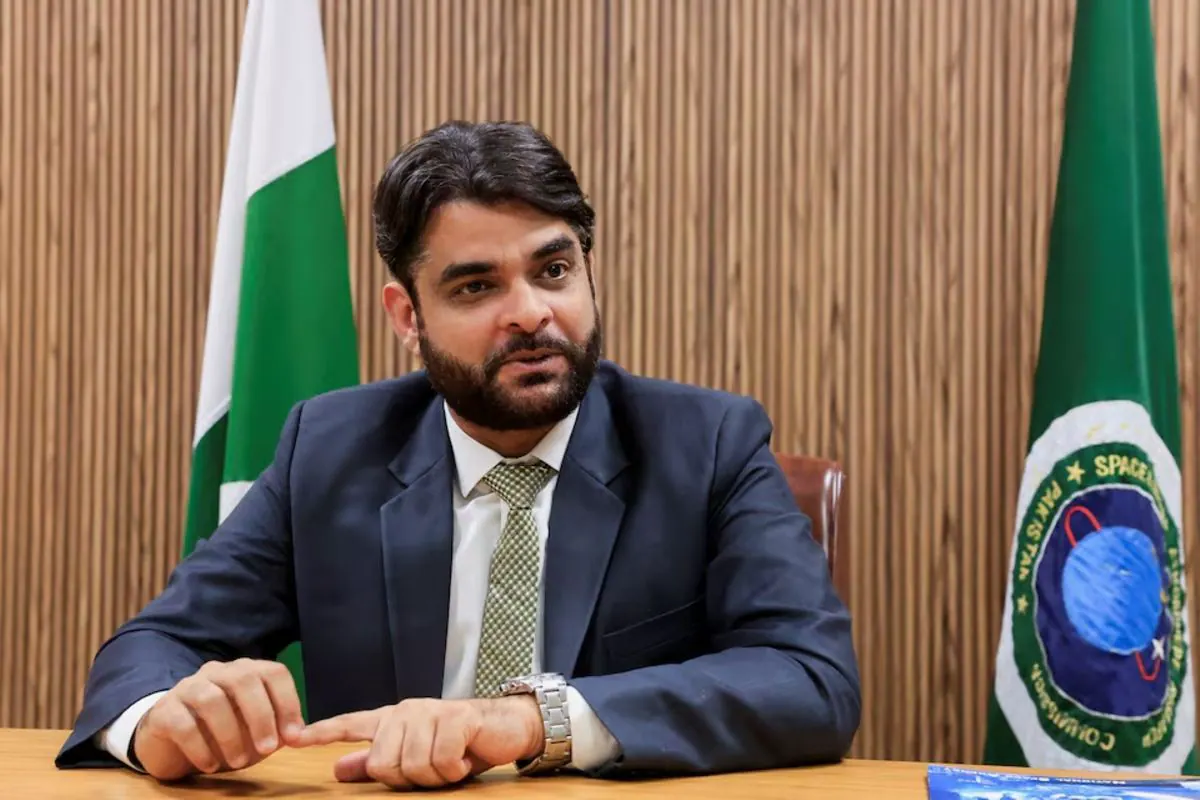
Two Pakistani pilots, Zeeshan Ali and Khurram Daud, are undergoing rigorous training at the China Astronaut Research and Training Center in Beijing to become the first Pakistani astronauts in space. The training, which began several months ago, includes intensive Chinese-language instruction, learning spacecraft systems, and adapting to microgravity and g-forces. The pilots are competing for a spot on China's Tiangong space station, a mission conceived by Pakistan and China in 2019.
The two pilots were selected from a pool of 20 finalists, who were screened for medical fitness, psychological resilience, and tolerance for g-forces. According to Uzair Ansari, director of artificial intelligence at Pakistan's space agency, SUPARCO, the pilots' backgrounds in high-speed flying made them ideal candidates. The training is a significant step in Pakistan's space cooperation with China, which includes the launch of Pakistani satellites and a joint satellite-navigation system.
The selected pilot will carry the title of "payload specialist" and will be responsible for running Pakistan's science experiments on the space station. Chinese institutes have picked four experiments proposed by SUPARCO, including biotechnology experiments that aim to combat food insecurity and climate change. The experiments have been built and pre-tested in SUPARCO's labs and will be validated on an international platform.
The Tiangong space station, which has already hosted over 180 experiments, has produced more than 500 research papers and 150 patents. The station's three modules, Tianhe, Wentian, and Mengtian, weigh around 77 metric tons and house 14 experiment racks. The Pakistani astronaut will fly aboard a Chinese-built spacecraft, launched from a Chinese site, and will communicate in Mandarin during the mission.
The Pakistani astronaut is expected to stay on the space station for about a week, a fraction of the six-month rotations of career Chinese crew members. The astronaut will return with two members of a Chinese crew that arrived at the space station in May. The mission is a significant milestone in Pakistan's space program, which relies heavily on cooperation with China.
China's invitation to Pakistan is the first time it will transport a foreign astronaut. The partnership between the two countries has produced several significant achievements, including the launch of Pakistani satellites and a joint satellite-navigation system. A Pakistani-built lunar rover is also set to fly on China's Chang'e 8 lunar mission around 2028.
The success of the mission could lead to further cooperation between Pakistan and China in space exploration. According to Amer Gilani, who oversees human spaceflight cooperation at SUPARCO, there is no official commitment to send a Pakistani astronaut to the moon, but future missions will depend on the success of the maiden mission. The mission is considered a "once-in-a-lifetime opportunity" for Pakistani scientists.
Key points
- The two Pakistani pilots, Zeeshan Ali and Khurram Daud, are training in China to become the first foreign astronaut on China's Tiangong space station.
- The selected pilot will carry out science experiments on the space station, including biotechnology experiments that aim to combat food insecurity and climate change.
- The mission is a significant milestone in Pakistan's space program, which relies heavily on cooperation with China.