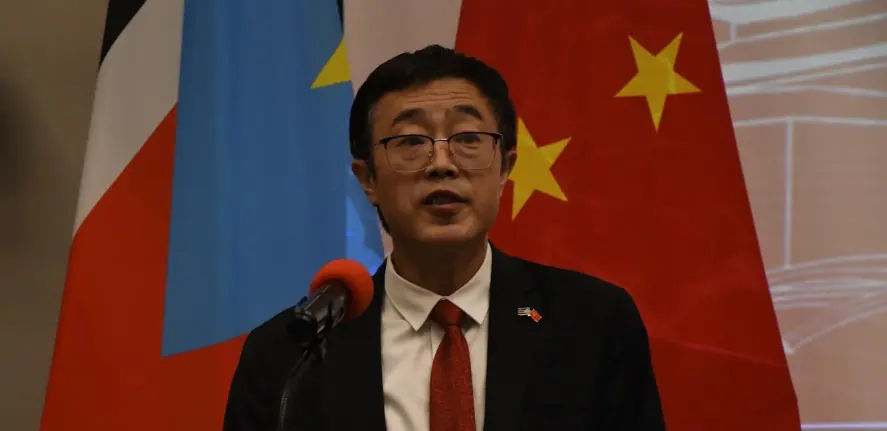
China's expanded zero-tariff policy for African countries is expected to create new opportunities for South Sudanese products to enter the Chinese market. This was announced by Chinese Ambassador to South Sudan Ma Qiang at a reception in Juba on September 28, 2026, marking China's National Day. The policy, which took effect on May 1, provides zero-tariff treatment covering 100% of tariff lines for all African countries with which China has diplomatic relations.
South Sudan was already among 33 African least-developed countries covered by China's zero-tariff arrangements before the latest expansion. The latest measures extended the treatment to 20 additional African countries that are not classified as least-developed, for an initial two-year period. However, goods must still meet relevant rules of origin and other import requirements. This move is part of China's efforts to promote high-quality Belt and Road cooperation with African countries.
Ambassador Ma Qiang highlighted the strong bilateral relations between China and South Sudan, which have treated each other as equals and supported one another since establishing diplomatic relations. He also mentioned several Chinese-supported projects in South Sudan, including the country's air traffic management system, a drilling and water-supply project involving 47 water wells, and the renovation and expansion of Juba Teaching Hospital.
In addition to these projects, China has provided training and scholarships for South Sudanese, while Chinese medical teams have conducted mobile clinics in several states. These efforts demonstrate China's commitment to supporting South Sudan's development and improving the lives of its citizens. The Chinese envoy's remarks were made at a reception celebrating the 77th anniversary of the founding of the People's Republic of China.
South Sudan has been seeking to expand economic and commercial ties with China. Senior Presidential Adviser Kuol Manyang Juuk called for greater cooperation in trade and investment, agriculture and agro-processing, infrastructure, energy, education, technology, and health. He emphasized that greater economic cooperation could support value addition, create jobs, and promote industrial development and economic growth in South Sudan.
Juuk highlighted South Sudan's natural resources and young population as providing potential for increased economic and commercial cooperation with China. The country's leaders are eager to leverage these advantages to drive economic growth and development. As China and South Sudan continue to strengthen their bilateral relations, the tariff-free market access is expected to open up new opportunities for South Sudanese businesses.
The expanded zero-tariff policy is a significant development in China-South Sudan relations, with potential benefits for both countries. As South Sudanese products enter the Chinese market, the country's economy is likely to receive a boost. Meanwhile, China will continue to play a key role in supporting South Sudan's development through various projects and initiatives.
Key points
- China expands zero-tariff policy to 100% of tariff lines for all African countries with diplomatic relations.
- South Sudan was already covered by China's zero-tariff arrangements as a least-developed country.
- The policy aims to promote high-quality Belt and Road cooperation with African countries.