The Chinese government has emphasized its commitment to preventing a resumption of hostilities in the Middle East, describing it as an "absolute priority" due to the potential disastrous consequences for regional populations. Foreign Ministry spokesperson Mao Ning made this statement during a press conference, highlighting China's recent diplomatic engagements with key players in the region, including Iran, Saudi Arabia, and Oman. These efforts aim to promote a negotiated solution to the conflict.
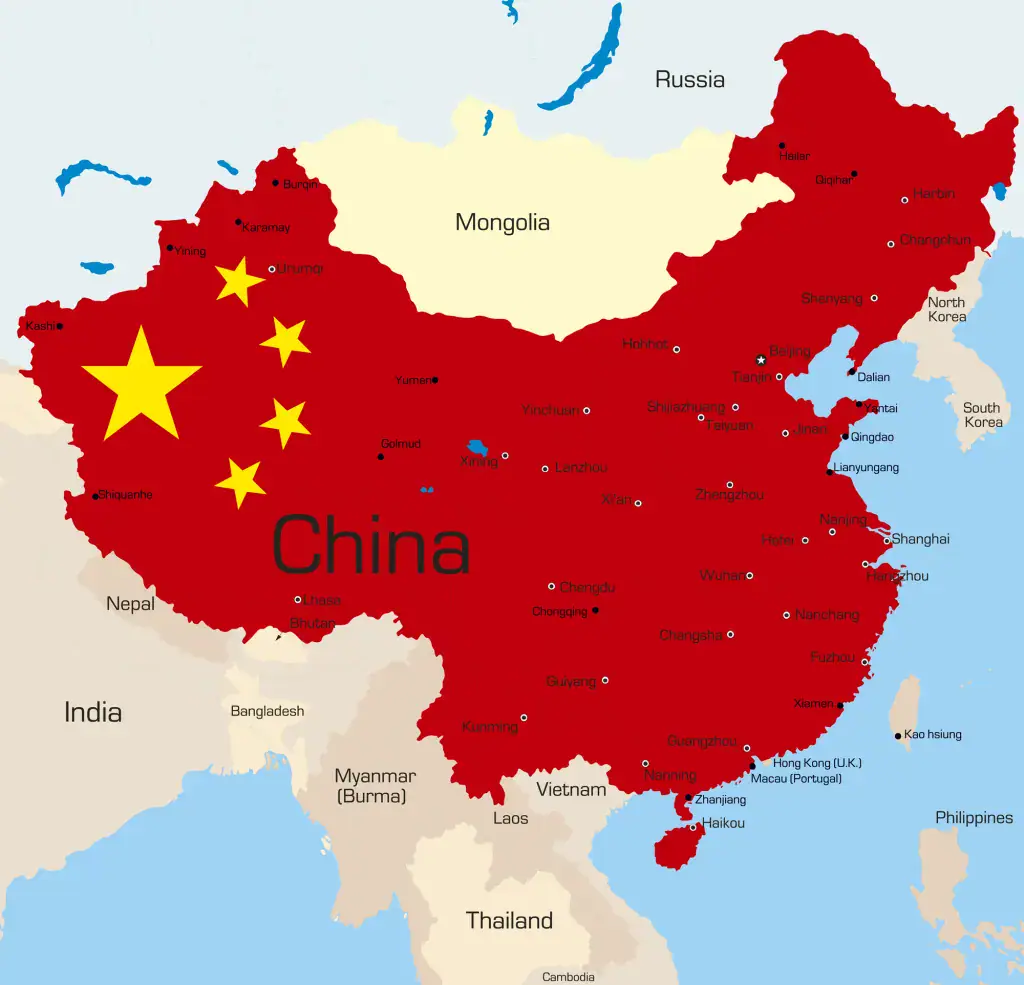
China's diplomatic push comes amid significant economic interests in the region, with over half of its crude oil imports last year originating from the Middle East, mostly passing through the Strait of Hormuz. The country's relations with Iran, a major oil supplier, are particularly noteworthy, with Tehran directing over 80% of its oil exports to China before the war. China also maintains close ties with Gulf Arab states, having strengthened economic and diplomatic cooperation over the past decade.
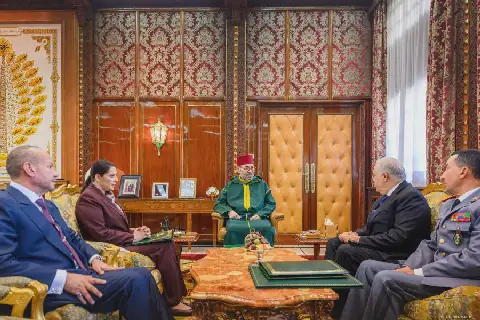
On November 2, Chinese President Xi Jinping met with Oman Sultan Haitham bin Tariq, who has played a mediating role in the conflict. Separately, Chinese Foreign Minister Wang Yi held talks with senior Iranian and Saudi officials, underscoring China's active engagement in regional diplomacy. The country's efforts aim to ensure stability in the Middle East and the Gulf region, which is crucial not only for local populations but also for global energy supplies and international peace.
The crisis in the Middle East has had implications for China's economy, which is heavily reliant on international trade and external supplies of raw materials. In recent months, Beijing has pursued discreet yet persistent diplomatic efforts to achieve a negotiated solution and reopen the Strait of Hormuz, amid the threat of a new high-intensity military confrontation.
China views stability in the Middle East and the Gulf region as vital for maintaining international energy supplies and global peace and security. Mao Ning emphasized that the country's diplomatic efforts will continue to focus on preventing a resumption of hostilities and promoting a peaceful resolution to the conflict.
The Chinese government's emphasis on diplomacy reflects its growing role in regional and global affairs, with Beijing seeking to balance its relationships with various stakeholders in the Middle East. By engaging with both Iran and Gulf Arab states, China aims to leverage its economic and strategic influence to support a peaceful resolution.
As the situation in the Middle East remains volatile, China's continued diplomatic engagement and commitment to preventing a resumption of hostilities will be closely watched by regional and global actors. The country's efforts may contribute to a more stable environment, which is essential for international trade, energy supplies, and global security.
Key points
- China considers preventing a resumption of hostilities in the Middle East an "absolute priority".