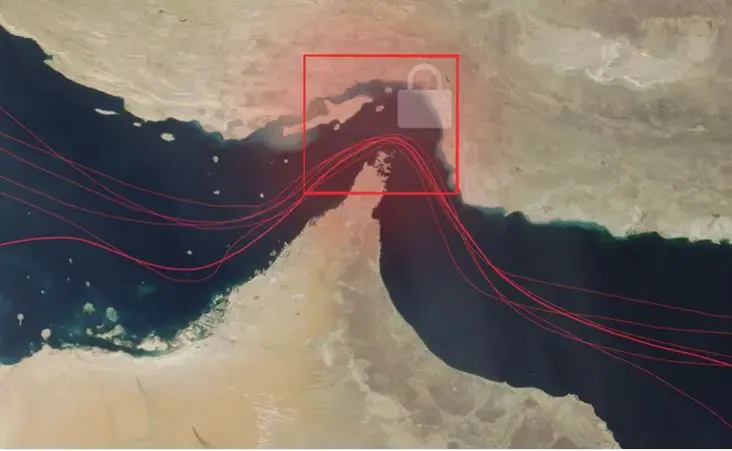
China's Foreign Minister Wang Yi has called for a peaceful resolution to the conflict between the US and Iran, amid rising tensions in the Strait of Hormuz. Speaking on Thursday, Wang Yi emphasized the need for all parties to seek a peaceful solution, according to Reuters. This comes after Iranian President Masoud Pezeshkian's address to the UN General Assembly, where he highlighted the impact of US sanctions on Iran's ports and the Strait of Hormuz.
President Pezeshkian's speech focused on the US blockade of Iranian ports and the Strait of Hormuz, which was a major shipping route for oil and natural gas before the US-Iran war. He stated that Iran cannot benefit from the strait while being denied access to shipping through it. Pezeshkian also emphasized that the Iranian people will not succumb to pressure. The Strait of Hormuz was once a busy shipping lane, with around 125 commercial vessels passing through daily, accounting for about 20% of global crude oil and natural gas supplies.
However, the movement of ships through the Strait of Hormuz has significantly decreased in recent months. An Iranian official revealed on Wednesday that Tehran is studying Washington's response to its proposals for ending the war, which prioritize the lifting of the US naval blockade on Iranian ports and the reopening of the Strait of Hormuz. The official noted that while positions between Iran and the US remain far apart, diplomacy must continue.
The conflict between the US and Iran has had significant implications for global oil supplies and regional stability. The Strait of Hormuz is a critical waterway for oil exports, and any disruption to shipping through it could have far-reaching consequences. China's call for dialogue comes as the international community seeks to reduce tensions and prevent further escalation.
Wang Yi's comments reflect China's concerns about the impact of the conflict on regional and global stability. As a major player in global trade, China has a vested interest in ensuring the free flow of goods, including oil, through critical waterways like the Strait of Hormuz. By urging dialogue, China is seeking to promote a peaceful resolution to the conflict.
The Iranian official's comments suggest that Tehran is open to diplomatic efforts, but significant differences remain between Iran and the US. The US has maintained a naval presence in the region, which Iran views as a threat. Lifting the blockade and reopening the Strait of Hormuz are key demands for Iran, which sees these steps as essential for ending the conflict.
The international community is watching developments in the Strait of Hormuz closely, as tensions between the US and Iran continue to simmer. China's call for dialogue reflects a broader desire for a peaceful resolution to the conflict, which would help to stabilize the region and ensure the free flow of goods.
Key points
- China urges US and Iran to engage in dialogue to resolve Strait of Hormuz conflict
- Iranian President Pezeshkian emphasizes impact of US sanctions on Iran's ports and Strait of Hormuz
- Significant differences remain between Iran and US on resolving conflict