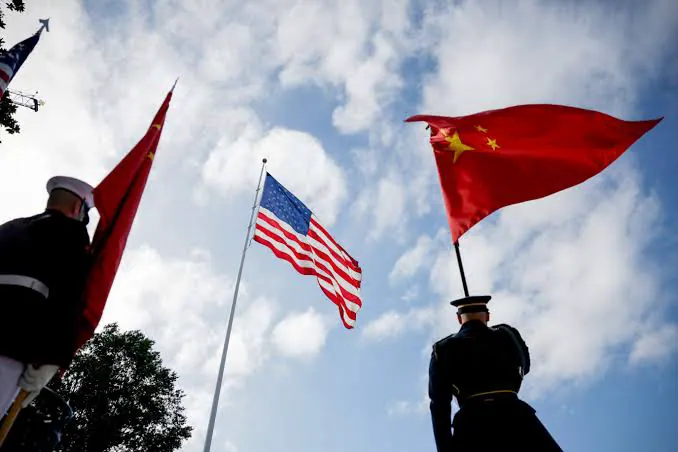
China and the United States have announced a significant reduction in tariffs on approximately $60 billion worth of goods traded between them. This move is part of a broader agreement aimed at easing tensions in their trade relationship. The reductions, which are set to benefit both countries, cover a wide range of products. China's decision to lower tariffs on certain American agricultural products, such as corn, wheat, and soy-free animal feed, is seen as a positive step.
The US has also agreed to reduce tariffs on various Chinese goods, including consumer products like household appliances, toys, and children's car seats. However, the agreement notably excludes soybeans, a major US agricultural export to China, indicating that Beijing is preserving its leverage in trade negotiations. This selective approach to tariff reductions suggests that both countries are cautiously navigating their trade relationship.
Beyond tariff reductions, the agreement between China and the US includes the establishment of communication channels for incidents related to artificial intelligence. Additionally, China has committed to reviewing market access requests from foreign financial institutions. The two countries have also agreed to expand direct air links, which could enhance travel and trade between them.
The agreement was reached following a summit between the US and Chinese presidents. It includes a two-month extension of their trade truce, which will now last until January 10, 2027. This temporary reprieve keeps open the possibility of negotiations on deeper trade disputes, including issues related to access to rare earths and export controls on semiconductors.
The Chinese markets reacted cautiously to the news, awaiting a precise implementation schedule. For third countries, including Morocco, the implications of this agreement are significant. A lasting easing of tensions could reduce the pressure on trade diversion, particularly concerning Chinese exports redirected towards European and African markets since the onset of the trade conflict.
The development has sparked interest in how it might influence global trade dynamics. With both China and the US being major economic powers, their trade policies have far-reaching impacts. The selective nature of the tariff reductions and the exclusion of sensitive products suggest a strategic approach by both sides.
As the global economy watches the developments, countries like Morocco are keenly observing the potential shifts in trade flows. The agreement's effects on international trade could be substantial, especially if it leads to a more stable trade environment between China and the US. This stability could, in turn, influence trade relationships and policies worldwide.
Key points
- China and US agree to reduce tariffs on $60 billion in trade
- Agreement includes establishment of AI incident communication channels
- Extension of trade truce until January 10, 2027, allows for further negotiations