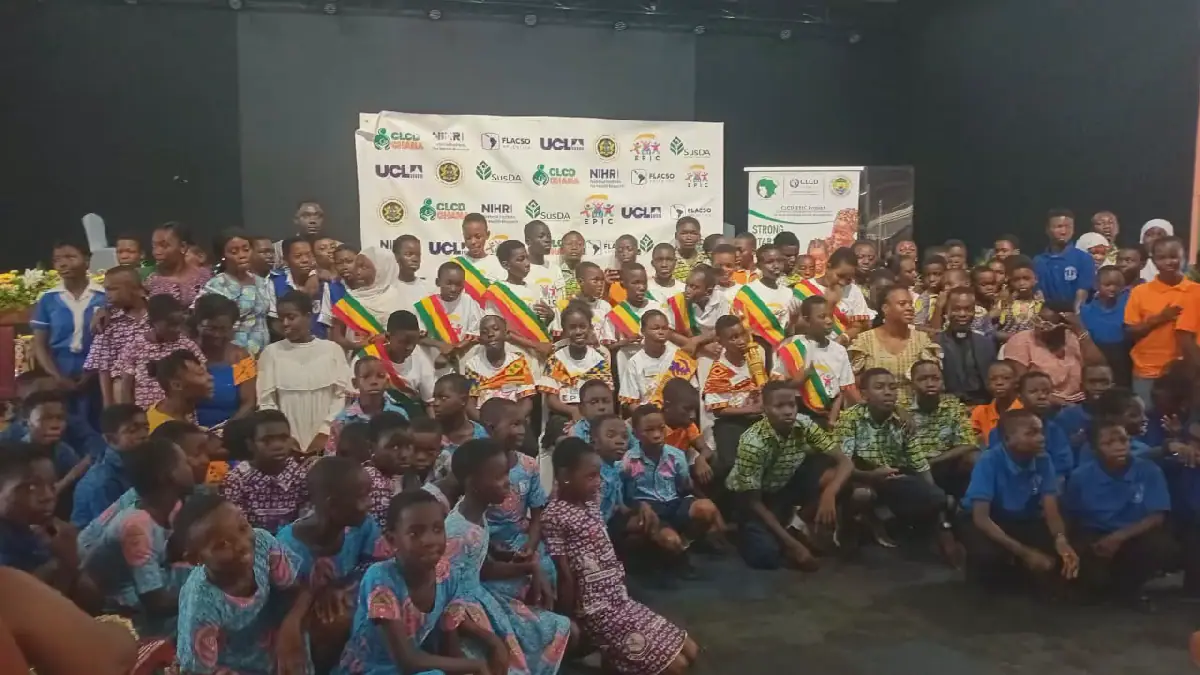
A recent moot Parliament by children in public schools within the Effia-Kwesimintsim Municipal Assembly in Ghana highlighted critical needs requiring attention from various Ministries, Departments, and Agencies. The children discussed issues such as non-functioning street lights, scholarships for needy students, poor roads, and inadequate classrooms. They also raised concerns about poor cafeteria facilities, the quality and quantity of school feeding programs, and improper washrooms.
The children's Parliament, led by speaker Precious Aseidu Tetteh, Majority leader Michal Mercy Osam-Pinako, and Minority leader Eugenia Quayson, addressed various challenges affecting their wellbeing. These included the lack of a police station, disability-unfriendly access in schools, noise pollution, and flooding that made trekking to school hazardous during the rainy season. The sitting was adjourned to October 30, 2027.
Dr. Kwame Sakyi, a child development advocate, emphasized the importance of children's active involvement in policymaking to identify gaps and improve policies affecting their welfare. He made this statement at a Children's Parliament program organized by the Centre for Learning and Childhood Development under the EPIC project. According to Dr. Sakyi, children's participation is both a right and a means to ensure policies reflect their needs.
Dr. Sakyi mentioned that children aged five to 17 had identified concerns, including water pollution, illegal mining, unsafe roads, inadequate streetlights, and limited recreational facilities, through drawings and household materials. Their submissions highlighted overlooked issues during the revision of Ghana's Early Childhood Development Policy, such as pollution, mining, and climate change.
Member of Parliament for Kwesimintsim, Fiifi Buckman, commended the students for expressing their concerns, needs, and aspirations. He stated that their contributions were crucial in promoting safer communities and ensuring development efforts addressed the realities they faced. Mr. Buckman urged the children to be agents of patriotism and pledged to invite them to Parliament to experience its proceedings firsthand.
Presiding Member for Effia-Kwesimintsim Municipality, Musah Adamu, noted the need to provide children with meaningful opportunities to participate in decisions affecting their lives and future. He stated that the Children's Parliament exposed children to democratic principles, leadership, debate, accountability, and civic responsibility. The EPIC project, a collaboration between the Centre for Learning and Childhood Development and the Ministry of Gender, Children and Social Protection, organized the Children's Parliament for participants aged 13 to 17.
The platform enabled children to review early childhood development plans in five districts and identify gaps, including issues such as homelessness and teenage pregnancy. The program aimed to empower children to contribute to policymaking and address challenges affecting their welfare.
Key points
- Dr. Kwame Sakyi advocates for children's involvement in policymaking.
- The Children's Parliament addressed critical needs in education and infrastructure.
- The program aimed to promote children's participation in democracy and civic responsibility.