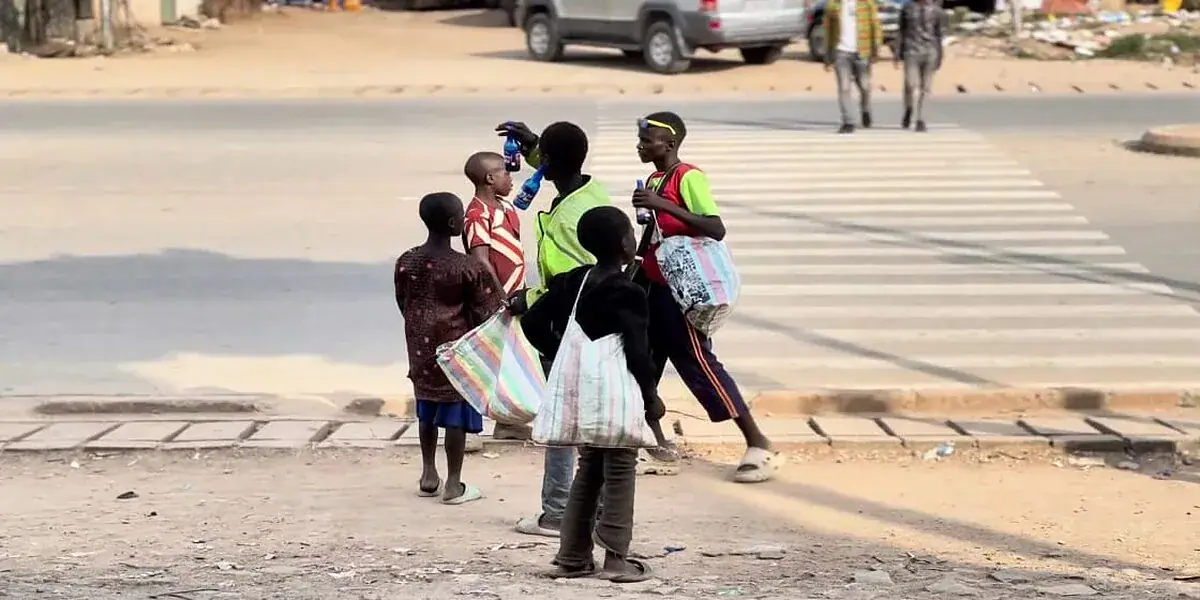
A communal councillor in Ituri, Olivier Nguna Bahati, has raised concerns about the vulnerability of children living on the streets to Ebola. He stated that these children are not aware of the existence of the Ebola virus or prevention methods. Abandoned and without proper care, they are left in the dark, exposed to risks. Their living conditions, including lack of a fixed home, limited access to clean water and sanitation facilities, and frequent interactions in public spaces, increase their vulnerability to the disease.
According to Nguna Bahati, the risk of transmission is not limited to the children themselves but also extends to their families. When they return to their respective homes without proper education on prevention measures, they may inadvertently spread the disease. This situation is further complicated by the insufficient presence of government and non-governmental organizations, as well as response teams, among street children. As a result, this group remains inadequately covered in awareness campaigns deployed in Bunia.
The councillor lamented the lack of attention to the needs of street children, citing inadequate care and support. To address this issue, he recommended providing them with proper care in suitable spaces, food assistance, and regular awareness sessions on Ebola risks and prevention methods. Nguna Bahati emphasized that these measures are crucial to improving the health protection of street children and enhancing Ebola prevention efforts in Bunia.
An initiative to raise awareness at the grassroots level is being planned, but its implementation is hindered by a lack of financial resources. Despite these challenges, Nguna Bahati remains committed to finding solutions to mitigate the risks faced by street children in Ituri. The situation of these children is dire, and immediate action is necessary to prevent a potential outbreak.
The living conditions of street children in Ituri are precarious, with limited access to basic necessities like clean water and sanitation. Their frequent interactions in public spaces increase their risk of contracting and spreading diseases, including Ebola. Awareness and education are critical in preventing the spread of the disease, but these efforts must be tailored to reach the most vulnerable populations, including street children.
The response to the Ebola outbreak in Ituri requires a multi-faceted approach that includes awareness, prevention, and care. Nguna Bahati's concerns highlight the need for increased attention and resources to support street children, who are among the most vulnerable populations in the region. By addressing their specific needs and providing targeted support, it is possible to reduce their risk of contracting Ebola and improve overall health outcomes.
The situation in Ituri underscores the importance of community-based initiatives and collaboration between government and non-governmental organizations to address public health challenges. By working together, stakeholders can develop effective strategies to reach vulnerable populations, including street children, and prevent the spread of diseases like Ebola. This collaborative approach is essential to protecting the health and well-being of communities in Ituri and beyond.
Key points
- Street children in Ituri are at high risk of contracting Ebola due to lack of awareness and poor living conditions.