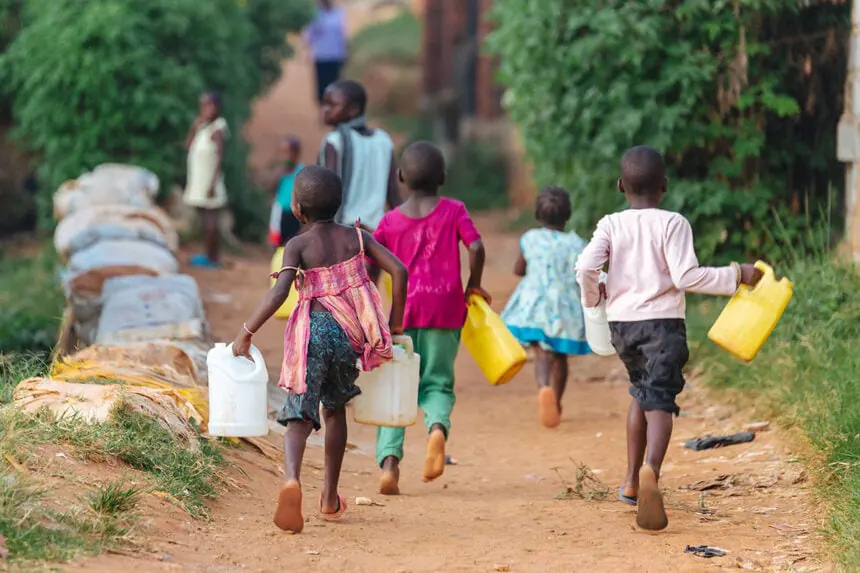
The Child Rights Act (CRA) of 2003 has been a significant milestone in Nigeria's efforts to protect the rights of children. Enacted 23 years ago, the law has unified child protection and defined a child as anyone under 18 years old. This definition has ended confusion, particularly in cases of child marriage. Section 21 of the Act explicitly prohibits child marriage and betrothal. The CRA has also outlawed the use of children for hawking, domestic servitude, forced labor, and trafficking.
Since its enactment, the CRA has led to significant progress in child protection. Over 20,000 child trafficking cases have been tracked, and the law has given the National Agency for the Prohibition of Trafficking in Persons (NAPTIP) the legal backing to prosecute offenders. Additionally, Sections 13 and 15 of the Act provide for free, compulsory basic education and free primary healthcare. Individuals can now sue the government for denying a child access to school. The CRA has also protected children in contact with the law by forbidding their detention with adult criminals.
The CRA has been domesticated in 35 states plus the Federal Capital Territory (FCT), with Kano being the only state still struggling with its implementation. The law has become a tool for advocacy, with international organizations like UNICEF, Save the Children, and ActionAid using it to train police, teachers, and traditional rulers. Despite this progress, stakeholders argue that the law is due for review and amendment. They cite an implementation gap, weak punishment for child traffickers, and emerging digital threats like cyber-bullying and child pornography.
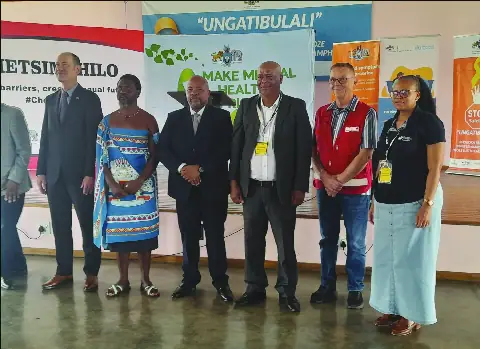
A recent national stakeholders' engagement on the review and amendment of the CRA was organized by the Federal Ministry of Justice in collaboration with UNICEF and International IDEA. The Attorney-General of the Federation (AGF) and Minister of Justice, Prince Lateef Fagbemi, emphasized that the development of Nigerian children is inseparable from the development of the country. He noted that investment in the Nigerian child is an investment in the future workforce, leadership, innovation, peace, and prosperity of the nation.
The AGF, represented by the Solicitor-General of the Federation and Permanent Secretary, Federal Ministry of Justice, Mrs Beatrice Jedy-Agba, urged participants to understand that the engagement was not merely to commemorate the existence of the Act but to address the gap between rights guaranteed by law and those enjoyed by Nigerian children in reality. Child rights should not be regarded as a peripheral social issue but as fundamental to human capital development, national security, social stability, and sustainable development.
Other stakeholders, including Justice Suzzette Nyesom-Wike and Chief Judge of the Federal High Court, Justice John Tsoho, have called for a successful review and amendment of the CRA. They noted that Nigerian children have faced challenges that the framers of the law could scarcely have anticipated, including pressures of the digital age, insecurity, child labor, and child marriage. The judiciary has assured participants that it is ready to play its part in enforcing the law.
The review and amendment of the CRA aim to address emerging challenges and strengthen the protection of Nigerian children. Stakeholders are calling for implementable and enforceable legislation to enhance the development and welfare of Nigerian children. The engagement has produced recommendations that will close the gaps between legislative intent and judicial enforcement, including clearer definitions and stronger enforcement mechanisms.
Key points
- - The Child Rights Act has been domesticated in 35 states plus the FCT, but Kano is still struggling with its implementation. - Stakeholders are calling for a review and amendment of the CRA to address emerging challenges, including digital threats and weak punishment for child traffickers. - The review and amendment aim to strengthen the protection of Nigerian children and enhance their development and welfare.