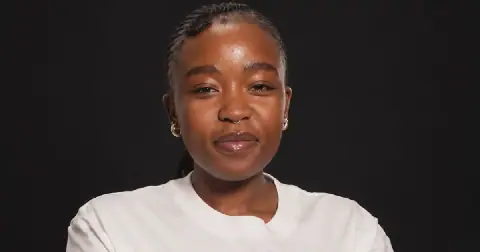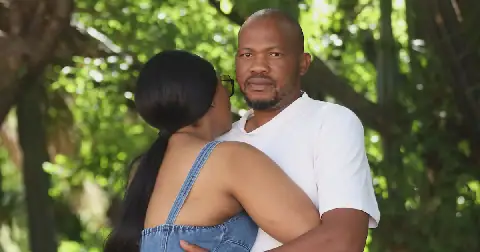
The protection of children from sexual abuse in Mauritius has come under scrutiny following two reported cases involving six-year-old children. The cases, which involve a girl allegedly assaulted by her uncle and another child allegedly assaulted by a minor at a shelter, have raised urgent questions about how children are protected in places where they should feel safe. The Ombudsperson for Children, Aneeta Ghoorah, has emphasized that the responsibility to protect children is firmly established, but what matters is whether that responsibility translates into timely intervention.
The UN Convention on the Rights of the Child has been ratified by Mauritius, placing responsibility on the State to protect children from all forms of sexual abuse and exploitation. According to Aneeta Ghoorah, the best interests of the child, protection from violence, and the right to recovery must guide the response, particularly when the child concerned is only six. The Ombudsperson has also condemned the circulation of a video of the alleged abuse on social media, which exposes the child to further harm and compromises her privacy.
The Ombudsperson for Children has highlighted that Mauritius has mechanisms for reporting and responding to child abuse, but their existence does not automatically mean that every child at risk is identified and protected in time. Aneeta Ghoorah has emphasized that the fundamental question is whether the system intervenes before abuse occurs, rather than only after a child has suffered harm. She has also noted that where the alleged abuser is a relative, the child's vulnerability requires particular attention.
Once a child discloses abuse, the manner in which institutions respond is critical. According to Aneeta Ghoorah, the response must be immediate, compassionate, and focused on the child's safety and dignity. The child must be protected from further harm, listened to without judgment, and provided with timely medical care and specialized psychological support. The same principles must extend through the investigation and any court proceedings.
The Ombudsperson has advocated for education that gives children an age-appropriate understanding of their bodies and boundaries. Aneeta Ghoorah believes that age-appropriate sexuality education must begin in the early years, with clear foundations that include learning about personal boundaries and recognizing inappropriate touching. Digital awareness must also form part of that approach, as children have access to mobile devices at a young age.
Social worker and disability rights advocate Ali Jookhun has emphasized that protecting children requires more than institutions and good intentions. He believes that the test is whether concerns trigger timely intervention, qualified support, and clear accountability. Ali Jookhun has noted that family abuse is often hidden behind trust, fear, and silence, and that children may fear speaking out due to their dependence on the alleged abuser.
The Ombudsperson for Children has called for stronger child protection services, prompt investigations of abuse allegations, and child-sensitive support to victims. Aneeta Ghoorah has also emphasized the need for regular training for professionals responsible for child safety and independent monitoring of implementation through regular audits and transparent public reporting.
Key points
- The Ombudsperson for Children, Aneeta Ghoorah, calls for age-appropriate sexuality education to begin in early years.
- Two recent cases of child sexual abuse in Mauritius highlight the need for stronger safeguards and timely intervention.
- The Ombudsperson advocates for effective coordination between child protection services, police, healthcare professionals, and the justice system.