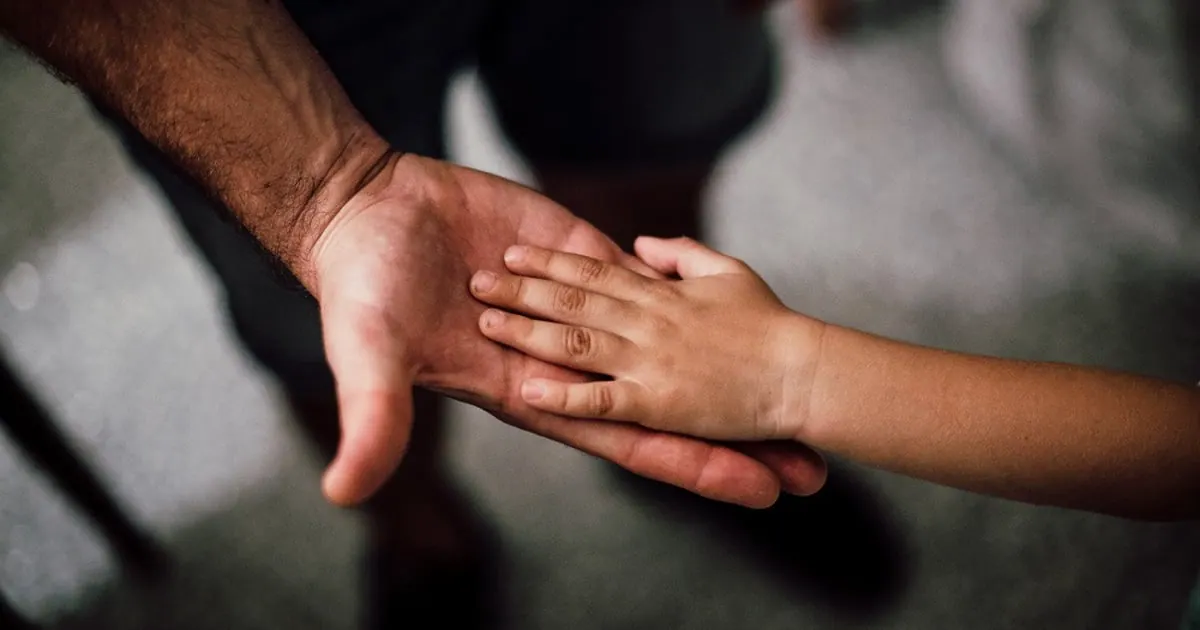
Child grooming is a process that can take years to complete and often begins within the family, according to forensic social worker Eunice Marais. Marais explains that grooming starts with building trust gradually over time, long before any sexual abuse takes place. This process can be carried out by someone known and trusted by the family, not just a stranger. Marais made these remarks on the Clement Manyathela Show, highlighting the complexities of child grooming and sexual abuse.
Marais emphasizes that there is no simple profile of a groomer, and that the manipulation can leave a child believing they willingly participated in what happened. The aim of grooming is to cross boundaries, blur boundaries, and manipulate the child into thinking they also consent to this. As a result, a child's understanding of boundaries can become distorted, while secrecy, guilt, and manipulation may make it even harder for them to disclose the abuse.
Predators may use gifts or attention to meet an unmet need, including targeting children who are lonely or vulnerable. Marais explains that sexual material may later be introduced gradually to desensitize the child and normalize sexual behavior. This process does not always start with sexual grooming, but rather with building trust and meeting the child's needs. Only once the perpetrator feels they have gained the child's trust might they begin testing sexual boundaries.
Marais stresses the importance of age-appropriate education about bodies, consent, and boundaries for parents and children. This education can help children recognize patterns of behavior and identify potential grooming. Parents and children should learn to recognize these patterns, which can help prevent child grooming and sexual abuse. By educating children about healthy boundaries and relationships, parents can play a crucial role in preventing child grooming.
The manipulation of children through grooming can have long-lasting effects, making it difficult for them to disclose the abuse. Marais notes that children may feel guilty or ashamed, and that the secrecy surrounding the abuse can make it harder for them to seek help. It is essential for parents, caregivers, and communities to be aware of the signs of child grooming and to create a safe and supportive environment for children to disclose any abuse.
Marais also highlights that grooming often involves people already known and trusted by families, not just strangers. This makes it even more challenging for children to recognize the potential danger and for parents to identify potential groomers. By being aware of the complexities of child grooming, parents and caregivers can take steps to prevent it and create a safer environment for children.
In South Africa, child grooming and sexual abuse are significant concerns, with many cases going unreported. Marais's warnings highlight the need for increased awareness and education about child grooming and its effects. By working together, communities can help prevent child grooming and create a safer environment for children to grow and develop.
Key points
- Child grooming often starts with building trust gradually over time, long before any sexual abuse takes place.
- There is no simple profile of a groomer, and perpetrators can be people known and trusted by families.
- Age-appropriate education about bodies, consent, and boundaries is essential for preventing child grooming and sexual abuse.