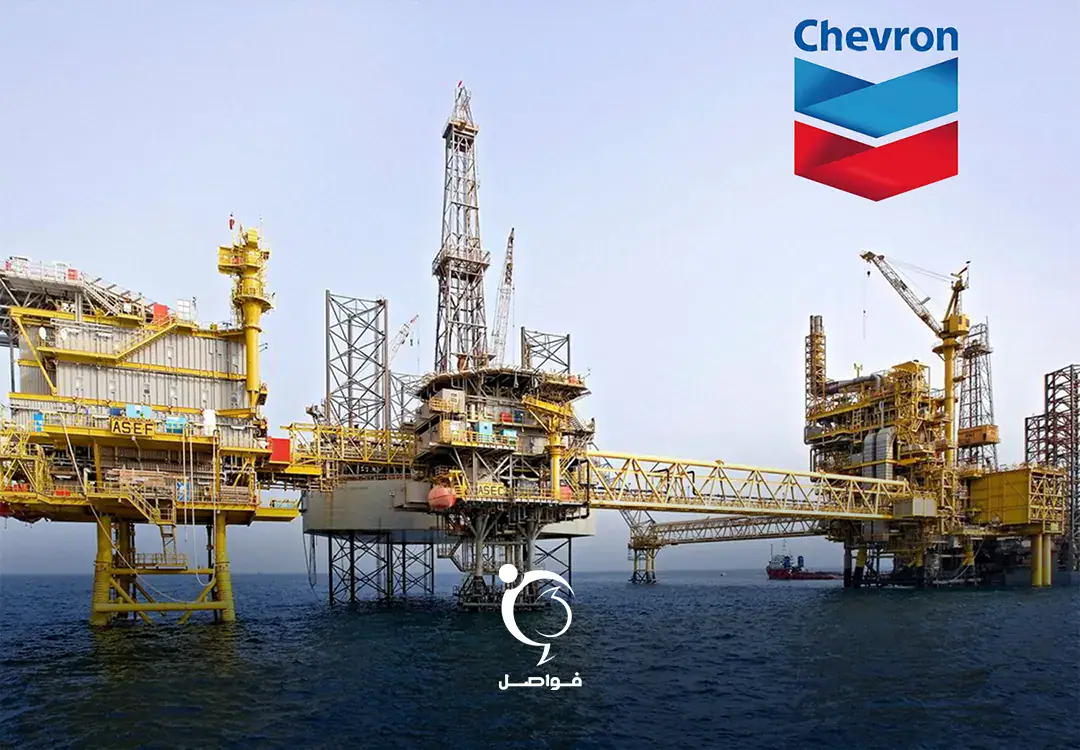
The Middle East Forum has said Chevron's plans to explore gas south of the Greek island of Crete have put eastern Mediterranean energy interests in a geopolitical test. This development comes as maritime claims overlap between Greece, Turkey, and Libya. According to the forum, Chevron's presence in the region does not guarantee US intervention to protect exploration operations if they face obstruction.
In February 2026, Chevron signed agreements with Greek company Hellenic Energy for four offshore exploration sectors, including two south of Crete, with a 70% operating stake. Seismic surveys are set to begin in December 2026, with exploration operations planned for early 2027. This move has raised concerns in Libya, where the House of Representatives approved a maritime memorandum of understanding with Turkey in October 2026.
The Libya-Turkey agreement has increased Turkish influence in eastern Libya and complicated maritime disputes with Athens. Greece views the agreement as ignoring the maritime rights of Greek islands, particularly Crete. Libya has also objected to exploration activities in areas it claims as its own, warning that continued operations could impact maritime negotiations with Greece.
The Middle East Forum noted that Chevron has commercial interests on both sides of the tension. In January 2026, Chevron signed a memorandum of understanding with Libya's National Oil Corporation. The company later secured an exploration sector in the Sirte Basin, making it in its interest to maintain a stable environment for operations in both Libya and Greece.
The forum's analysis suggests that Chevron's investments do not necessarily imply US backing for Greece's maritime claims. The US is likely to approach the issue from the perspective of protecting its companies' interests and maintaining energy stability, rather than taking on military commitments or favoring one side's claims over another.
The development has significant implications for Libya's energy sector. As the country seeks to increase its oil and gas production, it must navigate complex geopolitical dynamics. The presence of international companies like Chevron adds an additional layer of complexity, as their operations can be impacted by regional tensions.
The situation highlights the challenges facing Libya's energy investments. With multiple stakeholders involved, including international companies and regional players, the country's energy sector must navigate a complex web of interests and claims. The outcome of these developments will have significant implications for Libya's energy future and its relationships with neighboring countries.
Key points
- Chevron's exploration plans south of Crete have raised concerns in Libya about the potential impact on maritime claims and energy investments.
- The development has significant implications for Libya's energy sector, which must navigate complex geopolitical dynamics.
- The US is likely to prioritize protecting its companies' interests and maintaining energy stability in the region.