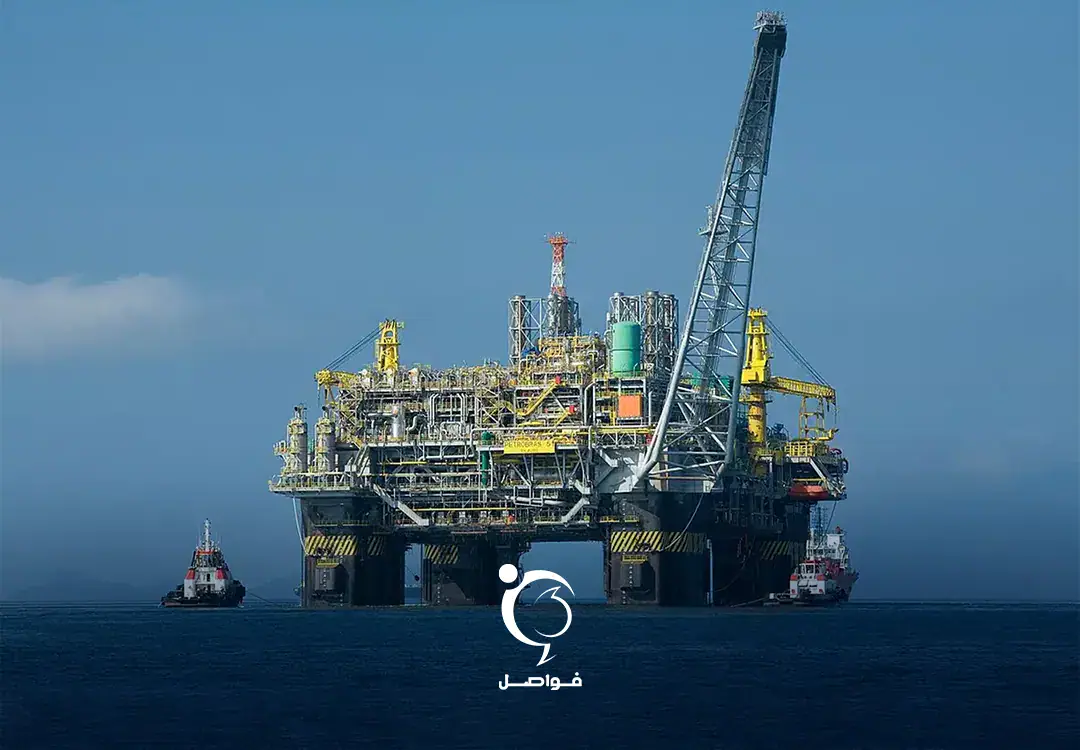
Chevron has commenced seismic surveys in the Ionian Sea and Sea of Kythira, south of the Peloponnese peninsula in Greece. The surveys are being conducted by the research vessel Ramform Tethys on behalf of a Chevron and Hellenic Energy consortium. According to Greek Reporter, the operations are scheduled to continue until January 7, 2027, under a Greek maritime notification. This development has significant implications for the region, particularly given ongoing disputes over maritime jurisdiction.
The surveys are part of a broader effort to explore the region's hydrocarbon potential. Additional surveys are planned for south of the island of Crete in the coming year, including the "South Crete 2" area. This region has been at the center of a maritime dispute between Greece, Turkey, and Libya. The renewed exploration efforts by Chevron are being closely watched by regional players. Greece and Turkey have competing claims to maritime territories in the Eastern Mediterranean.
Chevron's return to Libya after a 15-year absence adds context to its Greek exploration efforts. In February 2026, Chevron secured an exploration concession for the onshore S4 block in the Sirte Basin. This was followed by a production-sharing agreement with Libya's National Oil Corporation in August. The company has also signed memoranda of understanding to study Libya's hydrocarbon potential, including an assessment of the NC146 offshore block.
The agreements with Libya's National Oil Corporation also cover the evaluation of unconventional oil and gas resources in the Sirte, Murzuq, and Ghadames basins. Preliminary estimates suggest that these areas could hold 123 trillion cubic feet of gas and 18 billion barrels of oil. These developments underscore Chevron's strategic interest in the region's energy sector.
The Greek Reporter highlights the significance of Chevron's exploration efforts in the context of regional energy dynamics. The company's activities in Greece and Libya reflect a broader strategy to expand its presence in emerging markets. As the global energy landscape continues to evolve, companies like Chevron are positioning themselves to capitalize on new opportunities.
The planned surveys south of Crete are expected to draw attention from regional players, including Turkey and Libya. The Eastern Mediterranean has become a focal point for energy exploration and production, with several countries vying for access to hydrocarbon resources. The outcome of Chevron's surveys could have significant implications for the region's energy future.
As Chevron proceeds with its exploration efforts, it will be closely monitored by regional governments and industry stakeholders. The company's activities in Greece and Libya reflect a strategic push into new markets, driven by the global demand for energy. The results of its surveys will be closely watched, with potential implications for the region's energy landscape.
Key points
- Chevron's seismic surveys in Greek waters aim to identify potential oil and gas reserves.
- The surveys are part of a broader effort to explore the region's hydrocarbon potential, with additional surveys planned for south of the island of Crete.
- Chevron's return to Libya after a 15-year absence adds context to its Greek exploration efforts, with significant implications for the region's energy sector.
Reporting sources
- شيفرون تبدأ استكشاف إمكانات النفط والغاز جنوب شبه جزيرة بيلوبونيز اليونانية · fawaselmedia.com