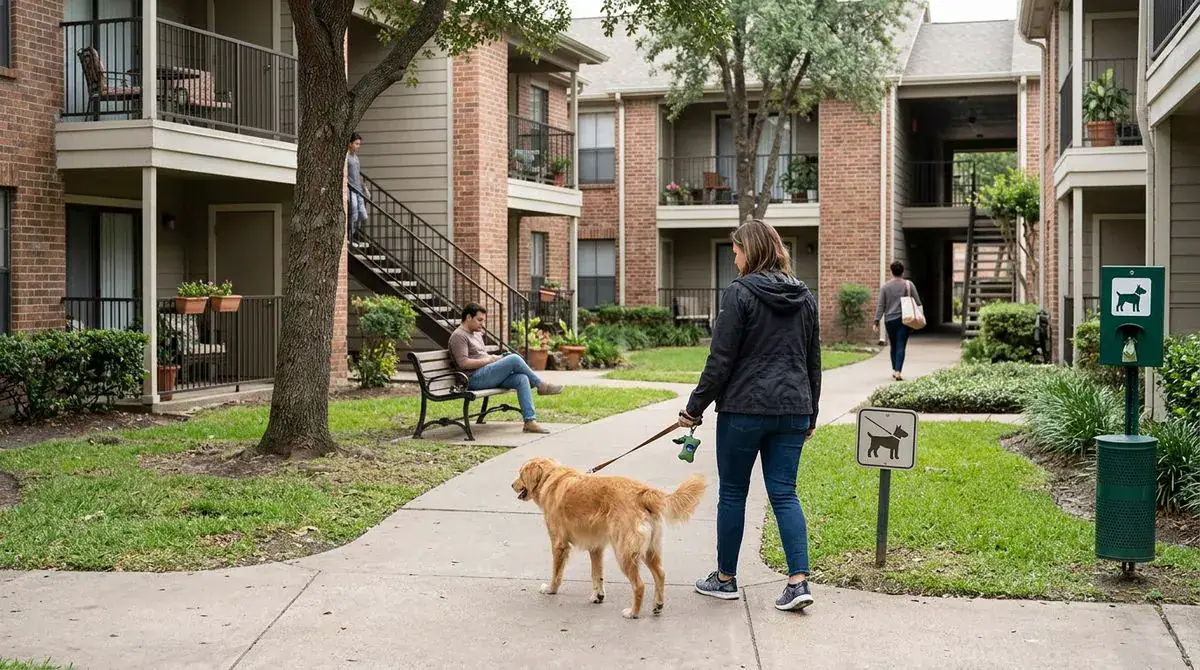
Walking is an accessible way to stay active, requiring minimal equipment, and can be incorporated into daily routines. Many adults over fifty intend to walk more but struggle to maintain the habit beyond a few weeks. A realistic plan, tailored to individual schedules and comfort levels, is crucial for creating a lasting walking habit. This approach prioritizes a gentle start, comfortable pace, and enjoyable routes.
Setting a modest starting point is essential for building a sustainable walking habit. Beginners should start with short, easy walks, such as a loop around the block or a few minutes on a quiet street. This gentle approach helps prevent soreness and reduces the likelihood of quitting due to exhaustion. As the routine becomes established, individuals can gradually increase the duration or distance at a comfortable pace.
Choosing safe and comfortable routes is vital for maintaining a walking habit. Ideal routes are well-lit, have smooth surfaces, and offer resting places. Pavements or paths free from hazards, such as loose stones or broken edges, are preferable. Parks and quiet residential streets are often suitable for new walkers. It's also essential to plan routes with benches, shaded spots, and accessible public restrooms.
Dressing appropriately and being prepared is crucial for a comfortable walking experience. Supportive shoes with good grip help prevent slips, especially on damp or leaf-covered paths. Carrying water on warm days and wearing layers for cool mornings can ensure a pleasant walk. A small bag with essentials, such as a phone, address card, and coins, can be helpful in case of emergencies.
Building motivation gently is critical for sustaining a walking habit. Keeping a simple log of walks, noting dates, routes, and post-walk feelings, can provide encouragement when enthusiasm wanes. Walking with a friend or local group can add social enjoyment and a sense of commitment. Alternatively, listening to favorite radio programs or paying attention to surroundings can make the experience more enjoyable.
Listening to one's body is essential for a safe and sustainable walking habit. Mild tiredness is normal, but sharp pain, dizziness, or chest discomfort are signs to stop and seek medical advice. Individuals with existing health conditions should consult their doctors before starting a new exercise plan and follow guidance on pace and duration. Rest days are also important, allowing the body to recover, especially in the early weeks.
A walking habit is most likely to last when it feels pleasant, safe, and flexible. By starting with a modest plan, choosing enjoyable routes, tracking progress, and respecting bodily signals, individuals can create a sustainable walking habit. Over time, daily walks can become a reliable pleasure, offering fresh air, gentle movement, and a clear mind.
Key points
- A checklist-based approach helps create a sustainable walking habit.
- A gentle start and comfortable pace are crucial for building a lasting walking habit.
- Listening to one's body is essential for a safe and sustainable walking habit.
Reporting sources
- A Checklist for Starting a Walking Habit You Can Keep · Business Times