The struggle for independence in Chechnya bears striking similarities with the experiences of Kenyan families who have lost loved ones to Russia's recruitment efforts. Ahmed Zhakaev, Prime Minister of the independent Chechen Republic of Ichkeria, recently commemorated his country's Independence Day in September, highlighting the ongoing war between Russia and Ukraine as a continuation of Russia's aggression against the Chechen people. Zhakaev's message resonated with the testimonies of Kenyan families affected by Russia's war against Ukraine.
The current conflict in Ukraine was predicted by Dzhokhar Dudaev, the first President of Chechnya, in 1996. Dudaev, who was assassinated in 1996, foresaw Russia's imperialistic ambitions and warned of an invasion of Ukraine through Crimea. In an interview with a Russian TV program in 1995, he noted that Russia's actions in Chechnya were identical to its future actions in other former Soviet states. Zhakaev reflected on Dudaev's vision, emphasizing the Chechen people's determination to preserve their legitimacy and legal foundation as a state.
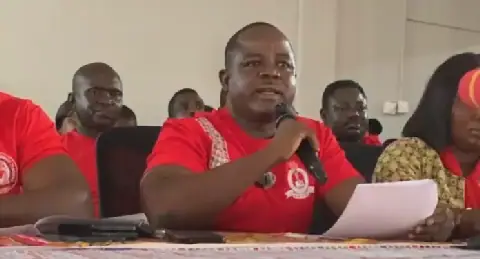
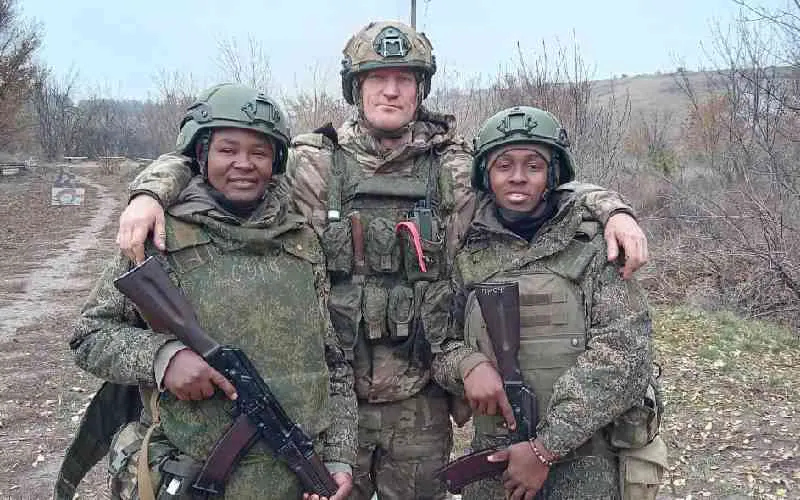
The Chechen experience, although dire, shares similarities with the plight of over 100 Kenyan families who have lost relatives duped into serving in the Russian army. Both have fallen victim to deceptive recruitment tactics. Chechnya, which did not sign the federal treaty with Russia, was unilaterally incorporated into the Russian Federation. Zhakaev argues that this move was criminal and aggressive in nature, as the Chechen Republic was not a signatory to the treaty.
The collapse of the Soviet Union in the late 1980s led to a spate of unpredictable events, including the Chechen people's push for independence. The Chechen-Ingush Republic formalized its dissolution, leading to the creation of the Ingush Republic within the Russian Federation. The Chechens, however, declared their independence, with Dzhokhar Dudayev as their president. On November 1, 1991, Dudayev signed a decree confirming the Chechen people's will for independence.
The Chechen Republic existed for over a year, recognized by both the USSR and the Russian Federation. However, Russia's aggression against Chechnya led to a protracted conflict. Zhakaev's government, now in exile, continues to push for international recognition and independence of the Chechen Republic from Russia. The Chechen people's struggle for self-determination is mirrored in the experiences of Kenyan families who have lost loved ones to Russia's recruitment efforts.
The Standard has learned that Russia's recruitment tactics have affected not only Chechens but also Kenyans and other Africans, who have found themselves fighting against Ukraine. The deceptive recruitment process has led to devastating consequences for the families involved. Zhakaev's message serves as a reminder of the ongoing conflict and the need for international recognition of the Chechen people's right to self-determination.
As the conflict between Russia and Ukraine continues, the experiences of the Chechen people and Kenyan families serve as a testament to the human cost of war. The struggle for independence and self-determination remains a pressing issue, with the international community urged to take note of the Chechen people's plight. The Kenyan government has not officially commented on the recruitment of its citizens into the Russian army, but the issue is expected to be raised in future diplomatic talks.
Key points
- - Chechen independence struggle parallels Kenyan families' experiences with Russian army recruitment - Over 100 Kenyan families have lost relatives duped into serving in the Russian army - Russia's recruitment tactics have affected not only Chechens but also Kenyans and other Africans