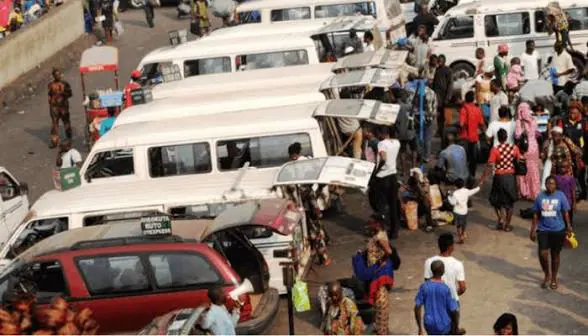
For many Nigerians living in rural communities, transportation is a vital part of daily life, determining whether a farmer can take their produce to the market, a student can attend school regularly, or a patient can reach a hospital on time. The rising cost of transportation in recent years has forced many rural residents to make difficult choices between mobility and other basic needs.
The Federal Government's renewed efforts to reduce transportation costs, including the introduction of CNG buses, are expected to provide relief to commuters. However, concerns exist about whether these initiatives will extend beyond major cities to rural communities where transportation systems are often informal and poorly organised.
Rural transportation in Nigeria faces unique challenges that go beyond the price of petrol or diesel. Many rural communities are connected by poorly maintained roads, damaged by erosion or difficult to navigate during the rainy season, increasing vehicle maintenance costs and travel time. These additional expenses are often transferred to passengers through higher fares.
The high cost of transportation can have severe consequences for farmers, who may be forced to sell their produce at lower prices to middlemen. Students and workers also feel the pressure, with daily commercial transportation costs consuming a substantial amount of family income.
The healthcare sector presents another serious dimension of the problem, as people in remote communities may have to travel long distances to access medical care. When transport fares rise or vehicles become unavailable, patients may postpone seeking treatment, with serious consequences for pregnant women, elderly people, and those requiring urgent medical attention.
While the government's CNG initiative offers a possible solution, cheaper fuel alone cannot solve Nigeria's rural transportation problem. For the policy to make a meaningful difference, CNG availability, vehicle conversion, maintenance facilities, and transportation infrastructure must also reach communities outside major urban centres.
Ensuring that savings made by transport operators are transferred to passengers and that rural communities have a voice in the design and implementation of transportation policies is crucial. Affordable transportation is closely connected to education, healthcare, agriculture, employment, and social development, and its success will ultimately depend on whether it reaches the people who need it most.
Key points
- The government's efforts to reduce transport fares may not benefit rural communities due to unique challenges such as poorly maintained roads and informal transportation systems.
- Cheaper fuel alone cannot solve Nigeria's rural transportation problem; infrastructure and policy considerations are also essential.
- The success of transportation reforms will depend on whether they reach rural communities and address their specific needs.