The Middle East region has experienced substantial transformations over the past three years, particularly since October 7, 2023. According to a strategic analysis by retired Brigadier General Saud Al-Sharafat, the region has not returned to its pre-October 7 state. Instead, it has witnessed an expansion of Israel and Iran's military capabilities and a decline in Arab states' influence on regional events.
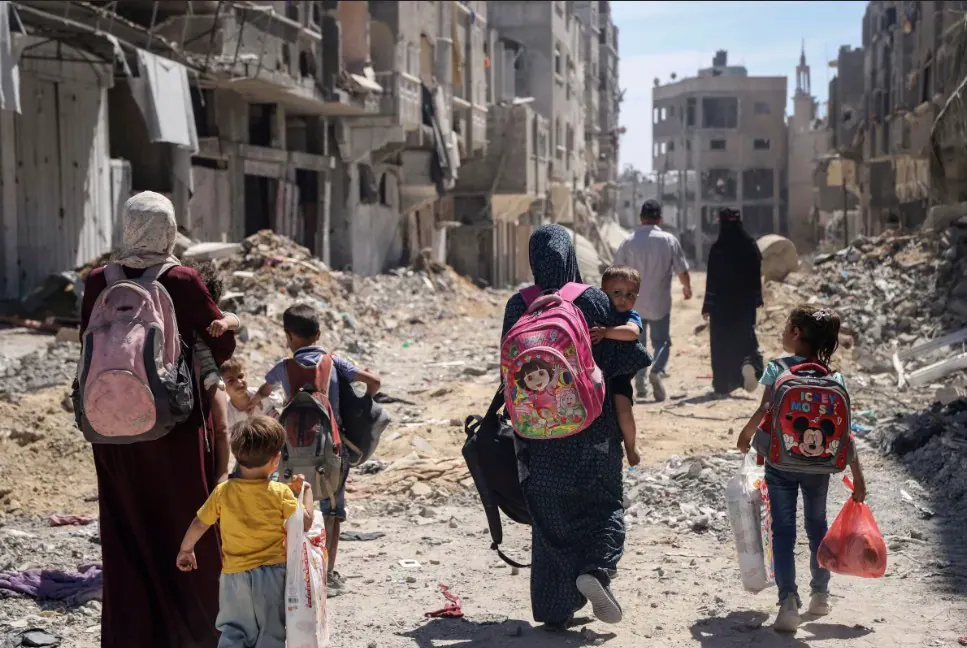
A significant development in the region has been the situation in Gaza. The territory has suffered immense human, urban, and economic devastation. Israel has continued its military operations and control over large areas of the sector. Reports from the United Nations indicate a rapid increase in settlement activities and displacement in the West Bank. The UN has documented thousands of new settlement units and hundreds of incidents related to settler violence and displacement in 2026 alone.
The strategic landscape of the Middle East has changed dramatically since October 7, 2023. The region is now characterized by a significant Arab strategic gap, which Israel, Iran, and international powers are competing to fill. The Palestinian issue remains unresolved, with Gaza and the West Bank facing ongoing challenges. The regional dynamics have become more complex, with various actors vying for influence.
Egypt has been actively enhancing its military capabilities, which has raised questions about its intentions. According to writer Karam Gaber, Egypt's military modernization is aimed at deterring potential threats and protecting its sovereignty. Egypt's historical experiences, including the 1973 October War, have demonstrated the importance of a strong military in maintaining national security and stability.
The Egyptian writer emphasizes that a strong military is not a sign of aggression but rather a necessary component of national security. Egypt's military development is part of a comprehensive approach to protecting the country and its interests. This approach includes economic development, internal stability, and diplomacy. Egypt's experience in combating terrorism has also highlighted the importance of a robust military.
Meanwhile, in Europe, France has been experiencing significant unrest, which has raised concerns about the continent's stability. Writer Ashraf Al-Ajrami notes that the French protests are part of a broader European crisis, characterized by economic challenges, climate change, and deep-seated social issues. The protests in France have been driven by various factors, including education, employment, and fuel prices.
The European crisis is complex and multifaceted, with various factors contributing to the instability. Climate change has had a significant impact on the continent, with rising temperatures and droughts affecting agriculture, transportation, and energy production. The European Union faces challenges in addressing these issues, including bureaucratic hurdles and a lack of consensus among member states.
Key points
- The Middle East has undergone significant changes since October 7, 2023, with a widening strategic gap between Arab states and an increase in Israel and Iran's military presence.
- Egypt has been actively enhancing its military capabilities as part of a comprehensive approach to protecting its national security and interests.
- The European Union faces significant challenges, including economic instability, climate change, and social unrest, which threaten its stability and cohesion.