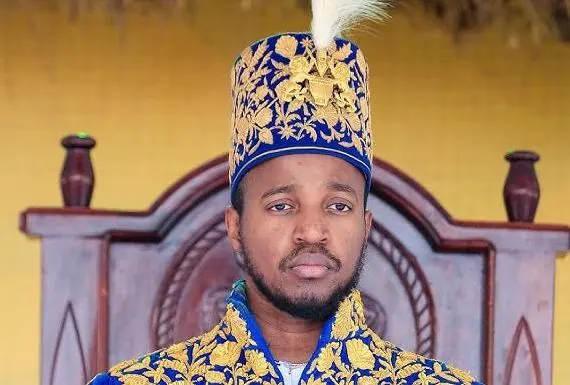
The late King Oyo Nyimba Kabamba Iguru Rukidi IV of Tooro Kingdom spent over a year seeking medical attention in Uganda before his cancer was finally diagnosed. According to Princess Royal Ruth Nsemere Komuntale, Oyo's sister, he experienced persistent pain and visited several hospitals in Uganda, but his symptoms were initially associated with less serious conditions such as ulcers and the effects of strenuous gym training. He was advised to undergo physiotherapy, but his condition did not improve.
Oyo began experiencing back and rib pain in mid-2025 and sought treatment at a hospital in Kampala, where an X-ray did not establish the cause of the pain. When the pain persisted, he underwent physiotherapy, but his condition failed to improve. An orthopaedic specialist later recommended an MRI scan, which was carried out at another medical facility in Kampala. However, the scan also failed to reveal the underlying disease.
The breakthrough in Oyo's diagnosis came after he travelled to Nairobi for further medical assessment at Aga Khan Hospital. More advanced investigations, including a PET scan, eventually revealed that he was suffering from angiosarcoma, a rare and highly aggressive form of cancer. By the time the disease was identified, it had already spread to several organs.
The diagnosis dramatically changed Oyo's medical journey, and he subsequently received specialised treatment outside Uganda, including in Germany and later in the United States. At one point, his family reportedly saw signs of improvement after treatment began. Komuntale said the cancer cells had reduced significantly and that Oyo regained some of his energy.
However, the improvement did not last, and Oyo's condition took a serious turn in July 2026, with the disease continuing to take a toll on his body despite the treatment he had received. King Oyo died in the United States on August 27, 2026, aged 34, after reigning over Tooro for more than three decades.
The case has raised questions about the difficulties doctors can face when dealing with rare cancers whose early symptoms may resemble those of more common illnesses. Angiosarcoma can be particularly difficult to identify because its symptoms can vary depending on the part of the body affected, making early diagnosis challenging.
The account given by the royal family does not establish that any particular Ugandan doctor or hospital committed malpractice but documents a prolonged period during which Oyo sought medical attention without the underlying cancer being identified. His experience has become a point of discussion about the importance of investigating persistent and unexplained symptoms, particularly when initial treatment does not produce improvement.
Key points
- King Oyo's cancer was not diagnosed for over a year in Uganda, sparking discussions on the challenges of diagnosing rare and aggressive diseases.
- The King's symptoms were initially associated with less serious conditions, leading to delayed diagnosis.
- The case highlights the importance of investigating persistent and unexplained symptoms to ensure timely diagnosis and treatment.