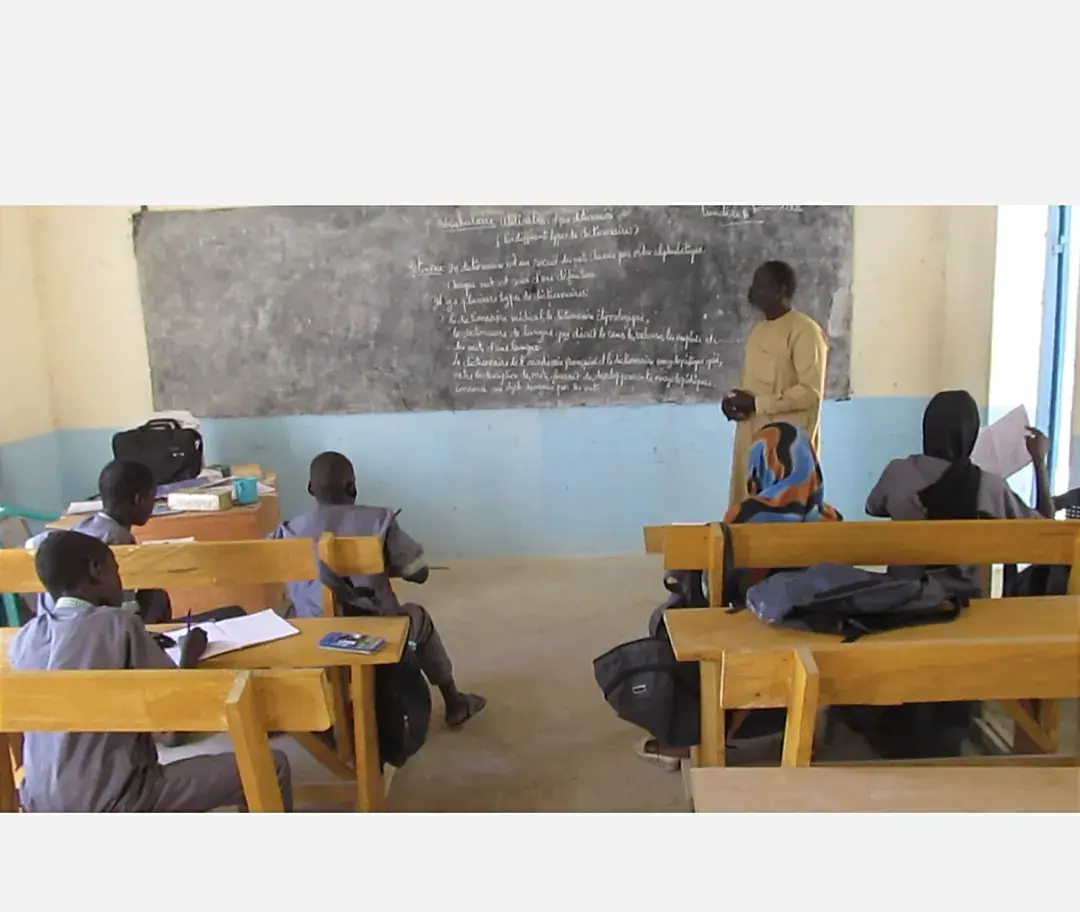
In Mongo, Chad, a single school for deaf children, located within the École pilote B, is struggling with various difficulties that impede its functioning and restrict learning opportunities for its students. The school has only 16 learners, ranging from CEP1 to CM2. This institution calls for increased commitment from parents and authorities to ensure a better future for children living with auditory disabilities.
The school's low enrollment, particularly in the CEP1 class with only two students, is attributed to a lack of awareness among some parents about the importance of educating children with auditory disabilities. This limited access to education is a significant challenge for many deaf children in Mongo. Students are distributed across different levels, from CEP1 to CM2, in this inclusive school.
Beyond low attendance, the school faces several challenges, including a shortage of textbooks and the absence of a boarding facility for deaf students from neighboring villages who do not have parents or guardians in Mongo. Furthermore, there is no adapted college to ensure the continuity of their educational journey after CM2. These obstacles hinder the school's ability to provide quality education to its students.
Tahir Adoum, the head of the school for deaf children in Mongo, has issued a call to parents and competent authorities. He urges them to increase awareness and facilitate the creation of an adapted college for children living with auditory disabilities. This would enable deaf students to continue their education beyond CM2 and build a better future.
Adoum Gassarké, a teacher at the school, emphasizes that the inclusive school was established to provide deaf children with equal learning opportunities as other students and enable them to construct their future. He encourages parents not to keep their deaf children at home but to enroll them in the school, allowing them to learn, grow, and fully participate in social life.
The future of these children in Mongo depends on the collective willingness to open the doors of education to them. Auditory disability should not be an obstacle to instruction or the realization of their dreams. The community must work together to address the challenges facing the school and ensure that deaf children have access to quality education.
The situation in Mongo highlights the need for increased support and resources for schools catering to children with disabilities. By working together, parents, authorities, and educators can create a more inclusive and supportive learning environment for deaf children, enabling them to thrive and reach their full potential.
Key points
- The school for deaf children in Mongo, Chad, faces challenges including low enrollment, lack of resources, and limited educational opportunities beyond CM2.
- The head of the school and a teacher have called for increased awareness and support from parents and authorities to address these challenges.
- The community must work together to ensure that deaf children have access to quality education and equal opportunities for learning and growth.