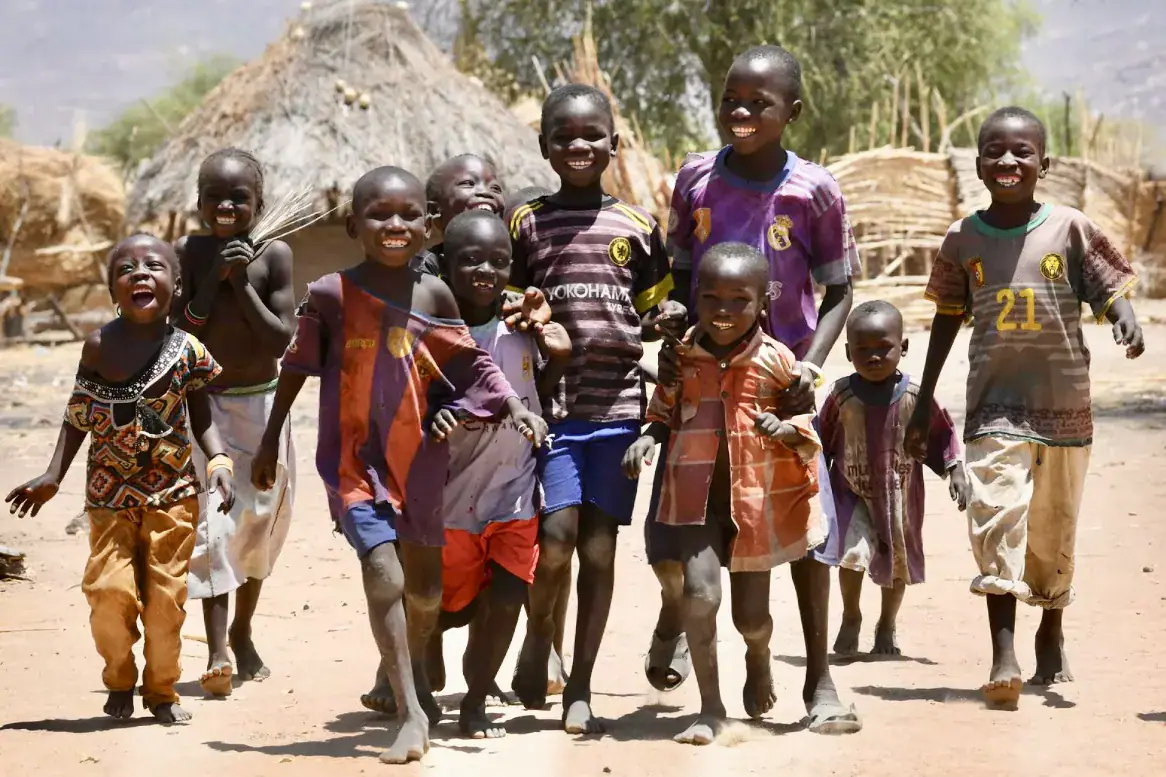
On the occasion of the International Children's Day, celebrated on November 20, UNICEF reports that 1.7 million children under five in Chad will require nutritional assistance in 2026. Of these, over 483,000 will suffer from severe acute malnutrition. This highlights the significant challenges faced by children in accessing basic necessities like food and healthcare.
Education is another area where children in Chad face difficulties. According to UNICEF, over three million children in the country are out of school or have never been enrolled. This staggering number underscores the need for improved educational infrastructure and policies to ensure all children have access to quality education. The situation is further complicated by the prevalence of child labor.
Child labor is a significant concern in Chad, with 45.8% of children aged 5-14 engaged in economic activities, according to the 2024 US Department of Labor report. This estimate is based on data from the 2019 MICS 6 survey. The report highlights the need for stricter laws and enforcement to protect children from exploitation and ensure they can focus on their education.
Birth registration is another challenge in Chad, with many newborns not receiving official recognition at birth. Although the registration rate for children under one has improved from 21% in 2021 to 28% in 2023, much work remains to be done. UNICEF emphasizes the importance of birth registration in ensuring children's rights and access to essential services.
Climate change poses a significant threat to children in Chad, with 10.5 million children exposed to at least three major risks, including drought, extreme heat, and air pollution. These environmental factors can have devastating effects on children's health, food security, and access to clean water. The situation is particularly concerning in a country already struggling to provide basic services.
Despite these challenges, there have been some improvements in healthcare. The coverage of the third dose of the pentavalent vaccine reached 71% in 2025, although this progress is uneven across provinces. UNICEF estimates that 2.5 million children will require humanitarian assistance in 2026, highlighting the need for sustained efforts to address these issues.
To address these challenges, it is essential to strengthen public policies related to nutrition, education, healthcare, and child protection. The Chadian government, with the support of international organizations like UNICEF, must work to ensure that all children have access to their fundamental rights. This will require a concerted effort to improve infrastructure, enforcement, and service delivery.
Key points
- 1.7 million children under five in Chad will require nutritional assistance in 2026.
- Over three million children in Chad are out of school or have never been enrolled.
- 45.8% of children aged 5-14 in Chad are engaged in economic activities.