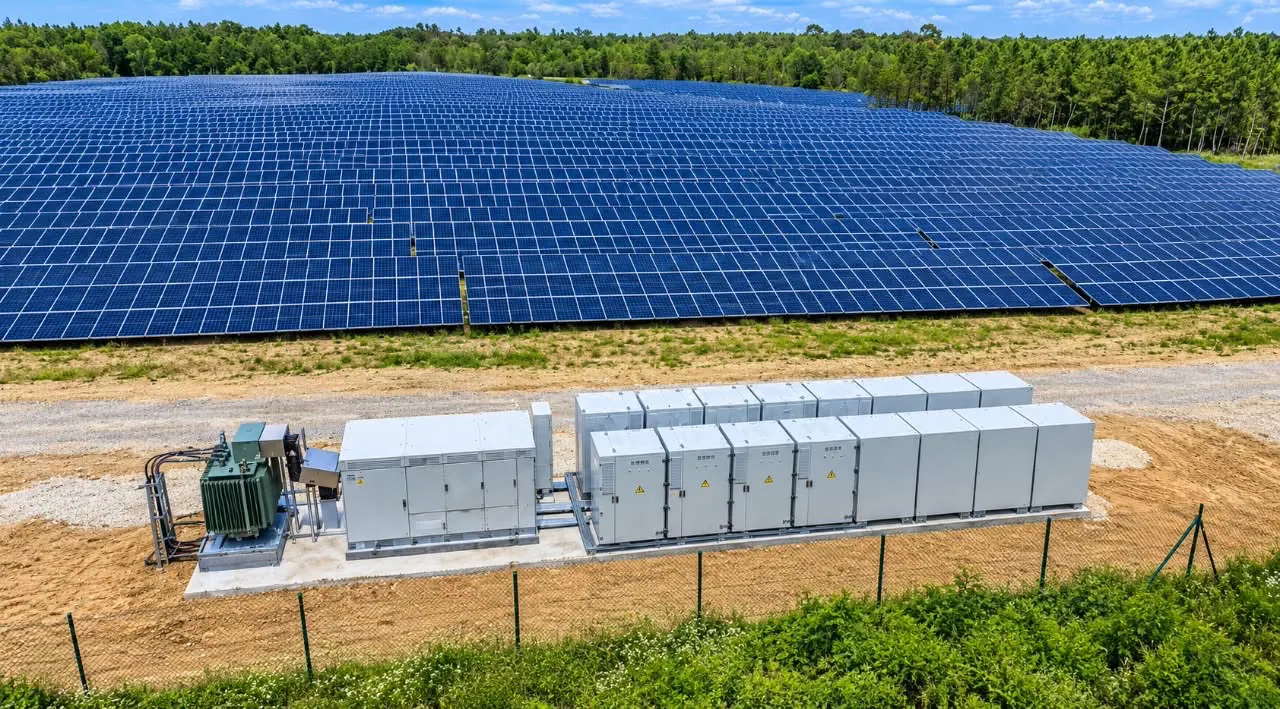
The French group Qair has announced the mobilization of €37.9 million, approximately 25 billion FCFA, to finance two hybrid solar power plants in N'Djamena, Chad. The first disbursement has already been made. The plants, located in Gassi and Lamadji, aim to produce 65 GWh of electricity per year. This project is expected to increase the city's power supply and reduce its reliance on the Djarmaya production system.
The two solar power plants will have a combined photovoltaic capacity of 30 MWc, with each plant generating 15 MWc. The Gassi plant will be located in the 7th arrondissement, while the Lamadji plant will be in the 10th arrondissement. In addition to solar panels, the plants will also feature storage batteries, with 4 MWh of storage capacity at each site, totaling 8 MWh.
According to Qair, the two plants are expected to produce approximately 65 GWh of electricity per year, which will be injected into N'Djamena's power grid. This amount of electricity is equivalent to the annual consumption of around 260,000 people. The project aims to add a new source of power generation to the city's grid while increasing the share of solar energy in Chad's energy mix.
The project was officially launched in May 2025, and the mobilization of financing marks a significant milestone. Qair has partnered with several institutions to secure funding, including the African Development Bank (AfDB) and Proparco, which are each providing €15.2 million in loans. The Sustainable Energy for Africa Fund (SEFA), administered by the AfDB, is contributing €6 million.
The financing package also includes a €1.5 million contribution from Proparco and the French Development Agency (AFD). Additionally, a partial risk guarantee of €8 million has been secured, backed by the African Development Fund and the Green Climate Fund. This guarantee aims to mitigate risks related to payments under the 20-year power purchase agreement between Qair and Tchadelec.
The project represents a significant bet on solar energy for Chad, which has an abundance of sunlight. The Gassi and Lamadji plants will harness this resource to generate electricity, which will be stored in batteries and injected into the grid. The project is expected to improve the reliability and sustainability of N'Djamena's power supply.
The successful implementation of this project could pave the way for further investments in renewable energy in Chad. With its vast solar resources, the country has significant potential for growth in this sector. The Qair project demonstrates the viability of solar energy as a source of power and could serve as a model for future initiatives.
Key points
- Qair secures €37.9 million to finance two hybrid solar power plants in N'Djamena, Chad.
- The plants aim to produce 65 GWh of electricity per year and reduce reliance on the Djarmaya production system.
- The project marks a significant milestone in Chad's transition to renewable energy.