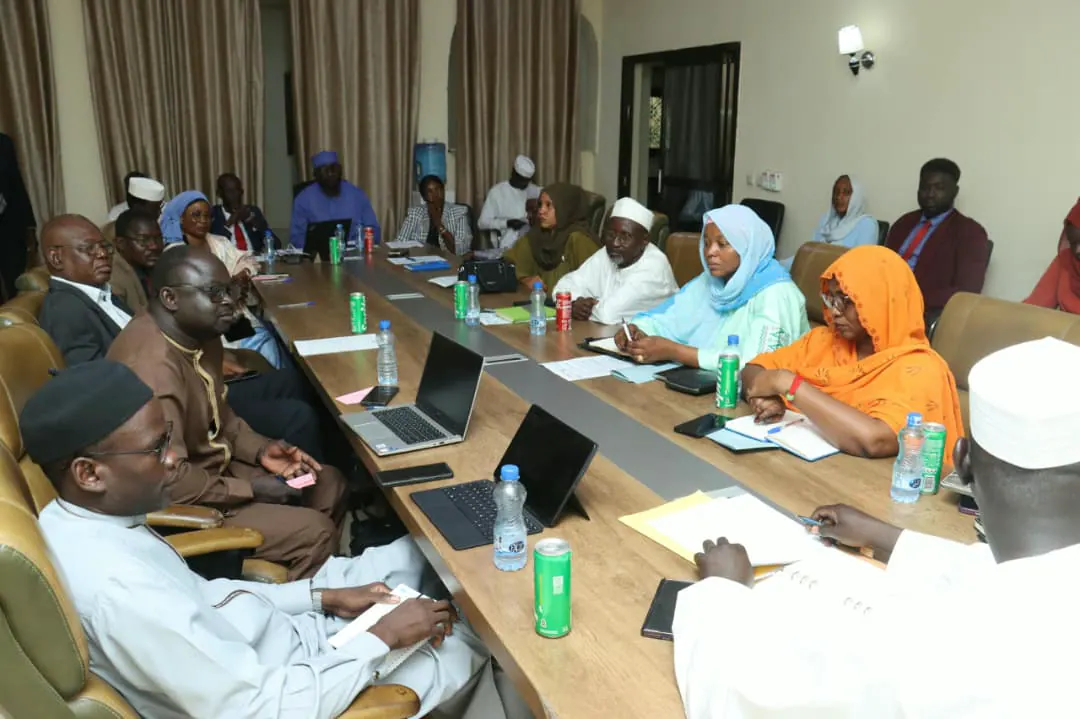
On October 5, 2026, the Union of Chadian Journalists (UJT) met with the Communication, Telecommunications, and Digital Economy Commission of Chad's National Assembly to discuss press reforms. The meeting, chaired by Dr. Abdoulaye Ngarndiguina, focused on challenges facing Chadian press and necessary legislative changes. UJT President Abbas Mahamoud Tahir recalled recommendations from a 2022 workshop on press laws and the National Inclusive and Sovereign Dialogue (DNIS) regarding press freedom.
Tahir expressed regret over the lack of concrete follow-up to these recommendations and advocated for restarting the reform process. The UJT requested that the National Transitional Council re-examine a 2022 bill on journalist safety and protection, which aims to guarantee the free exercise of the profession and strengthen protection for media professionals. The bill consists of four chapters addressing these concerns.
Journalists raised concerns about access to public information, working conditions, irregular and insufficient press subsidies, and the economic fragility of media enterprises. They criticized the government's allocation of advertisements and publicities to international media outlets instead of national ones. The UJT proposed increasing financial aid to the press, ensuring regular disbursements, and adopting a law regulating advertising.
In response, Dr. Abdoulaye Ngarndiguina praised the clarity of the discussions and emphasized the need to strengthen professionalism in the sector through a professional journalist's card and better media regulation. The revival of the Chadian Media Observatory for Deontology and Ethics (ODEMET) was also discussed, with Ngarndiguina inviting the UJT to play a leading role in revitalizing this self-regulatory body.
Participants stressed the importance of balancing journalist protection with respect for deontology and improving media economic conditions. Priorities included developing investigative journalism and providing broader coverage of provincial realities beyond N'Djamena. The meeting concluded with an agreement between the UJT and the parliamentary commission to maintain permanent contact and work towards harmonizing press regulations.
Both parties plan to review existing texts and consider revising them if necessary. They aim to advance the examination of the bill on journalist safety and protection with a view to its adoption. This initiative seeks to address longstanding concerns within Chad's media sector and promote a more favorable environment for journalists and media professionals.
The discussions reflect a shared commitment to enhancing press freedom, safety, and working conditions in Chad. By collaborating, the UJT and the National Assembly aim to overcome existing challenges and implement meaningful reforms. The outcome of these efforts will likely have a significant impact on the country's media landscape and the ability of journalists to perform their duties effectively.
Key points
- - The UJT and Chad's National Assembly are working together to relaunch press reforms. - Key issues discussed include journalist safety, access to public information, and media economic conditions. - Proposed reforms aim to enhance press freedom, professionalism, and the overall media environment in Chad.