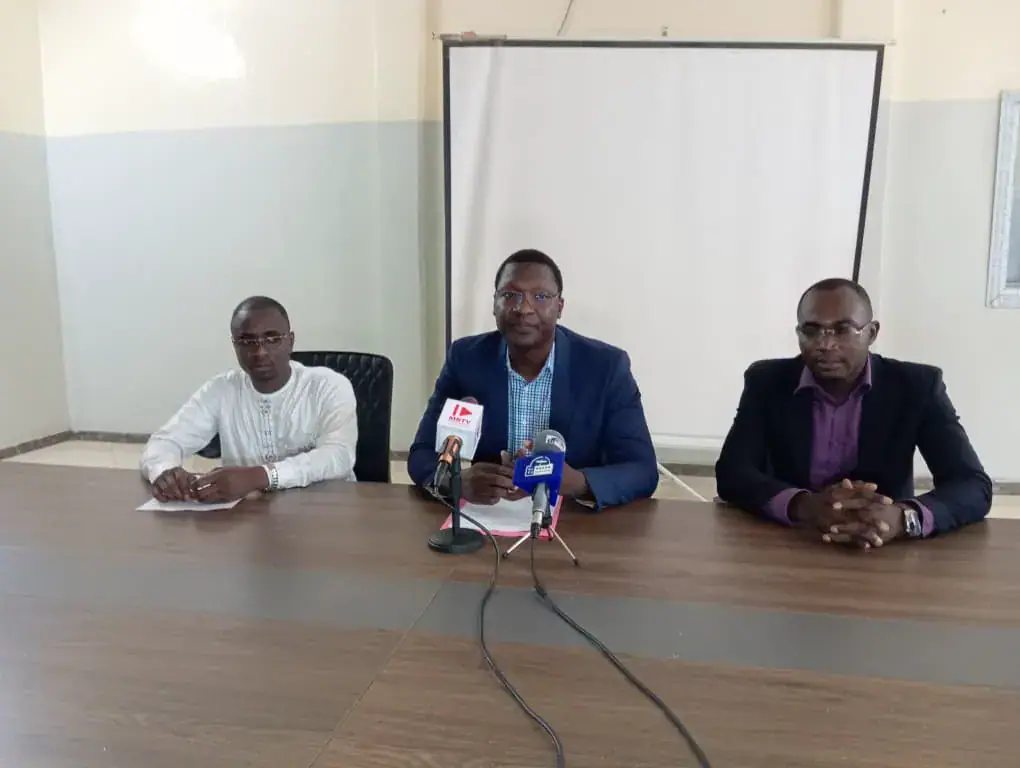
The National Order of Pharmacists of Chad (ONPT) has called on the population to remain calm and vigilant in the face of the current dengue outbreak. In a statement released on November 3, 2026, the ONPT emphasized the importance of respecting prevention and care measures. Dengue is a viral disease transmitted by infected mosquitoes, primarily of the Aedes genus. While most people recover without complications, some cases can develop into severe forms if not properly treated.
The ONPT advises anyone with symptoms such as fever, headache, body aches, or other suspicious signs to quickly consult a healthcare facility for medical evaluation and diagnostic tests. The Chadian government has decided to provide free dengue care in public healthcare facilities, effective November 2, 2026. The ONPT stresses that self-medication is prohibited and can lead to serious complications. Instead, individuals should only take medication on the advice of a healthcare professional.
The ONPT specifically warns against using aspirin, ibuprofen, and other non-steroidal anti-inflammatory drugs when dengue is suspected or confirmed, as they increase the risk of hemorrhagic complications. Paracetamol can be used to treat fever and pain, but only on the recommendation of a healthcare professional. The ONPT also urges the population to recognize signs of severity, such as intense abdominal pain, persistent vomiting, bleeding, respiratory difficulties, or significant weakness, and to seek urgent care.
To prevent transmission, the ONPT recommends using impregnated mosquito nets, wearing protective clothing, using repellents, and maintaining a clean environment. This includes eliminating standing water, emptying or covering water containers, and disposing of old tires and other objects that can serve as mosquito breeding sites. The ONPT emphasizes that not all fevers are caused by dengue, as malaria presents similar symptoms, making medical diagnosis essential.
The ONPT reassures the public that dengue can be cured in the vast majority of cases if diagnosed and treated correctly. According to the World Health Organization (WHO), early recognition of severe signs can reduce lethality to less than 1%. The ONPT reiterates the availability of pharmacists to advise, prevent risky self-medication, and refer suspected cases to healthcare facilities.
The Chadian Ministry of Health has stated that not all deaths recorded in N'Djamena are related to dengue, highlighting the need for accurate diagnosis and treatment. The ONPT's warnings and recommendations come as the country struggles to contain the outbreak. Media outlets have reported restrictions on access to hospitals during the epidemic, exacerbating concerns about the spread of the disease.
The ONPT's efforts aim to mitigate the impact of the dengue outbreak and promote a culture of prevention and responsible healthcare practices. By working together with healthcare professionals, the public can take informed steps to protect themselves and reduce the risk of severe complications. The ONPT remains committed to providing guidance and support to the population during this challenging time.
Key points
- The Chadian government has made dengue care free in public healthcare facilities.
- Self-medication can lead to severe complications, including hemorrhagic complications.
- Early recognition of severe signs can reduce lethality to less than 1%.