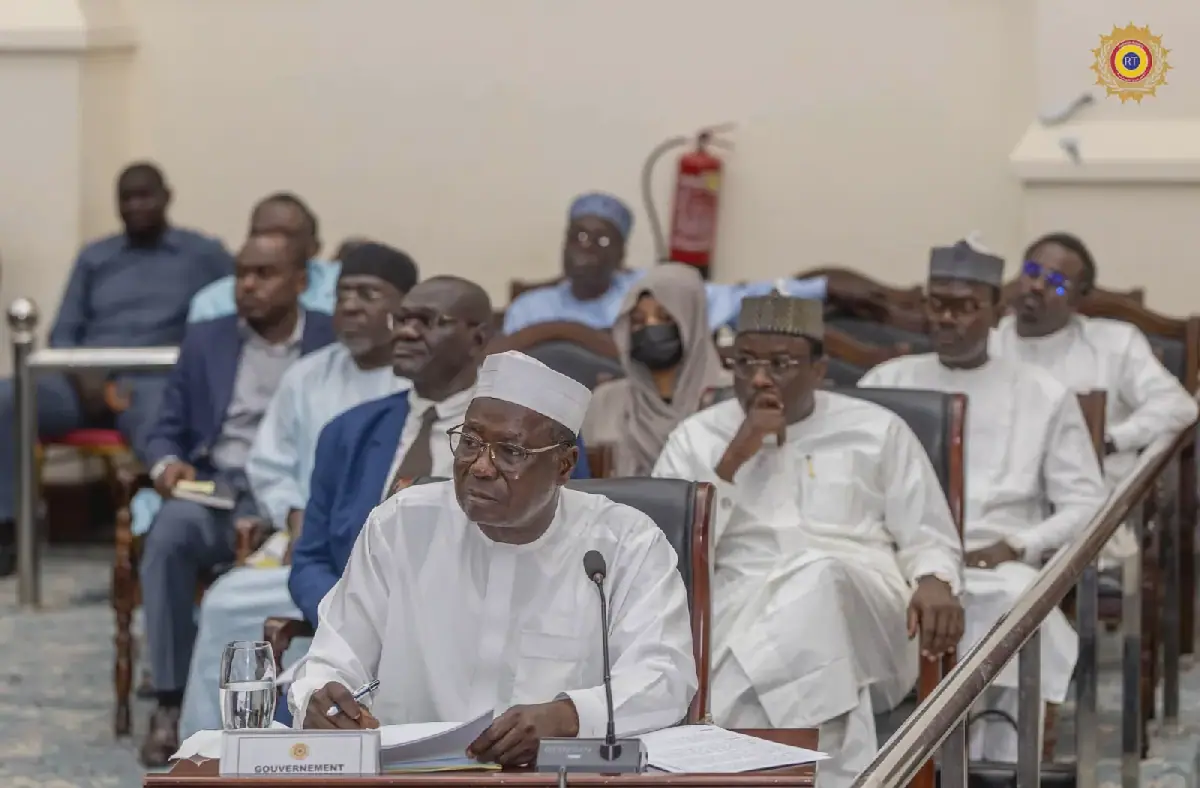
Chad's Minister of Agricultural Production and Industrialization, Keda Ballah, faced criticism from lawmakers on November 9, 2026, regarding the government's response to the country's drought. The questioning, led by Deputy Djibrine Moussa Abdoulaye, focused on the deficit in rainfall and its impact on the population. The session was chaired by the President of the National Assembly, Ali Kolotou Tchaïmi.
The debate highlighted concerns about the 2026 agricultural campaign, the government's strategy to address declining rainfall, and measures to preserve agricultural production and ensure food security. Deputies expressed frustration with the ministry's statistics, calling them "abstract" and unreflective of concrete actions taken to address the challenges faced by producers and rural populations.
Some lawmakers described the ministry as a "ghost ministry," citing a lack of tangible results and inadequate responses to the current agricultural campaign's difficulties. They urged the government to move beyond announcements and statistical data to provide urgent and adapted solutions to the affected communities. Deputy Djibrine Moussa Abdoulaye emphasized the responsibility of lawmakers to their constituents, stating that if the government fails to meet its commitments, it is the deputy who faces criticism.
In response to the criticism, Minister Keda Ballah defended his department's actions, stating that the government is working to find concrete solutions to mitigate the effects of the drought. He acknowledged that several challenges remain to be addressed in the agricultural sector. The minister admitted that no official evaluation of the 2026 agricultural campaign is yet available but noted that his services are working to collect and process the necessary data for a reliable assessment.
The interpellation took place amid concerns about the impact of insufficient rainfall on agricultural activities and the risk of food insecurity. It highlighted the government's capacity to anticipate and respond to the consequences of the climate shock and support producers. The questioning also underscored the need for the government to provide more concrete actions to address the challenges faced by the agricultural sector.
The criticism from lawmakers reflects a broader concern about the government's response to the drought and its impact on the population. The situation has sparked a renewed focus on the need for effective measures to mitigate the effects of climate change and ensure food security in Chad. The government's response to these concerns will likely have significant implications for the country's agricultural sector and its people.
The National Assembly's scrutiny of the government's response to the drought demonstrates its commitment to holding the executive accountable for its actions. The outcome of this interpellation and the government's subsequent actions will be closely watched by the public and may have far-reaching consequences for the country's agricultural sector and its people.
Key points
- Chad's parliament criticizes government's drought response for lacking concrete actions.
Reporting sources
- Agriculture : les députés réclament des actes, pas des chiffres · Le Ndjam Post