The commune of Pala in Chad has taken a significant step towards environmental conservation by launching an initiative to create a charter for biodiversity, green spaces, and urban forests. This move is part of a broader effort to address the pressing issues of deforestation, desertification, and loss of green spaces in the area. The initiative, supported by the Association d'appui aux communes du Tchad (AAC-Tchad) and the commune of Pala, seeks to develop a participatory, scientifically grounded, and budgeted charter for sustainable management of biodiversity and green spaces by 2035.
The project, titled "Dignité et Résilience : Mako Ma Pala," aims to engage the local community in the development and implementation of the charter. According to Gbeudebné Honorine, head of the "Résilience et Dignité : Mako Ma Pala" project, a degraded living environment makes it impossible to talk about dignity and resilience. She emphasizes that the charter should not be just a document but a commitment from every inhabitant of Pala. This approach underscores the importance of community involvement in environmental conservation efforts.
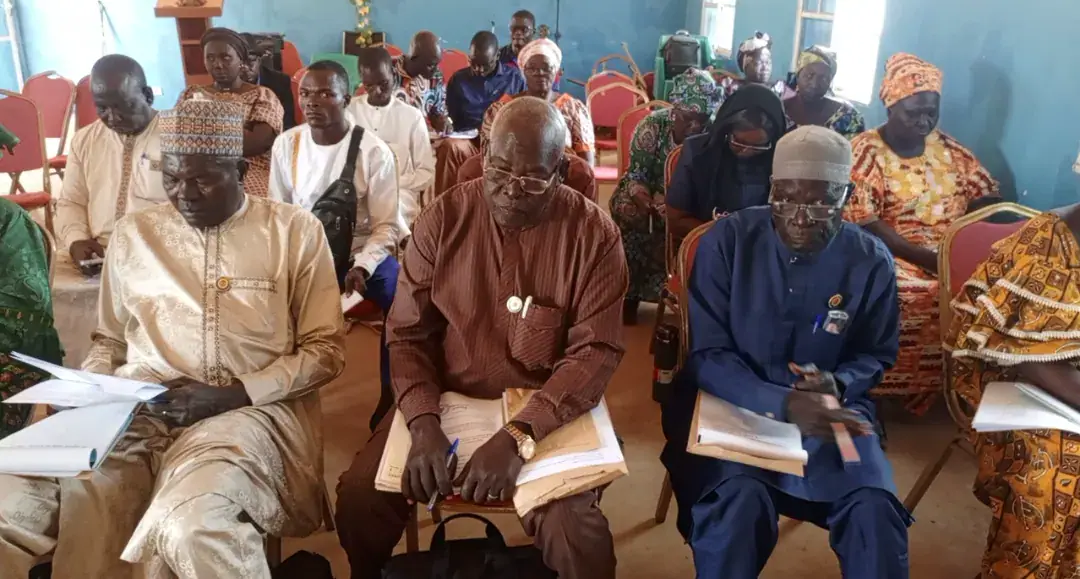
The launch of the charter initiative was marked by a workshop attended by about fifty participants, including traditional leaders, youth and women's leaders, representatives from environmental and urban services, and technical partners. The workshop, which took place at the Pala town hall on October 27, 2026, provided a platform for stakeholders to discuss and adopt the charter. The event was opened by Dr. Armi Jonas, the mayor of Pala, who highlighted the commune's rapid demographic and economic growth and the accompanying environmental challenges.
Mayor Dr. Armi Jonas stressed that the "Mako Ma Pala" project aims to empower citizens to become actors in their commune's development. He noted that while Pala's growth is a positive development, it also brings significant environmental challenges, including deforestation, soil degradation, and the effects of climate change. The mayor emphasized that environmental preservation is no longer a secondary responsibility but a necessity for protecting the living environment, preserving biodiversity, and securing a better future for current and future generations.
The charter initiative is part of a broader strategy to promote sustainable development and resilience in Pala. By engaging the community and stakeholders in the development of the charter, the commune hopes to create a comprehensive and inclusive plan for environmental conservation. The charter is expected to provide a framework for the sustainable management of biodiversity, green spaces, and urban forests, ultimately contributing to the well-being of the local population.
The project "Dignité et Résilience : Mako Ma Pala" reflects a collaborative approach to addressing environmental challenges in Pala. By working together with local stakeholders, the commune aims to develop effective solutions to pressing environmental issues. The initiative also underscores the importance of community ownership and participation in environmental conservation efforts, recognizing that the success of such projects depends on the active engagement of local residents.
As Pala moves forward with its charter initiative, the commune is expected to face ongoing challenges related to environmental degradation and sustainability. However, with the commitment of local stakeholders and the support of partners like AAC-Tchad, there is optimism that the charter will provide a valuable framework for promoting environmental conservation and sustainable development in the region.
Key points
- The commune of Pala in Chad has launched a charter initiative to preserve biodiversity and green spaces, aiming to address environmental degradation and promote sustainable development.
- The initiative is part of the "Dignité et Résilience : Mako Ma Pala" project, which seeks to engage the local community in environmental conservation efforts.
- The charter is expected to provide a framework for the sustainable management of biodiversity, green spaces, and urban forests in Pala by 2035.