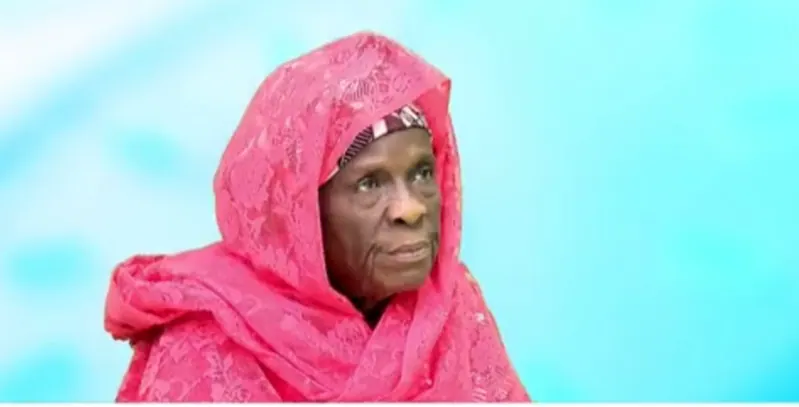
In the past, N'Djamena, formerly known as Fort-Lamy, was a city where residents lived in harmony, sharing meals and offering help to one another. The social fabric was strong, transcending ethnic, religious, and clan affiliations. However, this sense of community has given way to mistrust and individualism, leaving some residents nostalgic for the past. Asma Gassim, president of the Association of Lamy-Fortains and N'Djaménois, laments the loss of this cohesive social structure.
According to Asma Gassim, certain practices that have emerged over the years have contributed to the erosion of social cohesion in N'Djamena. She believes that the concept of "chef de race" or racial leaders has created divisions among residents. In the past, generations lived in harmony, with neighborhood relationships considered a form of kinship. Gassim notes that today's residents have become aggressive and withdrawn, straying from the values of their ancestors.
The evolution of social relationships in N'Djamena is particularly evident in proximity relationships. The bonds that once created a sense of community have begun to fray, giving way to mistrust and tensions. Asma Gassim expresses her disappointment, stating that the current state of affairs does not reflect the Chad she knows and loves. She recalls the peaceful nature of the old Fort-Lamy and emphasizes her opposition to the current state of social relations.
Asma Gassim's sentiments highlight a broader question: how can trust be rebuilt among citizens, and how can neighborhoods become spaces of solidarity rather than mistrust? The challenge now is to preserve the values of sharing, respect, and mutual aid that once characterized life in the capital. Gassim's association has been working to promote unity and celebrate the city's cultural heritage.
The Association of Lamy-Fortains and N'Djaménois has been actively promoting the values of community and social cohesion. By organizing events and activities, the association aims to bring residents together and foster a sense of belonging. Asma Gassim emphasizes the importance of reviving the spirit of community that once defined Fort-Lamy.
The decline of social cohesion in N'Djamena has significant implications for the city's residents. As mistrust and individualism grow, community relationships suffer. Efforts to rebuild trust and promote solidarity are essential to restoring the city's former sense of community. Asma Gassim's advocacy for unity and cooperation serves as a reminder of the importance of preserving social bonds.
Ultimately, the story of N'Djamena's lost sense of community serves as a reflection of the challenges facing many urban centers. As cities grow and evolve, it is essential to prioritize social cohesion and community relationships. By learning from the past and working towards a more harmonious future, residents of N'Djamena can rebuild their community and restore the values that once defined their city.
Key points
- The city's former sense of community and cooperation has given way to mistrust and individualism.
- Asma Gassim's association is working to promote unity and celebrate the city's cultural heritage.
- Rebuilding trust and promoting solidarity among citizens is crucial to restoring the city's former sense of community.