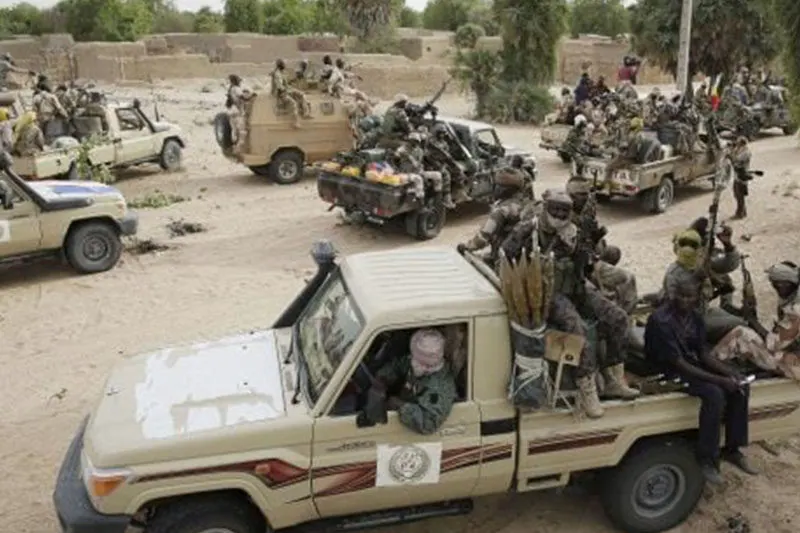
The crisis in Chad's Lac province has deepened, with armed attacks, kidnappings, forced displacements, and loss of livelihoods affecting communities. Between 2025 and 2026, the security situation continues to deteriorate, forcing families to abandon their villages, and fishermen and farmers to work in fear of attacks. The violence has become a way of life, transforming habits and means of subsistence. Villages are being vacated, and families are displaced, making daily activities like fishing and farming high-risk occupations.
According to the Global Protection Cluster, 356 protection incidents were recorded in the Lac province during the first quarter of 2025, compared to 615 during the same period in 2024. These incidents include physical assaults, assassinations, kidnappings, looting, destruction of property, and gender-based violence. A significant 56% of these incidents occurred during agricultural activities, and 21% during fishing, highlighting that populations are exposed to violence while trying to work and provide for their families.
The impact of the violence on livelihoods is evident, with Mbodou Moustapha recalling how the attacks have made it a life-or-death decision to venture onto the lake for fishing. The violence directly targets means of subsistence, making it challenging for families to survive. An attack attributed to Boko Haram on July 16, 2025, on Gomirom Island, resulted in the deaths of several fishermen and farmers, including women and children. This incident illustrates the reality that areas where people seek their income are also those where they are exposed to armed groups.
For families relying on fishing or agriculture, avoiding these areas is not always possible. The security crisis is compounded by environmental challenges, including changes in the lake's water level. The Global Protection Cluster reports that rising waters have displaced around 20 villages, affecting approximately 2,520 people in the Fouli department and Ngouboua area. The fluctuations in the lake's level, siltation, and retreat of certain islands also undermine agriculture, market gardening, fishing, commerce, and livestock.
The situation has created a cycle of vulnerability, with populations facing both environmental consequences and violence from armed groups. The rising waters can facilitate the movement of armed groups, further exacerbating the crisis. As the situation continues to deteriorate, the humanitarian needs of the affected populations are likely to increase. The impact on the local economy is also significant, with many livelihoods disrupted or destroyed.
The authorities and humanitarian organizations are working to respond to the crisis, but the situation remains challenging. The Global Protection Cluster and other organizations are providing support to affected populations, including protection services, food assistance, and livelihood support. However, more needs to be done to address the root causes of the crisis and provide sustainable solutions to the affected communities.
As the crisis in Lac province continues to unfold, the international community is urged to provide support to Chad and the affected populations. The situation requires a comprehensive response that addresses both the security and humanitarian aspects of the crisis. With the situation likely to continue deteriorating, it is essential that the international community provides timely and adequate support to mitigate the impact of the crisis on the affected populations.
Key points
- 356 protection incidents were recorded in the Lac province during the first quarter of 2025.
- The crisis has resulted in the displacement of around 20 villages, affecting approximately 2,520 people.
- The violence has directly targeted means of subsistence, making it challenging for families to survive.