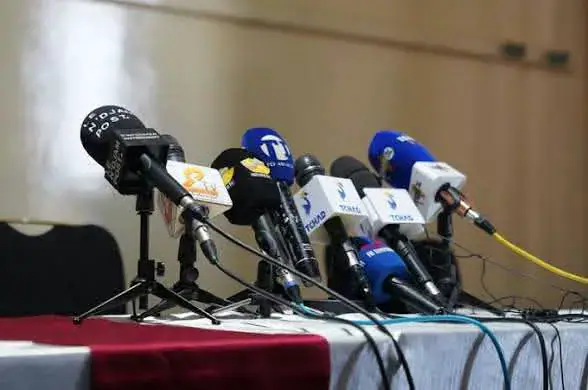
In Chad, the exercise of journalism is a high-risk profession. Every year on November 2, the world remembers Ghislaine Dupont and Claude Verlon, two RFI correspondents assassinated in Kidal in 2013. The country has laws that protect freedom of information, but in reality, journalists face surveillance, interrogations, arrests, and sometimes violence. The 2010 Press Code abolished prison sentences for press offenses, but the 2019 cybercrime law exposes online journalists to arbitrary arrests and detention.
The situation has worsened over time, with increased surveillance of journalists covering sensitive topics, particularly since the December 2023 referendum and in 2025. In April 2025, the head of state accused certain media outlets of being paid and supported by foreign powers to tarnish the country's image. This has led to a more challenging environment for journalists, with many facing intimidation and threats. In February 2024, Malick Mahamat Tidjani, coordinator of the Alwihdainfo website, was beaten up by men on motorcycles in N'Djamena.
The most shocking incident occurred on March 1, 2024, when Idriss Yaya, a journalist from the Radio communautaire de Mongo, was killed at his home, along with his wife and four-year-old son. He had previously received threats and was attacked due to his coverage of intercommunal conflicts in Guéra. His name had been mentioned on a Facebook page as a source of information on the illegal acquisition of arms. Nine people were arrested on March 2, but according to Reporters Without Borders, his death, along with that of two other journalists between 2022 and 2024, had not been investigated by the authorities.
In March 2025, Olivier Monodji, director of publication of the weekly Le Pays and RFI correspondent, was arrested, along with two other journalists, Ndilyam Guekidata and Mahamat Saleh Alhissein. The prosecutor suspected them of complicity with the paramilitary group Wagner, but Reporters Without Borders considered the case to be unfounded and believed they should not have been arrested. The Union of Chadian Journalists expressed concern about the slow pace of the investigation.
On July 2, 2025, the special court in N'Djamena rejected their request for provisional release. In August 2026, the family of journalist Aimée Dolinassou reported that she had gone missing, and a call for mobilization was launched. On August 18, the Chadian Press Patronage expressed its deep concern and called on all stakeholders to find her safe and sound.
The most visible violence does not tell the whole story, as pressure is also exerted daily, more discreetly but just as effectively. In 2025, the N'Djamena prosecutor's office threatened to prosecute any journalist who conducted independent investigations. This has created a climate of fear among journalists, who are already vulnerable to intimidation and violence.
The situation of journalists in Chad highlights the need for greater protection and support for those exercising this profession. The international community has expressed concern about the situation, and organizations such as Reporters Without Borders continue to monitor the situation and advocate for the rights of journalists.
Key points
- Chad's journalists face high levels of violence, intimidation, and arbitrary detention.
- The country's laws protecting freedom of information are often not enforced in practice.
- The situation has worsened over time, with increased surveillance and violence against journalists.