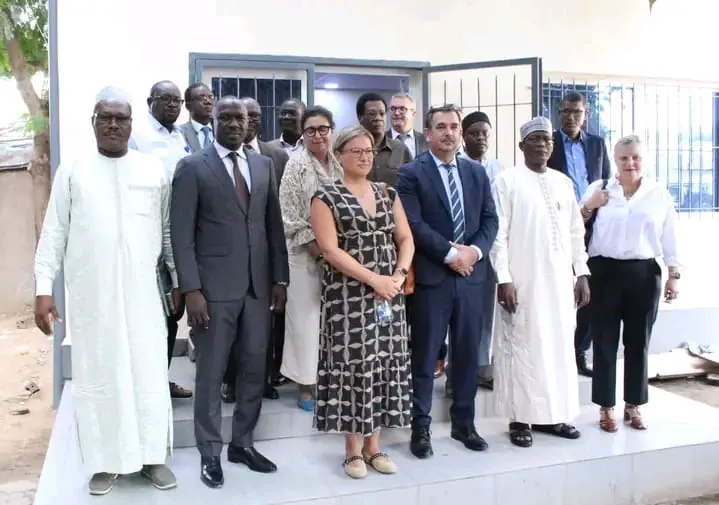
On October 1, 2026, the Independent Anti-Corruption Authority (AILC) of Chad engaged in discussions with a mission from the International Monetary Fund (IMF), led by Pierre Kerjean. The meeting, which took place at the AILC, focused on the mechanisms for preventing and combating corruption in Chad. This encounter is part of a governance diagnostic initiated by the IMF to identify vulnerabilities that could impact the effectiveness of Chad's national anti-corruption framework.
The talks centered on several aspects of the AILC's operations and mandates, including the national strategy for combating corruption, challenges faced by the institution, and results achieved so far. The procedures for investigations and inquiries were also examined. Furthermore, the risk mapping of corruption and the legal framework governing anti-corruption efforts were discussed. The IMF delegation showed interest in potential adjustments that could enhance the efficacy and impact of existing measures.
The AILC, represented by its General Controller, Nédéou Teubdoyo Gérard, presented the mechanisms in place to tackle corruption, highlighting the difficulties encountered in the field. The institution's efforts to prevent, detect, and combat corrupt practices were detailed. The discussions aimed to address concerns raised by IMF experts regarding the current anti-corruption setup in Chad.
This meeting is a crucial step in the IMF's diagnostic process on Chad's governance. The IMF mission seeks to understand the strengths and weaknesses of the country's anti-corruption framework. By engaging with the AILC, the IMF aims to gather insights that will inform its assessment and recommendations for strengthening Chad's anti-corruption mechanisms.
The challenges faced by the AILC in its fight against corruption were a significant focus of the discussions. The institution's ability to effectively prevent and combat corruption is critical for improving governance and attracting investment. The IMF's involvement underscores the importance of international cooperation in addressing corruption.
At the conclusion of the talks, the IMF mission is expected to contribute to the development of a comprehensive understanding of Chad's governance landscape. This will include recommendations for enhancing the national anti-corruption framework. The AILC's engagement with the IMF reflects Chad's commitment to transparency and accountability.
The outcome of these discussions will be crucial in shaping the future of anti-corruption efforts in Chad. The collaboration between the AILC and the IMF has the potential to yield significant benefits for the country's governance and development.
Key points
- The AILC and IMF discussed strategies to strengthen Chad's anti-corruption framework.
- The meeting aimed to identify vulnerabilities in Chad's anti-corruption mechanisms.
- The IMF's diagnostic process will inform recommendations for improving Chad's governance.