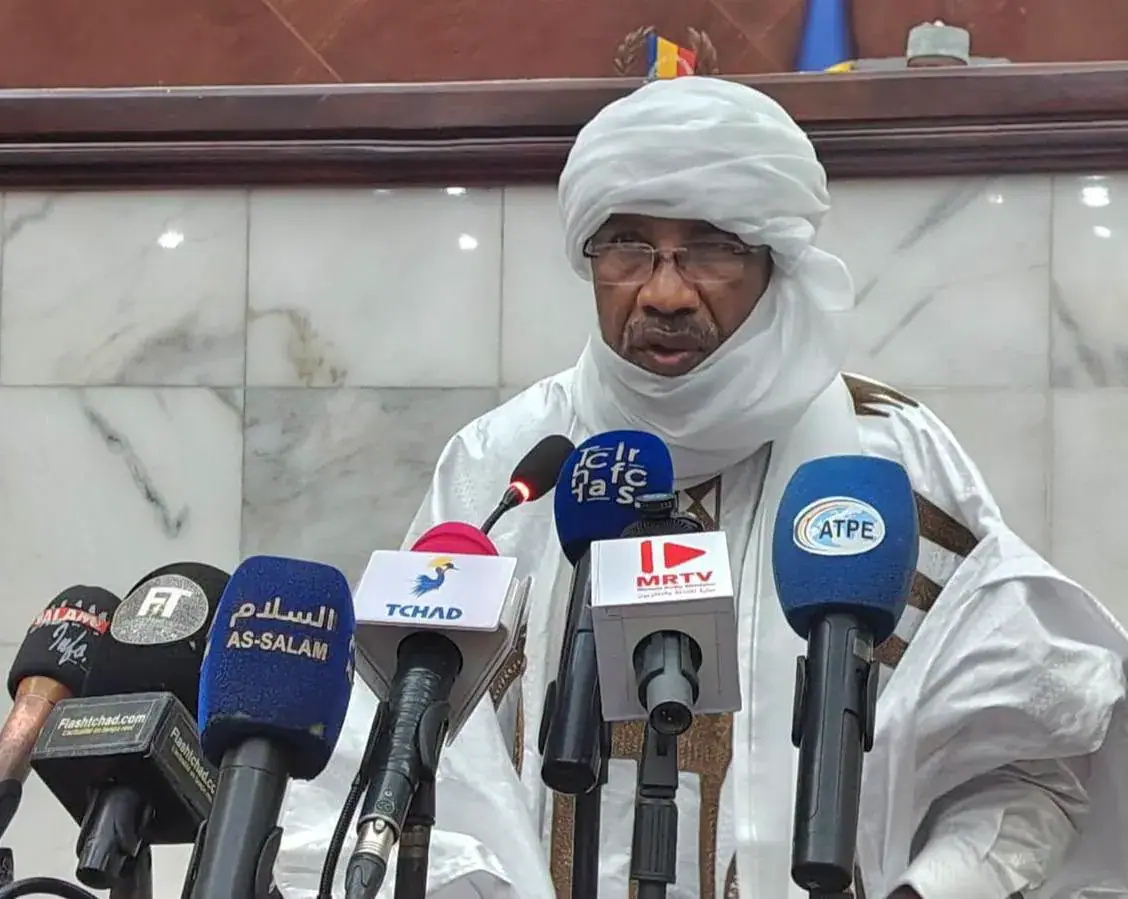
Chad's Minister of Public Health and Prevention, Abdelmadjid Abderahim Mahamat, acknowledged on Wednesday that numerous deaths have occurred within communities, but emphasized that it is impossible to attribute these deaths to the dengue epidemic without medical confirmation. During a session at the National Assembly, Mahamat addressed concerns about the country's health situation, which has been marked by a worrying increase in mortality rates.
Mahamat defended the reliability of official statistics, which are based on confirmed cases in healthcare facilities and validated by a scientific committee. According to the latest update on November 3, the epidemic has officially claimed 18 lives, with 353 confirmed cases and 6,275 suspected cases reported. This represents an increase from the previous report, which stated 14 deaths and 5,571 suspected cases.
The minister stressed that deaths recorded outside healthcare facilities cannot be automatically attributed to dengue. He urged the population to quickly consult healthcare facilities in case of symptoms and to avoid self-medication, which can worsen patients' conditions. Mahamat's statements come amid growing concern in N'Djamena, where hospitals are facing an influx of patients and an increase in burials has been reported in several cemeteries.
Data from municipal services accessed by Tchadinfos reveals that over 2,000 burials took place at the Lamadji cemetery alone in October, averaging more than 67 per day. While these numbers encompass all causes of death and do not directly link to dengue, they highlight the gravity of the situation. The minister reiterated the need for scientific evidence before attributing any death to the epidemic.
The situation in Chad has raised concerns about the potential for the dengue epidemic to spread further. The country's healthcare system is facing significant challenges in responding to the crisis, with hospitals struggling to cope with the influx of patients. The government has urged calm and emphasized the importance of seeking medical attention promptly.
The Order of Pharmacists has also weighed in on the issue, advising against self-medication and reminding the public that healthcare services are free. The organization has expressed concern about the potential for the epidemic to worsen if not addressed promptly. As the situation continues to unfold, the government and healthcare professionals are working to contain the outbreak and provide support to affected communities.
The World Health Organization and other international partners are likely to be involved in efforts to combat the epidemic. For now, the focus remains on providing medical care to those affected and preventing further spread of the disease. The government's efforts to address the crisis will be closely watched in the coming days and weeks.
Key points
- The minister emphasized the need for scientific evidence before attributing deaths to the dengue epidemic.
- Over 2,000 burials took place at the Lamadji cemetery in October, with an average of more than 67 per day.
- The government has urged calm and emphasized the importance of seeking medical attention promptly.