Chad is grappling with a severe health crisis as dengue and malaria cases surge, leading to a significant increase in deaths. The situation is particularly dire in the capital, N'Djamena, and other provinces, where hospitals are overflowing, and families are struggling to access healthcare. Despite the gravity of the situation, the government's response has been criticized as inadequate, with many questioning the official death toll of 14, reported on October 26.
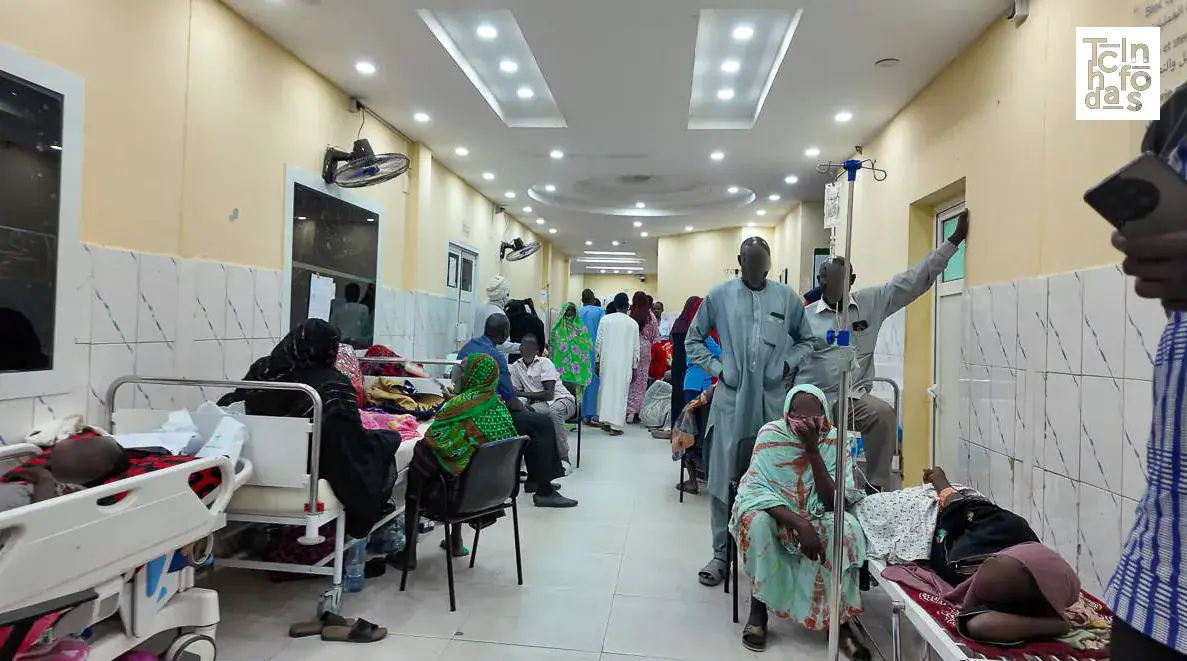
The crisis has been exacerbated by the rainy season, which has brought an increase in malaria cases, and the emergence of dengue fever. In many neighborhoods, residents have reported seeing long queues at hospitals and health centers, with some patients being forced to lie on the floor due to a lack of space. The situation is further complicated by the fact that many deaths are not being recorded, with some occurring at home or in rural areas, away from health facilities.
According to reports from local agents responsible for cemetery management, between 50 to 80 burials are taking place daily in N'Djamena's main cemeteries. This number does not account for those buried in outlying neighborhoods and surrounding areas, where families often conduct their own burials. In one mosque in N'Djamena, 26 bodies were presented for funeral prayers on October 30 alone, highlighting the scale of the crisis.
The Chadian government has faced criticism for downplaying the severity of the crisis, with many arguing that the official death toll is grossly underestimated. The government has been accused of failing to provide transparent and accurate information, which is essential for responding effectively to the crisis. In contrast, local authorities and health workers have called for urgent action to address the crisis, including a comprehensive investigation into the causes of the surge in deaths.
In response to growing criticism, the Prime Minister conducted an unannounced visit to several hospitals in N'Djamena, where he witnessed firsthand the influx of patients and the challenging conditions. However, it remains unclear what concrete actions the government will take to address the crisis, including mobilizing additional resources, establishing a national crisis cell, or launching a public awareness campaign.
The situation is further complicated by the threat of Ebola in the region, with the government assuring that it is taking precautions. However, many argue that the government should focus on addressing the current health crisis rather than preparing for a potential future threat. The municipality of N'Djamena has initiated mosquito control operations, but these efforts are seen as insufficient to address the scale of the crisis.
The health crisis has also highlighted broader governance issues in Chad, including the need for more effective coordination and communication between government agencies and with the public. The crisis has also raised concerns about the government's priorities, with some arguing that the authorities are more focused on reporting on their achievements than addressing the urgent needs of the population.
Key points
- The Chadian government faces criticism for its response to the health crisis, with many arguing that it has downplayed the severity of the situation and failed to provide adequate support to affected communities.