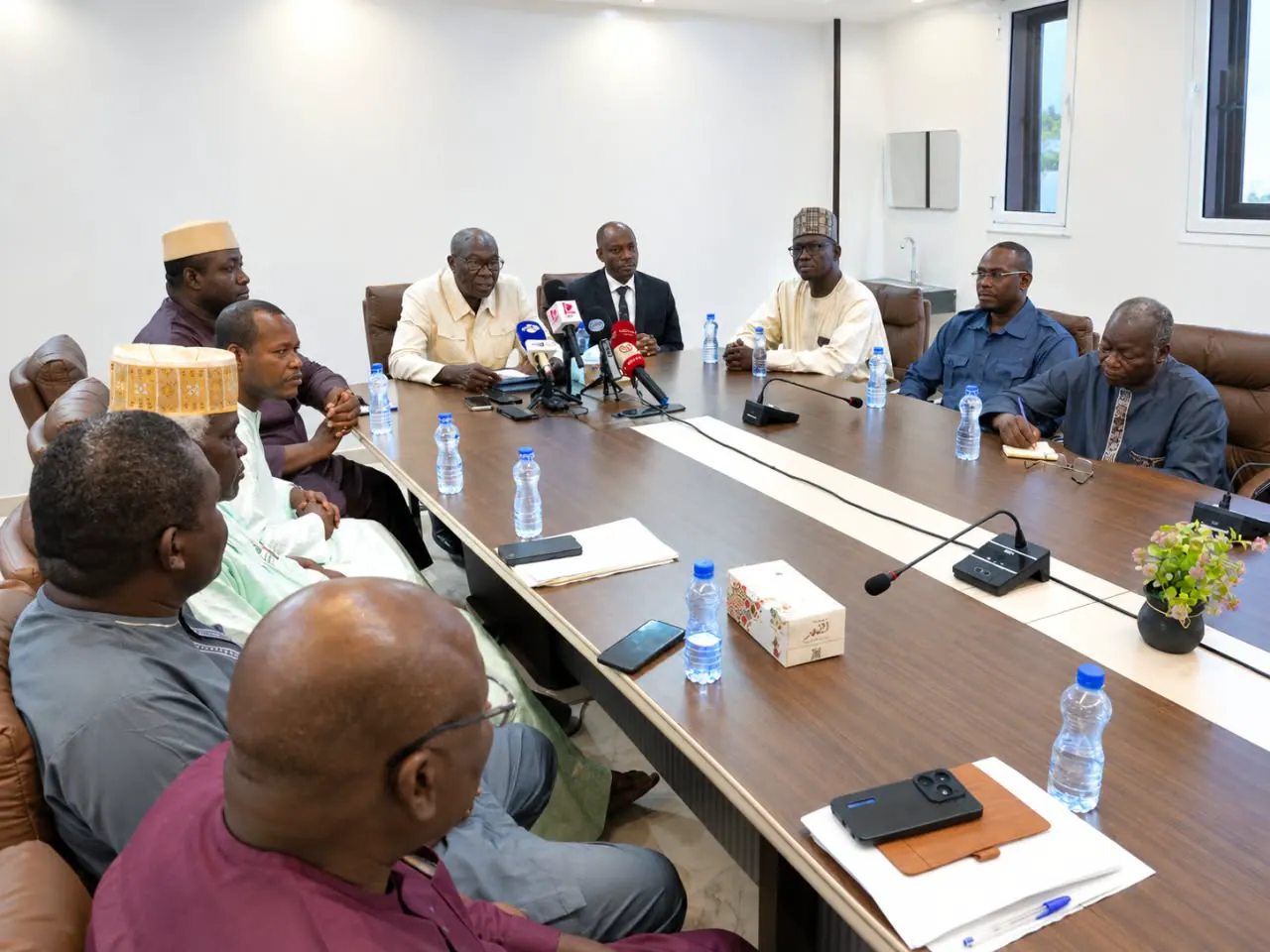
Chad's École nationale supérieure des travaux publics (ENSTP) has announced the introduction of two new programs for the 2026-2027 academic year. The programs aim to address the country's infrastructure and energy needs. The new offerings include a bachelor's degree in electrical and energy engineering and a master's degree in topography and geomatics. This development was announced by the school's Director General, Pr Koina Rodoumta, during a press conference on October 1, 2026.
The new programs are designed to respond to the needs of Chad's job market. The country currently relies heavily on fossil fuels and biomass, but has significant potential for solar, hydraulic, and biomass energy. However, there is a shortage of qualified personnel to harness these resources. The ENSTP aims to address this gap by providing training in electrical engineering, renewable energy, and energy management.
The bachelor's program in electrical and energy engineering will equip students with the skills to design and install electrical networks, master automation and power electronics, work on renewable energy, and maintain equipment. Graduates can pursue careers as senior technicians, maintenance managers, solar technicians, or entrepreneurs. They can also pursue further studies at the master's level.
The master's program in topography and geomatics will focus on measurement, mapping, and spatial analysis. The curriculum will cover topics such as GPS and remote sensing, photogrammetry, geographic information systems, cadastre, and land management. This program aims to provide students with advanced skills in spatial data analysis and management.
The ENSTP, which celebrated its 60th anniversary last year, trains professionals for both the public and private sectors. The introduction of these new programs aligns with Chad's national development plan, "Tchad Connexion 2030". The school promises to provide students with practical training, internships, partnerships with companies, and support in finding employment.
The ENSTP's Director General, Pr Koina Rodoumta, emphasized the importance of these new programs in addressing Chad's infrastructure and energy needs. He highlighted the potential for growth in the country's energy sector and the need for qualified personnel to harness these resources. The school aims to produce graduates who can contribute to the country's development.
The school's administration has yet to communicate details on admission requirements, program duration, available places, tuition fees, and the start date for the new programs. Prospective students and stakeholders will need to contact the school directly for this information. The success of these new programs will depend on their implementation and the school's ability to deliver on its promises.