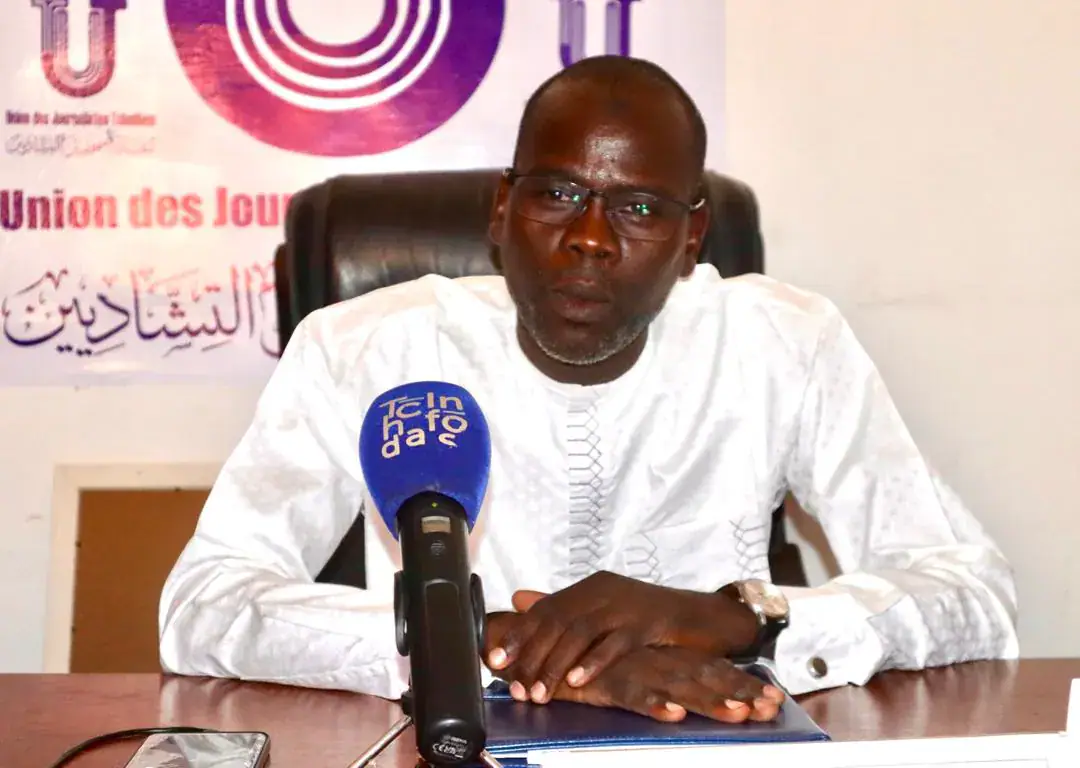
The Electronic Media Association of Chad (AMET) expressed concerns on Monday about restrictions imposed on journalists seeking to report from healthcare facilities in N'Djamena, the capital city. The restrictions come as the country grapples with a dengue fever outbreak. AMET called on the Ministry of Public Health to enhance transparency and facilitate access to information. The association's president, Bello Bakri Mana, signed a statement highlighting the challenges faced by its members in accessing healthcare facilities and gathering information on the country's epidemiological situation.
According to AMET, some hospital officials have received instructions from the Ministry of Public Health's communication department to restrict access to private media outlets and limit interviews with healthcare officials. The association believes these restrictions will contribute to the spread of misinformation, particularly regarding the number of cases and deaths, as well as the capacity of healthcare facilities to provide care.
The association argued that these restrictions undermine the public's right to information and may exacerbate the situation. AMET urged the Minister of Public Health and Prevention to intervene personally to ensure equal access to health information and enable journalists to report from the field under clear guidelines, while respecting medical confidentiality and patient dignity.
If concrete measures are not taken, AMET threatened to call on its members to suspend coverage of activities related to the Ministry's institutional communication, while continuing to perform their media role on public health issues of general interest. This stance comes as healthcare facilities in the capital are experiencing a significant influx of patients due to the dengue fever outbreak and growing concerns about reported deaths in recent weeks.
The restrictions have sparked concerns about the potential for misinformation to spread, especially in the context of a rapidly evolving health crisis. By limiting access to information, the government may inadvertently fuel speculation and undermine public trust in the healthcare system.
The situation in Chad highlights the delicate balance between protecting public health and ensuring the free flow of information. As the country navigates the challenges posed by the dengue fever outbreak, the role of a free and independent press in providing accurate and timely information to the public has become increasingly important.
The international community is watching closely as Chad responds to the outbreak, and the government's handling of the situation will likely have implications for the country's reputation and relationships with international partners. The Electronic Media Association of Chad's call for greater transparency and access to information is a crucial step towards ensuring that the public is well-informed and that the government is held accountable for its response to the crisis.
Key points
- The Electronic Media Association of Chad (AMET) denounces restrictions on journalists' access to hospitals amid a dengue fever outbreak.
- AMET urges the Ministry of Public Health to enhance transparency and facilitate access to information.
- The association threatens to suspend coverage of Ministry activities if concrete measures are not taken.