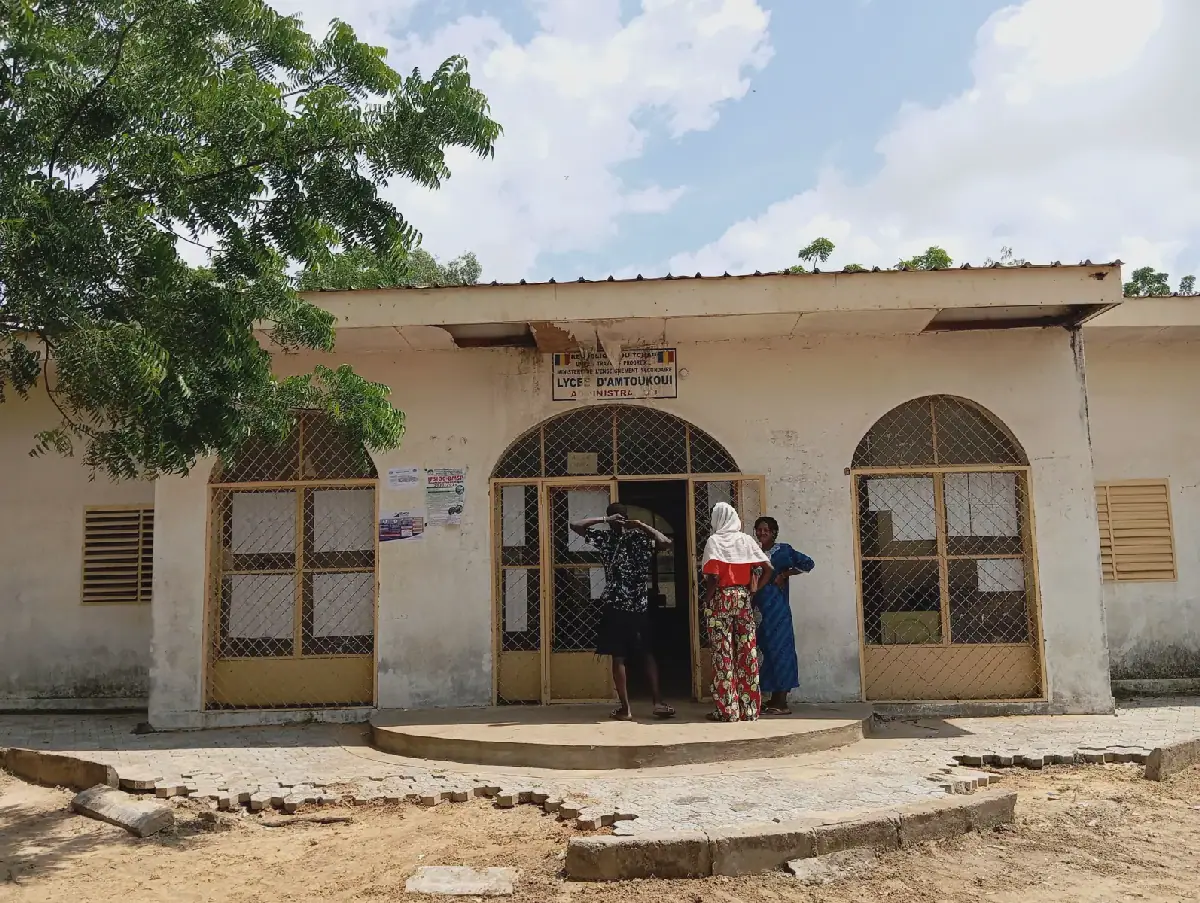
The Chadian Ministry of Education has issued a circular letter dated October 30, 2026, signed by Minister of State Dr. Mahamat-Ahmad Alhabo, prohibiting the transfer of students in 3rd and terminal classes from one school to another. This measure applies to both public and private schools across the country and is effective immediately. The ministry justifies this decision as necessary to ensure the stability of educational pathways and prepare students for official exams.
The ban aims to prevent what the ministry describes as "school nomadism," particularly in exam classes. However, this move has been met with criticism from parents and students who argue that it does not take into account the specific situations of certain families. Abakar Zakaria, a parent from N'Djamena's 6th arrondissement, says his daughter had previously failed the baccalaureate exam in a private high school. Due to financial and family reasons, he had planned to send her to his brother's place in Doba to continue her studies and retake the exam in better conditions.
The new regulation has blocked Zakaria's plan, forcing him to enroll his daughter in two schools simultaneously so she can take the exam in her old school. He believes the decision should have included exceptions for specific cases to avoid penalizing students like his daughter who find themselves in an administrative impasse. Similarly, Djimadoum Allègre, a terminal student, expresses his indignation against the measure, citing the realities faced by many Chadian families, such as moving, family support outside the capital, or grade repetition.
An anonymous teacher from N'Djamena's Walia high school also criticizes the ban, arguing that it may have the opposite effect of what is intended. The teacher believes that the ministry should have established a derogation commission for social cases instead of imposing a total ban. This rigidity, according to the teacher, may push some parents to enroll their children under false names or in two schools at once, further falsifying student numbers and exam lists.
This ban is part of a series of measures aimed at disciplining the education system. A similar circular had already been issued in July 2026 by the West Academy rector for schools in N'Djamena, Chari-Baguirmi, and Hadjer-Lamis. The new note extends the scope of this ban to the entire national territory. Parents of affected students are calling on the authorities to review the application modalities to avoid turning a stabilization measure into an additional obstacle to academic success.
The decision has sparked a heated debate among stakeholders, with some arguing that it will help to ensure the integrity of the exam process, while others believe it will unfairly penalize students who are facing difficult circumstances. As the academic year progresses, it remains to be seen how this ban will be implemented and what impact it will have on students and schools across Chad.
The ministry's efforts to discipline the education system have been welcomed by some, but the ban on student transfers has highlighted the challenges of balancing administrative needs with the realities faced by students and families. As the situation continues to unfold, stakeholders are urging the authorities to engage in a more nuanced discussion about the best way to support students and ensure the quality of education in Chad.
Key points
- The ban on student transfers in exam classes aims to prevent "school nomadism" and ensure the stability of educational pathways.
- The measure has sparked criticism from parents and students who argue that it does not take into account the specific situations of certain families.
- The ban is part of a series of measures aimed at disciplining the education system, but its implementation has raised concerns about its impact on students and schools.