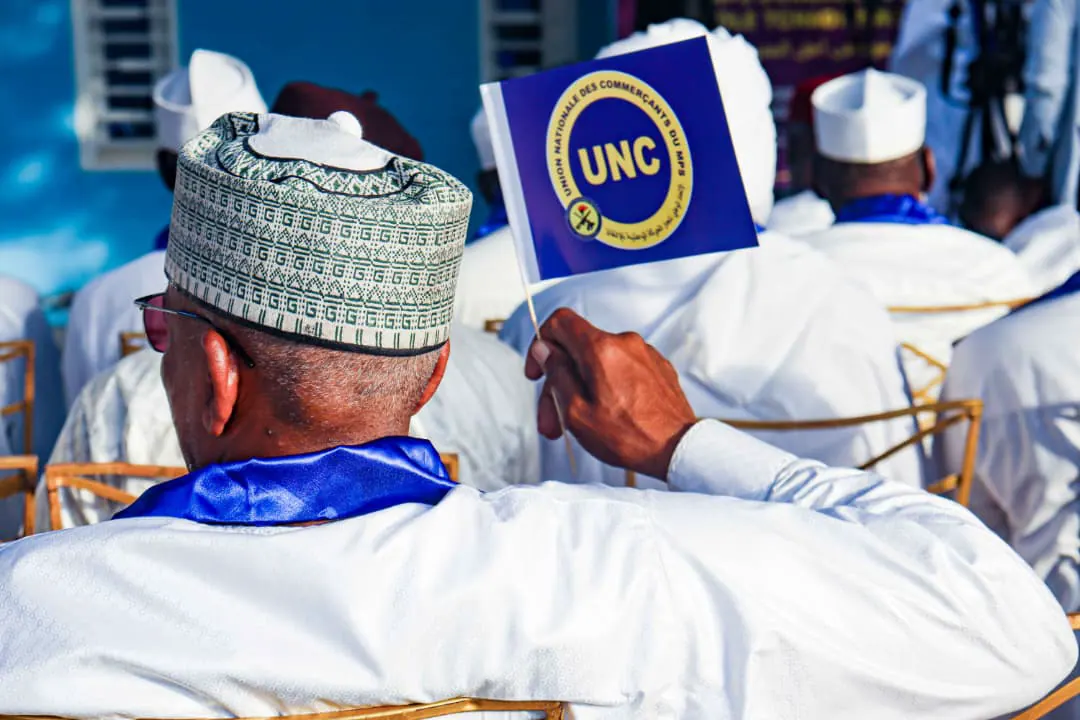
On October 9, 2026, the National Union of Merchants of the Patriotic Salvation Movement (UNC MPS) in Chad initiated a nationwide campaign to support the country's education system. This effort aims to address the deplorable state of public schools, as highlighted by President Mahamat Idriss Déby Itno during his visit to N'Djaména on September 30, 2026. The President had expressed concern over the poor conditions of schools, including dilapidated classrooms, libraries without books, and laboratories lacking equipment.
The President's visit to the Troupe Children's School and Félix-Éboué High School on the eve of the 2026-2027 academic year revealed alarming conditions that hinder learning. In response, he called on Chadians, both within the country and in the diaspora, to contribute to improving school infrastructure. The UNC MPS has taken this appeal to heart, deciding to launch a concrete action plan. The union's president emphasized that saving Chad's education system is a collective responsibility, stressing that no one can afford to remain indifferent.
The campaign, led by the UNC MPS, involves the rehabilitation and equipping of public schools across the country's provinces, based on identified needs. The organization plans to collaborate with the Ministry of National Education and Civic Promotion to pinpoint priority areas. Economic operators will then be able to choose, on a voluntary basis, one or more intervention zones. This initiative aims to rally the active forces of the organization around a common goal: to rapidly improve the learning environment.
The condition of Chad's schools has long been a concern, with many establishments struggling with inadequate infrastructure. The UNC MPS's initiative seeks to address some of these shortcomings by focusing on tangible actions. By engaging economic operators and working closely with educational authorities, the union hopes to make a noticeable difference. The challenge lies in transforming this momentum into visible results for students and teachers, ensuring that efforts translate into functional classrooms, equipped laboratories, and accessible libraries.
Key to the success of this campaign will be the level of engagement and resources mobilized. The UNC MPS must now clarify the contributions expected from its members and other stakeholders, as well as outline a detailed intervention schedule. Ensuring concrete commitments, rigorous monitoring, and measurable achievements will be crucial in saving Chad's education system. The situation demands urgency, with the future of thousands of students and the country's development at stake.
Chad's education sector faces significant hurdles, including a shortage of qualified teachers, inadequate infrastructure, and limited resources. The UNC MPS's campaign could mark a turning point if it succeeds in galvanizing nationwide support and mobilizing substantial resources. By focusing on the rehabilitation and equipping of schools, the initiative addresses a critical aspect of the sector's challenges. However, long-term sustainability and impact will depend on continued commitment and effective collaboration between all stakeholders.
As the campaign unfolds, its progress and outcomes will be closely watched by various stakeholders, including parents, teachers, and international partners. The UNC MPS's efforts could serve as a model for other sectors and countries facing similar challenges. Ultimately, the success of this initiative will hinge on the collective efforts of Chadians from all walks of life, working together to safeguard and enhance their national education system.
Key points
- The UNC MPS aims to mobilize economic operators to contribute to the rehabilitation and equipping of public schools across Chad's provinces.
- President Mahamat Idriss Déby Itno launched a national appeal for support following his visit to poorly maintained schools in N'Djaména.
- The campaign's success depends on translating momentum into tangible results, including functional classrooms and equipped laboratories.