The agricultural campaign in Chad's Bohobé sub-prefecture is experiencing difficulties due to a rainfall deficit. To assess the situation and gather concerns from producers, Sub-prefect Doumhassem Gedéon organized a meeting on September 26, 2026, in the Marabé canton. The gathering brought together local leaders, village heads, ferrick leaders, religious leaders, and representatives from the National Agency for Rural Development (ANADER) of South-East.
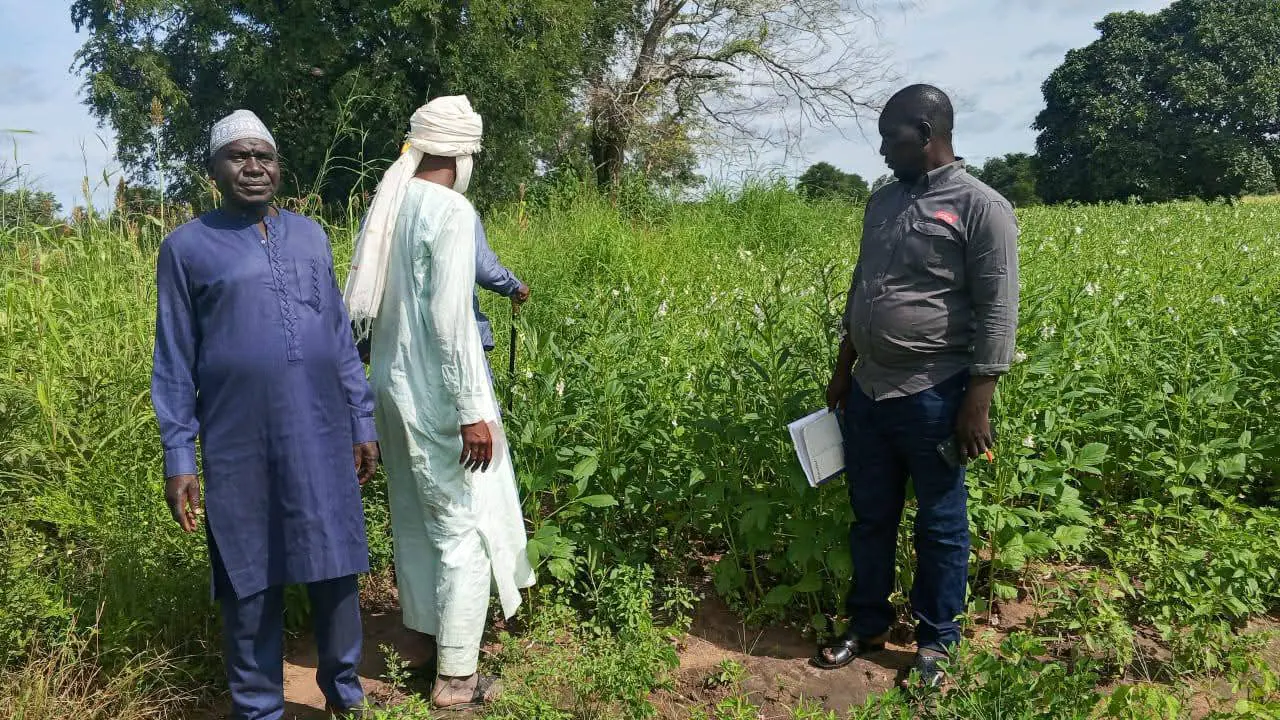
Prior to the meeting, participants visited several fields to witness the state of crops firsthand. They observed that water scarcity had caused plants to wither in certain areas. The situation appears particularly dire for specific crops, such as rice, with several plots severely affected. This development has raised concerns among farmers about potential consequences on households, including reduced food reserves and agricultural income.
Sub-prefect Doumhassem Gedéon urged residents to be cautious in managing their production and income. He advised against hasty cereal sales, emphasizing the importance of conserving reserves to address upcoming months. Gedéon also encouraged farmers to diversify their activities and explore alternative revenue sources, such as livestock and off-season crops, to ensure their households can cope with the challenges.
Local authorities and residents proposed several measures, including evaluating the situation in each village, monitoring available crops, and regularly reporting needs to the administration. They also requested closer technical support for producers and exploration of means to access water for developing off-season crops. These suggestions aim to mitigate the effects of the rainfall deficit on agricultural production.
The agricultural situation has also led to discussions about potential tensions between farmers and herders. With decreasing resources, local authorities are calling for dialogue and vigilance to prevent field damage and conflicts over resource access. The situation highlights the need for coordinated efforts to address the challenges facing farmers and herders in the region.
The rainfall deficit in Bohobé sub-prefecture has significant implications for food security and agricultural livelihoods. The meeting organized by Sub-prefect Gedéon demonstrates the efforts of local authorities to address the challenges and find solutions. However, the situation remains concerning, and continued support and monitoring are necessary to mitigate the effects of the deficit.
Chad's agricultural sector is vulnerable to climate-related shocks, and the situation in Bohobé sub-prefecture underscores the need for sustainable agricultural practices and climate-resilient strategies. The government's initiatives, in collaboration with local stakeholders and development partners, are crucial in supporting farmers and promoting agricultural development in the region.
Key points
- Rainfall deficit affects agricultural production in Chad's Bohobé sub-prefecture.
- Local authorities call for dialogue and vigilance to prevent conflicts over resource access.
- Farmers urged to diversify activities and explore alternative revenue sources.