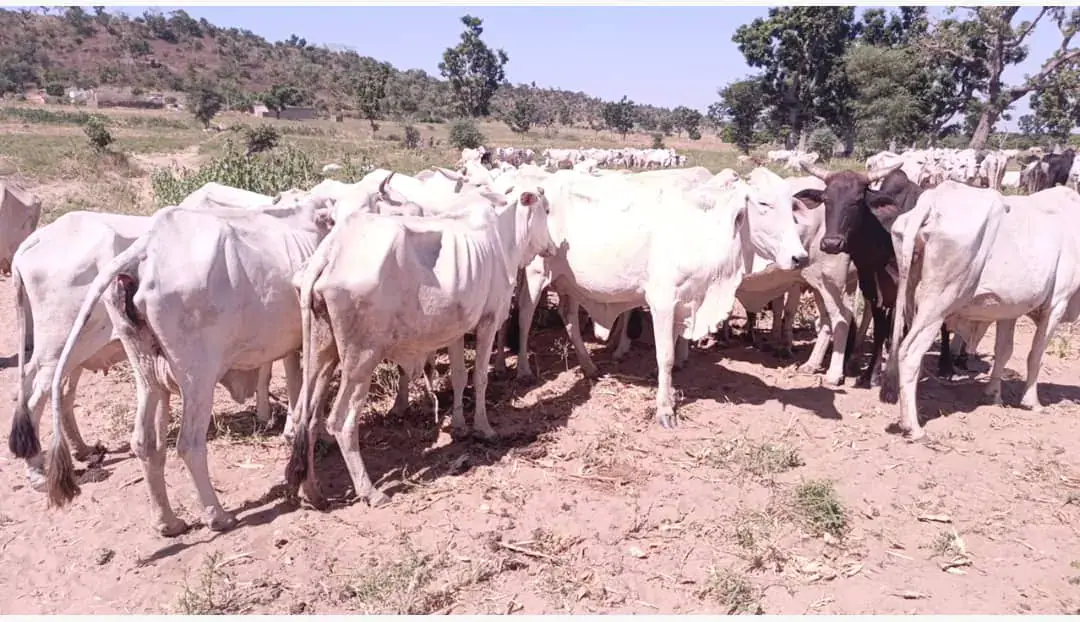
The Republic of Chad has announced plans to ban the export of live cattle, effective January 1, 2028. This decision is expected to have significant implications for Cameroon, which relies heavily on Chad for its beef supply. According to reports, Chad provides over 40% of Cameroon's beef cattle. The Chadian government aims to add value to its livestock industry by exporting processed meat instead of live animals.
The ban on live cattle exports is part of Chad's "Tchad Connexion 2030" strategy, which includes investing 400 billion FCFA in the livestock and meat industry. To achieve this goal, Chad plans to complete the construction of slaughterhouses, develop cold chains, and improve logistics and sanitary control infrastructure. This move is expected to increase the country's revenue from livestock exports, which reached 220 billion FCFA in 2024, up from 136.4 billion FCFA in 2020.
The impact of Chad's ban on live cattle exports will be felt in Cameroon, where the local production of beef has declined in recent years. In 2023, Cameroon imported 49,606 heads of cattle from Chad, according to the Ministry of Livestock. With the ban in place, Cameroon may face a shortage of beef, leading to higher prices in major cities like Yaoundé and Douala.
Cameroon's livestock industry stakeholders are calling on the government to take proactive measures to mitigate the effects of the ban. Some have suggested increasing national production, developing modern slaughterhouses, and diversifying supply sources. The government will need to act quickly to prevent a shortage of beef and stabilize prices.
Chad's decision to ban live cattle exports is driven by a desire to add value to its livestock industry. The country wants to move away from exporting live animals and focus on exporting processed meat. This strategy is expected to increase revenue and create jobs in the livestock sector.
The livestock industry is a significant contributor to Chad's economy, accounting for 8% of the country's exports. The sector has experienced significant growth in recent years, with exports increasing by over 61% between 2020 and 2024. Chad's ban on live cattle exports is expected to have far-reaching implications for the regional livestock industry.
The ban on live cattle exports from Chad to Cameroon may have significant implications for the entire Central African region. As Chad shifts its focus to exporting processed meat, the region may see a change in the dynamics of the livestock industry. Cameroon and other countries may need to adapt to new market conditions and find alternative sources of beef.
Key points
- Chad's ban on live cattle exports may lead to a shortage of beef in Cameroon and drive up prices.
- The ban is part of Chad's strategy to add value to its livestock industry and increase revenue.
- The decision may have far-reaching implications for the regional livestock industry, leading to changes in market dynamics.