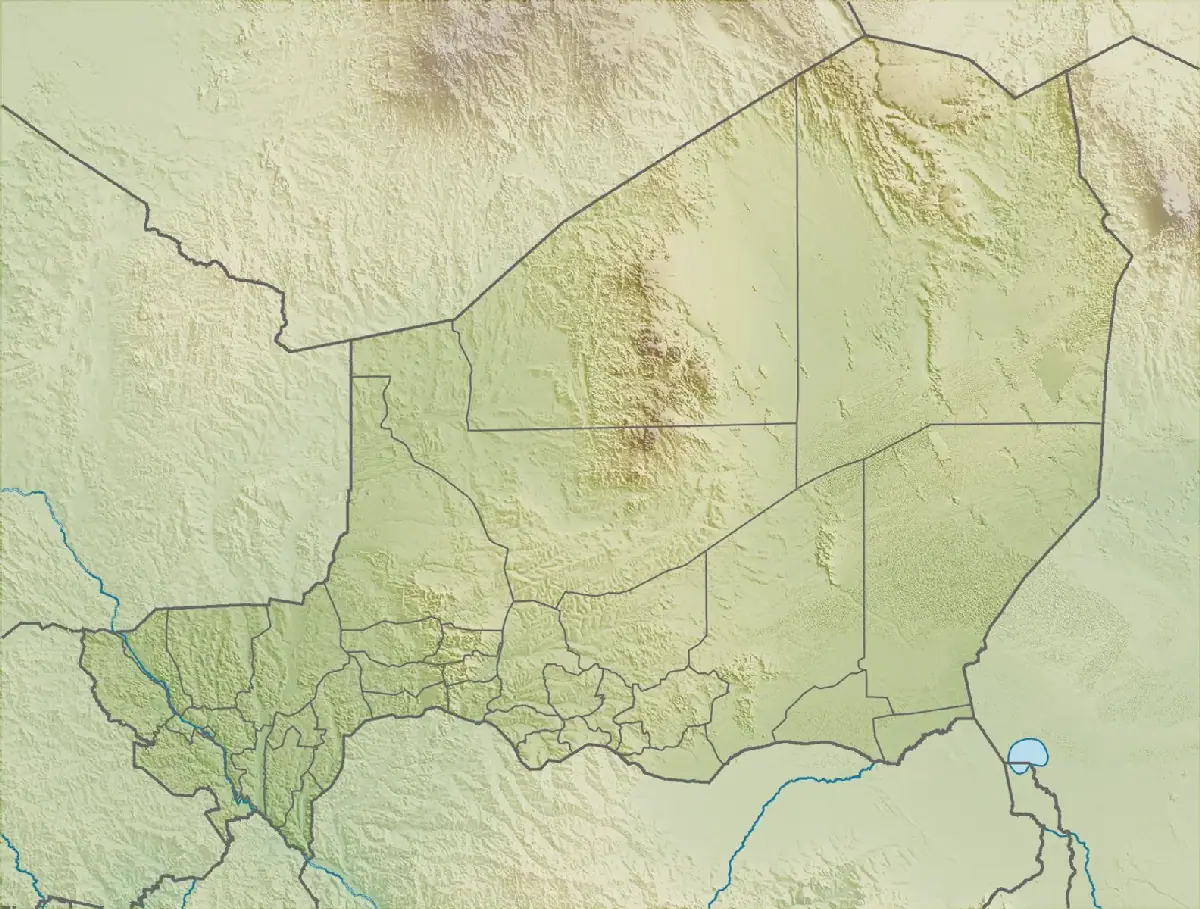
A diplomatic crisis has erupted between Chad and Niger over the deportation of the Mahamid tribe from eastern Niger. Chad's government has formally protested the decision, citing international law. According to Chad's government spokesperson and communications minister, Qasim Sharif Mohammed, Niger has no right to deport an entire tribe, even if its origins are Chadian. He based his argument on Article 12 of the African Charter on Human and Peoples' Rights, which prohibits mass deportation.
The dispute began when Niger's authorities ordered the Mahamid tribe to leave the eastern region of Zinder by December 31. Chad's government has rejected Niger's security concerns, arguing that individual mistakes should not be punished collectively. The Chadian government has called for individual case reviews and urged international partners to support it in receiving the deportees. According to Niamey, nearly 800 people have been deported so far, while Chadian authorities put the number at over 1,000.
The Mahamid tribe has been living in eastern Niger for decades, with some members arriving from Chad in 1989. Niger's authorities claim the tribe has been involved in various crimes, including forgery, possession of unlicensed arms, and supporting armed groups in Lake Chad. However, the tribe denies these allegations and asserts its Nigerien nationality. The situation has sparked concerns about creating stateless individuals.
Chad's government has expressed concern about the humanitarian implications of the deportation. The country has already received over 200 families in a site in the Lake region. The Chadian government has urged Niger to reconsider its decision and engage in dialogue to resolve the issue. The diplomatic spat has raised tensions between the two countries, which share a long border.
Niger's decision to deport the Mahamid tribe has been justified as a response to security concerns. The country's authorities have accused the tribe of involvement in various crimes and disputes over grazing land and water points. However, the tribe's denial of these allegations has added complexity to the situation. The international community has been urged to support Chad in addressing the humanitarian consequences of the deportation.
The crisis is set to be discussed in Niger's Advisory Council for Reconstitution, which will convene on December 1. The council will examine the deportation issue and its implications for the country and the region. Chad's government has reiterated its call for a peaceful resolution to the crisis, stressing the need for dialogue and cooperation between the two countries.
The situation remains tense, with the deportation deadline of December 31 looming. Chad's government has warned of the risks of creating stateless individuals and the humanitarian consequences of the deportation. The international community is being urged to support efforts to resolve the crisis peacefully and ensure the rights of the affected populations are protected.
Key points
- Chad's government has formally protested Niger's decision to deport the Mahamid tribe, citing international law and the risk of creating stateless individuals.